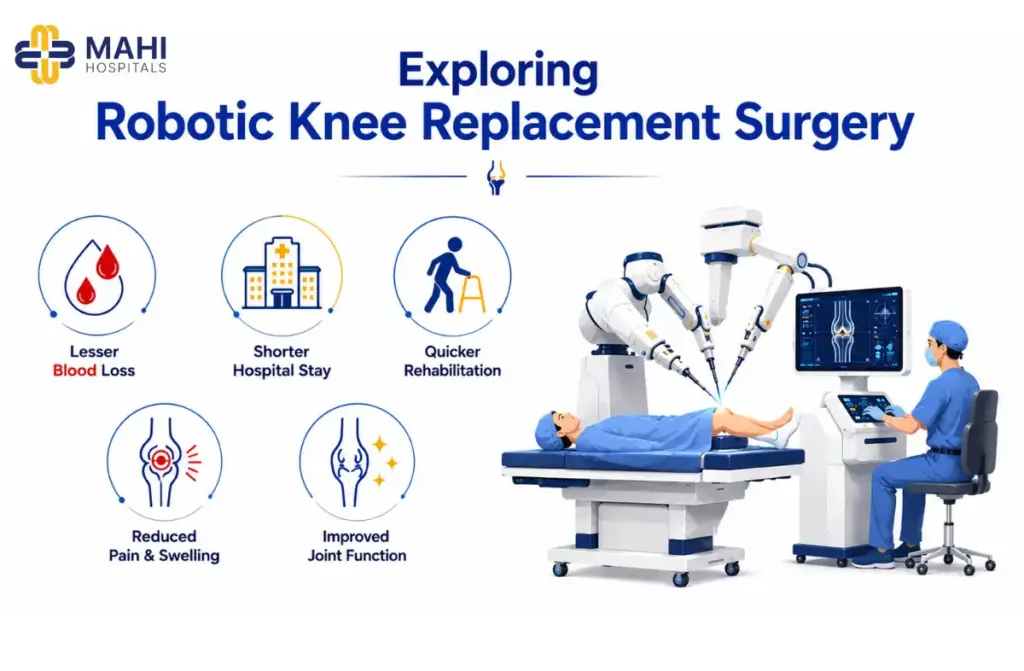

Knee pain can significantly affect your quality of life, making everyday activities such as walking, climbing stairs, standing for long periods, and even sleeping uncomfortable. For patients suffering from advanced knee arthritis or severe joint damage, robotic knee replacement surgery has emerged as one of the most advanced and effective treatment options available today. By combining the expertise of an experienced orthopedic surgeon with cutting-edge robotic technology, this procedure offers enhanced precision, improved implant positioning, and better long-term outcomes.
If you are searching for the best robotic knee surgeon in Chennai, choosing a specialist with extensive experience in robotic-assisted joint replacement is crucial. A skilled surgeon can accurately assess your condition, recommend the most suitable treatment plan, and ensure optimal surgical results.
What is Robotic Knee Replacement Surgery?
Robotic knee replacement surgery is an advanced form of joint replacement that combines surgical expertise with computer-assisted robotic technology. The robotic system assists the surgeon in planning and executing the procedure with exceptional precision while maintaining complete surgeon control throughout the operation.
How Robotic Technology Assists the Surgeon
The robotic system creates a detailed surgical roadmap based on the patient’s anatomy. This enables precise planning and real-time adjustments during surgery.

Components of a Robotic Knee Replacement System
Key components typically include:
- Advanced imaging technology
- Computer-assisted planning software
- Real-time navigation systems
- Robotic guidance platform
- Precision surgical instruments
How Robotic Surgery Improves Accuracy
Accurate implant positioning is one of the most important factors affecting long-term success after knee replacement. Robotic technology helps optimize alignment and implant placement, potentially improving function and implant longevity.
Understanding Knee Joint Problems
The knee is one of the largest and most important joints in the human body. It supports body weight, provides stability, and enables smooth movement. Over time, factors such as aging, arthritis, sports injuries, obesity, and repetitive stress can cause significant wear and tear of the knee joint.
Common symptoms of knee joint damage include:
- Persistent knee pain
- Swelling and stiffness
- Difficulty walking or climbing stairs
- Reduced range of motion
- Grinding or clicking sounds in the knee
- Joint instability
When conservative treatments such as medications, physiotherapy, lifestyle modifications, and injections fail to provide relief, knee replacement surgery may become the most effective solution.
When Knee Replacement Becomes Necessary
Knee replacement surgery is typically recommended when the knee joint is severely damaged and significantly impacts daily activities. Patients who experience chronic pain despite non-surgical treatments may benefit from joint replacement.
Signs that knee replacement may be necessary include:
- Severe arthritis visible on imaging studies
- Constant knee pain affecting mobility
- Difficulty performing routine activities
- Night pain that disrupts sleep
- Progressive knee deformity
- Limited improvement with physiotherapy and medications
Advancements in orthopedic technology have made knee replacement procedures more accurate and patient-friendly than ever before, particularly with the introduction of robotic-assisted surgery.
The Evolution of Robotic-Assisted Knee Surgery
Traditional knee replacement techniques have delivered excellent outcomes for decades. However, robotic-assisted knee replacement represents the next generation of joint replacement surgery.
Robotic technology enables surgeons to create a highly personalized surgical plan based on the patient’s unique anatomy. Advanced imaging and computer-assisted navigation allow precise implant positioning and alignment, reducing the margin for error.
Today, robotic-assisted procedures are widely recognized for offering:
- Greater surgical precision
- Improved implant placement
- Better knee alignment
- Reduced soft tissue trauma
- Faster functional recovery
- Enhanced patient satisfaction
These benefits have made robotic-assisted surgery a preferred option for many patients seeking long-term relief from knee pain.
Meet Dr. Vijay Kumar Sohanlal – Leading Robotic Knee Replacement Surgeon in Chennai
Dr. Vijay Kumar Sohanlal is a highly respected knee replacement surgeon in Chennai with over 18+ years of experience in orthopedic and joint replacement surgery. Known for his patient-centric approach and commitment to clinical excellence, he specializes in robotic-assisted knee replacement, navigation-guided procedures, and minimally invasive joint replacement techniques.
As a leading robotic knee specialist in Chennai, Dr. Vijay Kumar Sohanlal has helped numerous patients regain mobility and return to active lifestyles through advanced surgical solutions tailored to their individual needs.

Qualifications and Medical Training
Dr. Vijay Kumar Sohanlal has undergone extensive orthopedic training and continuously updates his knowledge through advanced courses, workshops, and professional development programs focused on joint replacement and robotic surgery technologies. His commitment to evidence-based orthopedic care ensures that patients receive treatment aligned with the latest international standards and best practices.
Years of Experience in Orthopaedic Surgery
With more than 18+ years of clinical experience, Dr. Vijay Kumar Sohanlal has successfully managed a wide range of orthopedic conditions, including complex knee arthritis, sports injuries, trauma cases, and joint deformities. His extensive surgical expertise enables him to accurately diagnose problems, develop personalized treatment plans, and deliver excellent outcomes for patients requiring knee replacement surgery.
Expertise in Robotic Knee Replacement Procedures
Dr. Vijay Kumar Sohanlal has developed specialized expertise in robotic-assisted knee replacement surgery, navigation-guided procedures, and minimally invasive surgical techniques. By utilizing advanced robotic systems, he achieves highly accurate implant positioning and improved joint alignment, contributing to better function and long-term implant performance. Patients seeking the best robotic knee surgery doctor in Chennai often choose Dr. Vijay Kumar Sohanlal because of his focus on precision, safety, and patient satisfaction.
Awards, Achievements, and Professional Memberships
Throughout his career, Dr. Vijay Kumar Sohanlal has earned recognition for his contributions to orthopedic care and joint replacement surgery. His involvement in professional orthopedic organizations and continuing medical education reflects his dedication to maintaining the highest standards of patient care.
Why Choose Dr. Vijay Kumar Sohanlal for Robotic Knee Replacement in Chennai?
Selecting the right surgeon is one of the most important decisions when considering knee replacement surgery.
- Extensive Experience in Joint Replacement Surgery: Experience plays a critical role in achieving successful surgical outcomes. Dr. Vijay Kumar Sohanlal’s extensive background in joint replacement procedures allows him to manage both straightforward and complex cases with confidence and precision.
- Personalized Treatment Approach: Dr. Vijay Kumar Sohanlal believes that effective orthopedic care begins with understanding the individual behind the condition. Rather than following a standardized treatment approach, he carefully evaluates each patient’s symptoms, medical history, activity level, lifestyle, and long-term goals before creating a personalized treatment plan. This comprehensive assessment ensures that every patient receives care tailored to their specific needs, helping achieve the best possible outcomes while supporting a faster and more comfortable recovery.
- Advanced Robotic Technology and Precision: Robotic-assisted technology provides real-time guidance throughout the surgical procedure. This advanced system helps achieve precise bone preparation and implant positioning, resulting in improved joint function and enhanced durability. As a top robotic knee surgeon in Chennai, Dr. Vijay Kumar Sohanlal leverages modern technology to maximize patient outcomes while minimizing surgical trauma.
- Comprehensive Pre- and Post-Operative Care: Successful knee replacement extends beyond the operating room. Comprehensive patient education, rehabilitation planning, physiotherapy guidance, and long-term follow-up care are essential components of recovery.
Patients receive continuous support throughout every stage of their treatment journey, ensuring a smooth and successful recovery experience.
Cost of Robotic Knee Replacement Surgery in Chennai
The cost of robotic knee replacement surgery in Chennai can vary depending on several factors, including the complexity of the case, hospital infrastructure, implant selection, surgeon expertise, and rehabilitation requirements.
Factors Affecting the Cost
Several elements influence the overall treatment cost:
- Type of implant used
- Surgical complexity
- Hospital stay duration
- Diagnostic investigations
- Post-operative rehabilitation
- Patient-specific medical requirements
Technology and Implant Considerations
Advanced robotic systems and premium implant options may contribute to higher treatment costs. However, many patients consider these technologies valuable because of the potential benefits in precision and recovery.
Insurance and Financial Planning
Most health insurance providers offer coverage for medically necessary knee replacement procedures, subject to policy terms and conditions. Patients are encouraged to discuss insurance eligibility and financial planning with their healthcare provider before surgery.
Conditions That May Require Robotic Knee Replacement
Robotic knee replacement surgery is often recommended for patients who experience severe knee pain, reduced mobility, and joint damage that does not improve with conservative treatments. While medications, physiotherapy, lifestyle modifications, and injections can help manage symptoms in the early stages, advanced joint deterioration may require surgical intervention.
- Osteoarthritis of the Knee: Osteoarthritis is the most common reason for knee replacement surgery. It occurs when the protective cartilage that cushions the knee joint gradually wears away, causing pain, stiffness, swelling, and reduced movement. Patients with advanced osteoarthritis often find it difficult to perform daily activities such as walking, climbing stairs, or standing for extended periods.
- Rheumatoid Arthritis: Rheumatoid arthritis is an autoimmune condition that causes chronic inflammation of the joints. Over time, this inflammation can damage the cartilage and bone within the knee joint, leading to severe pain and deformity. When medical management no longer provides adequate relief, robotic knee replacement may be considered.
- Post-Traumatic Arthritis: Previous fractures, ligament injuries, or significant knee trauma can result in post-traumatic arthritis. Even after successful injury treatment, abnormal joint wear can develop years later, causing pain and stiffness that may eventually require knee replacement surgery.
- Severe Knee Deformities and Joint Damage: Patients with severe bow-legged or knock-kneed deformities, advanced cartilage loss, or significant joint deterioration may benefit from robotic-assisted knee replacement. The technology allows surgeons to accurately correct alignment and restore joint function.
Benefits of Robotic Knee Replacement Surgery
Robotic-assisted knee replacement has transformed the field of orthopedic surgery by providing greater accuracy and personalized treatment planning. Many patients choose this advanced approach because of its potential benefits compared to conventional methods.
- Improved Surgical Precision: One of the biggest advantages of robotic-assisted surgery is enhanced precision. The robotic system assists the surgeon in planning and executing the procedure based on the patient’s unique anatomy. This allows for accurate bone preparation and implant positioning.
- Better Implant Alignment: Proper implant alignment is essential for the long-term success of knee replacement surgery. Robotic technology helps achieve optimal positioning, which may contribute to improved joint function and implant longevity.
- Reduced Damage to Surrounding Tissues: Robotic-assisted procedures allow surgeons to work with greater accuracy, helping preserve healthy tissues around the knee. This may reduce surgical trauma and improve post-operative comfort.
- Less Pain and Faster Recovery: Many patients experience reduced post-operative pain and improved mobility following robotic-assisted surgery. Early rehabilitation and faster return to daily activities are often possible with appropriate recovery programs.
- Enhanced Long-Term Implant Performance: Accurate implant placement and improved alignment may contribute to better wear characteristics and longer implant survival. This is particularly important for active patients seeking long-term knee function.
How Robotic Knee Replacement Surgery is Performed
Understanding the surgical process helps patients feel more confident and prepared for treatment.
- Initial Consultation and Evaluation: The journey begins with a comprehensive assessment by the orthopedic surgeon. This includes a detailed medical history, physical examination, imaging studies, and evaluation of the patient’s symptoms and functional limitations.
- Advanced Imaging and Surgical Planning: Before surgery, specialized imaging techniques may be used to create a detailed three-dimensional model of the knee joint. This information helps the surgeon develop a personalized surgical plan tailored to the patient’s anatomy.
- Robotic-Assisted Knee Replacement Procedure: During surgery, the robotic system provides real-time guidance while the surgeon performs the procedure. The surgeon remains in complete control throughout the operation, using the technology to enhance precision and accuracy. Damaged cartilage and bone are removed, and carefully selected implants are positioned according to the customized surgical plan. The robotic platform assists in achieving optimal alignment and balance within the knee joint.
- Recovery and Rehabilitation Process: Following surgery, patients begin a structured rehabilitation program designed to restore strength, flexibility, and mobility. Physiotherapy plays a vital role in helping patients regain function and achieve the best possible outcome.
Robotic Knee Replacement vs Traditional Knee Replacement
Both robotic and traditional knee replacement surgeries are effective treatments for advanced knee arthritis. However, robotic-assisted procedures offer several technological advantages.
- Accuracy and Implant Positioning: Traditional surgery relies primarily on manual instrumentation and surgeon experience. Robotic-assisted surgery incorporates advanced planning and real-time guidance, allowing for highly precise implant placement.
- Recovery Time Comparison: Many patients undergoing robotic-assisted surgery experience improved early mobility and functional recovery. However, recovery varies based on individual health factors and rehabilitation commitment.
- Surgical Outcomes and Patient Satisfaction: Studies suggest that accurate implant alignment and joint balancing may contribute to improved patient satisfaction and functional outcomes. Surgeon expertise remains a key factor regardless of the technique used.
- Long-Term Results: Both procedures can provide excellent long-term results. However, the enhanced precision of robotic-assisted surgery may help optimize implant performance and durability.
Recovery After Robotic Knee Replacement Surgery
Recovery is an important phase of the treatment journey and requires active participation from the patient.
What to Expect During Recovery
Most patients begin walking with assistance shortly after surgery. Initial swelling, discomfort, and stiffness gradually improve as healing progresses. Recovery timelines vary depending on age, overall health, and rehabilitation efforts.
Importance of Physiotherapy
Physiotherapy is essential for restoring knee strength, flexibility, and function. A structured rehabilitation program helps patients regain confidence and return to daily activities safely.
Tips for a Successful Recovery
- Follow your surgeon’s instructions carefully.
- Attend all physiotherapy sessions.
- Perform prescribed exercises regularly.
- Maintain a healthy diet to support healing.
- Avoid activities that place excessive stress on the knee.
- Keep follow-up appointments to monitor progress.
Success Rate of Robotic Knee Replacement Surgery
Robotic knee replacement surgery has demonstrated excellent outcomes when performed by experienced orthopedic specialists.
Factors Influencing Surgical Outcomes
Several factors contribute to successful results, including:
- Severity of joint damage
- Overall patient health
- Implant selection
- Rehabilitation compliance
- Surgical precision
Importance of Surgeon Expertise
Technology alone does not guarantee success. The experience and skill of the surgeon remain critical in achieving optimal outcomes. Choosing the best robotic knee surgeon in Chennai can significantly influence the quality of treatment and recovery.
Long-Term Benefits for Patients
Many patients experience significant pain relief, improved mobility, better quality of life, and enhanced participation in daily activities following successful knee replacement surgery.
Patient Testimonials and Success Stories
Thousands of patients have benefited from modern robotic-assisted knee replacement procedures. Many report substantial improvements in mobility, comfort, and independence after surgery.
- Real Experiences from Knee Replacement Patients: Patients often share positive experiences regarding reduced pain, smoother movement, and the ability to return to activities they previously avoided due to knee problems.
- Improved Mobility and Quality of Life: One of the most rewarding aspects of knee replacement surgery is helping patients regain confidence and freedom of movement. Whether it is walking without pain, climbing stairs comfortably, or enjoying recreational activities, successful treatment can significantly improve overall quality of life.
Conclusion
Robotic knee replacement surgery has revolutionized the treatment of advanced knee arthritis and joint damage by combining surgical expertise with cutting-edge technology. With improved precision, accurate implant placement, and personalized treatment planning, robotic-assisted procedures can help reduce pain, enhance mobility, and support long-term joint function. For individuals struggling with chronic knee pain that limits daily activities, this advanced surgical approach offers a reliable path toward improved quality of life and greater independence.