
Total Hip Replacement
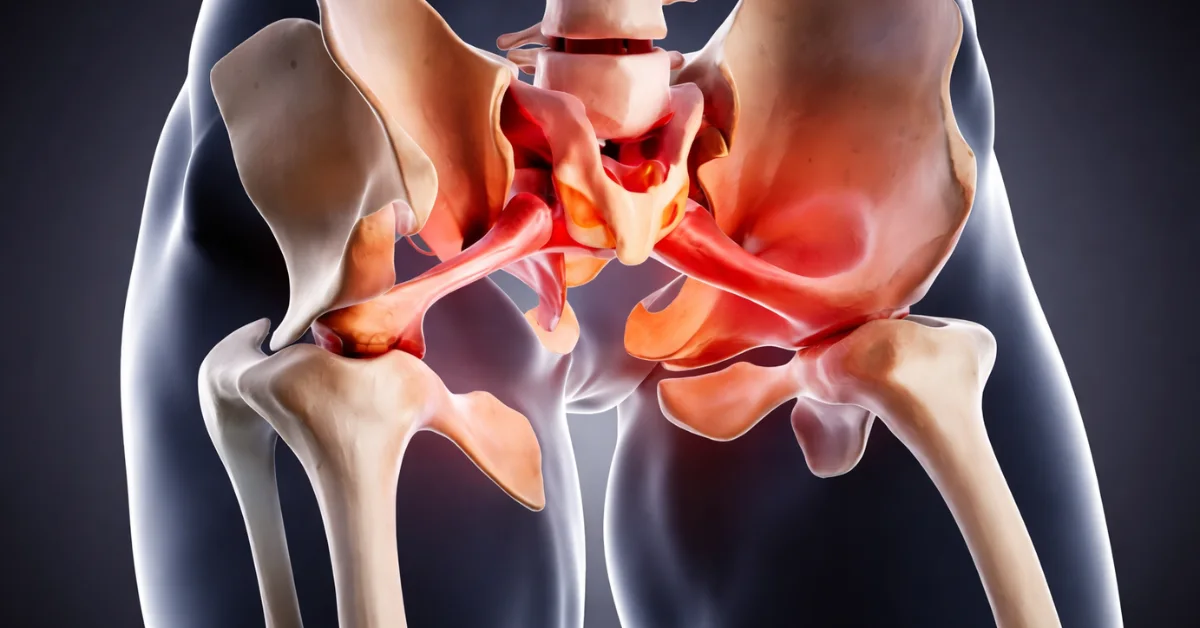
Persistent hip pain can make walking, climbing stairs, sitting and other everyday activities difficult. When the hip joint becomes damaged, movements may become painful and restricted. The cause may include osteoarthritis, inflammatory arthritis, avascular necrosis or certain hip injuries.
Total Hip Replacement Surgery in Chennai may be considered when significant hip joint damage continues to affect daily activities despite appropriate non-surgical treatment. The decision depends on the diagnosis, symptoms, imaging findings, general health and the individual’s treatment goals.
At MAHI Hospitals, patients can seek an orthopaedic assessment to understand the cause of their hip symptoms and discuss suitable treatment options. Hip replacement is not necessary for every person with hip pain, and the appropriate treatment should be determined after an individual clinical evaluation.
What is Total Hip Replacement?
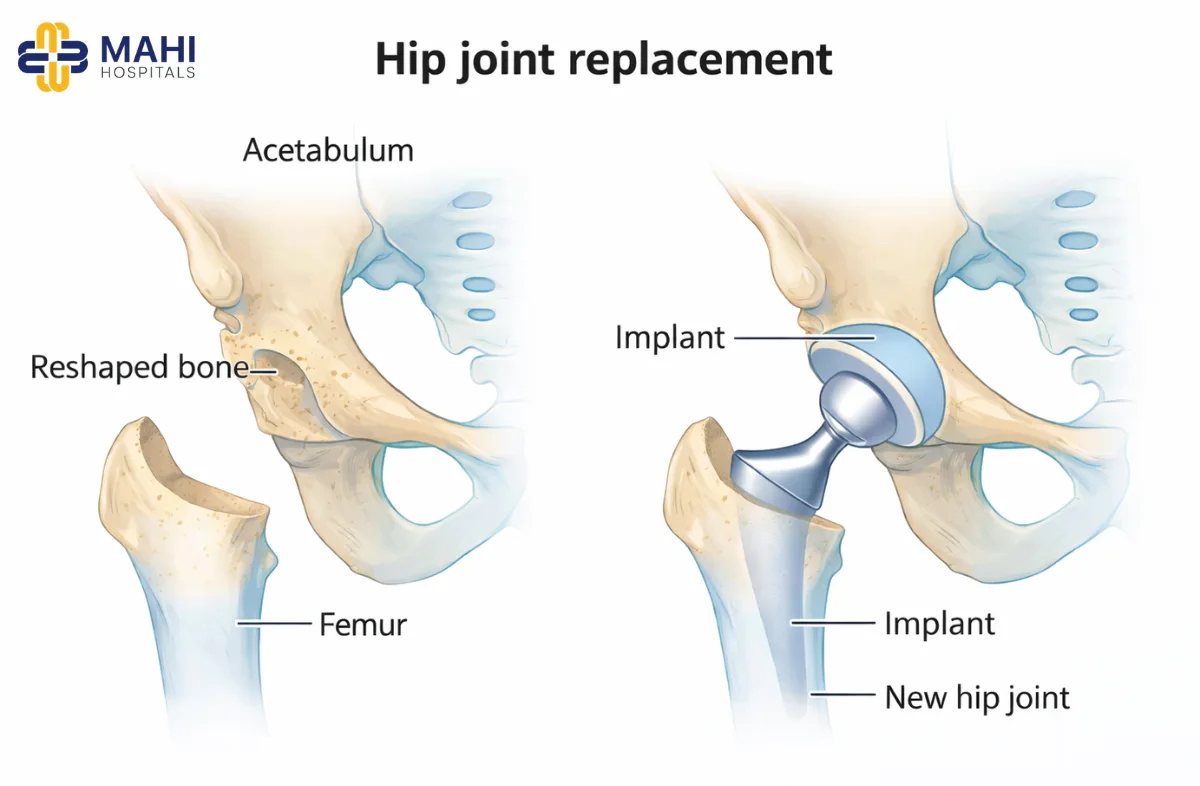
Total hip replacement, also called total hip arthroplasty, is a surgical procedure in which damaged parts of the hip joint are replaced with artificial components.
The hip is a ball-and-socket joint. The rounded head of the thigh bone (femur) fits into a socket in the pelvis. Damage to the cartilage and underlying bone can cause pain, stiffness and reduced movement.
During total hip replacement:
- The damaged femoral head is removed.
- An artificial socket component is placed in the pelvis.
- An artificial ball and stem are used to replace the damaged part of the femur.
- The components are selected and positioned according to the patient's anatomy, bone condition and surgical plan.
The aim is to reduce pain and improve joint function. The degree of improvement and the time needed to recover vary from person to person.
When May Total Hip Replacement Be Considered?
An orthopaedic surgeon may discuss total hip replacement when hip joint damage causes persistent symptoms and non-surgical treatment has not provided sufficient relief.
Possible reasons include:
- Osteoarthritis: Wear and damage to the joint cartilage.
- Inflammatory arthritis: Conditions that can cause inflammation and progressive joint damage.
- Avascular necrosis: Reduced blood supply to the femoral head, which may lead to bone damage.
- Certain hip fractures: Injuries for which joint replacement may be an appropriate treatment.
- Other forms of joint damage: Conditions that significantly affect hip function and are assessed individually.
Symptoms that may warrant an assessment include ongoing hip or groin pain, stiffness, difficulty walking, reduced movement, or discomfort that affects sleep and daily activities. These symptoms do not automatically mean surgery is required.
What Happens Before Surgery?
Before recommending surgery, the orthopaedic team reviews the patient's medical history, symptoms, physical function and previous treatments. Imaging, such as X-rays, may be used to assess the condition of the joint. Additional tests may be required depending on the patient's health.
The preoperative assessment may include:
- Reviewing existing medical conditions and medications.
- Assessing bone and joint health.
- Evaluating risks related to anaesthesia and surgery.
- Discussing implant options and the planned surgical approach.
- Explaining expected benefits, limitations, possible complications and alternatives.
- Planning rehabilitation and support needed at home.
Patients should tell their treating team about all medicines and supplements they take. Medication should not be stopped or changed without medical advice.
How is Total Hip Replacement Performed?
Total hip replacement is carried out under an appropriate form of anaesthesia. The surgical approach and implant selection depend on the patient's condition and the surgeon's assessment.
The procedure generally involves preparing the damaged joint surfaces, placing the artificial components and checking the stability and movement of the reconstructed joint. The incision is then closed, and the patient is monitored during the initial recovery period.
The duration of surgery and hospital stay can vary according to the complexity of the procedure, the patient's general health and the hospital's clinical protocol.
Benefits and Limitations of Hip Replacement
For appropriately selected patients, total hip replacement may help:
- Reduce pain associated with significant joint damage.
- Improve the ability to walk and perform daily activities.
- Increase hip movement and function.
- Support greater independence after rehabilitation.
However, results cannot be guaranteed. Some patients continue to experience pain or movement limitations, and the artificial joint may wear or require further treatment over time. A consultation should include a discussion of both potential benefits and limitations.
Risks and Possible Complications
Total hip replacement is a major operation. Potential risks include:
- Infection.
- Blood clots.
- Dislocation of the artificial joint.
- Differences in leg length.
- Fracture around an implant.
- Injury to nearby nerves or blood vessels.
- Implant wear, loosening or the need for revision surgery.
- Complications related to anaesthesia or existing medical conditions.
The likelihood of complications varies according to individual health factors and the procedure. Your treating team can explain the risks that are most relevant to you and how they may be reduced.
Recovery After Total Hip Replacement
Recovery is gradual and varies between patients. Some people begin standing or walking with assistance soon after surgery when the clinical team considers it appropriate. Physiotherapy and a personalised rehabilitation plan help patients practise safe movement and gradually improve strength and balance.
Recovery commonly involves:
- Early recovery: Pain management, wound care and supervised movement.
- Initial rehabilitation: Walking with a suitable aid and practising recommended exercises.
- Progressive activity: Gradually increasing movement and daily activities according to clinical advice.
- Follow-up appointments: Monitoring healing, joint function and any concerns.
The time needed to resume work, driving, exercise or other activities depends on recovery progress and the type of activity. Follow the instructions provided by your surgeon and physiotherapist rather than relying on a fixed timeline.
Seek urgent medical assessment if you develop sudden shortness of breath, chest pain, or significant calf swelling or pain after surgery. Contact your healthcare team promptly for fever, increasing wound redness, drainage or worsening pain.
Factors That Affect the Cost of Total Hip Replacement Surgery in Chennai
The cost of surgery can differ between patients and hospitals. Factors may include:
- The type and brand of implant used.
- The complexity of the procedure.
- Preoperative investigations and medical assessments.
- Anaesthesia, hospital stay and medicines.
- Physiotherapy and follow-up care.
- Treatment of any additional medical needs or complications.
Ask the hospital for an itemised estimate that explains what is included and whether any additional charges may apply. Insurance coverage depends on the individual policy and its terms.
Orthopaedic Consultation at MAHI Hospitals
People experiencing persistent hip pain or restricted movement can seek an orthopaedic assessment at MAHI Hospitals, located at No. 118, Poonamallee High Road, Vepery, Chennai – 600084.
An assessment can help clarify the cause of symptoms, whether non-surgical treatments remain suitable, and whether total hip replacement should be considered. Patients should have an opportunity to discuss the potential benefits, risks, alternatives and rehabilitation requirements before making a treatment decision.
Frequently Asked Questions
Total hip replacement is a surgical procedure in which damaged parts of the hip joint are replaced with artificial components. It may be considered when joint damage causes persistent pain and difficulty with everyday activities.
People with advanced hip arthritis, avascular necrosis, certain hip fractures or other significant joint damage may be considered for surgery. The decision depends on symptoms, examination findings, imaging and response to other treatments.
Recovery varies according to general health, the procedure and rehabilitation progress. Some patients resume basic activities within weeks, while strength, mobility and overall function may continue improving over several months.
Hip replacement is a commonly performed operation, but it carries risks, including infection, blood clots, dislocation and implant-related complications. The treating team can explain individual risks and precautions before surgery.
Depending on the cause and severity of joint damage, treatment may include physiotherapy, activity modification, walking aids or medicines recommended by a clinician. These options may not be sufficient for every patient with advanced joint damage.
Implant lifespan varies with factors such as implant design, activity, health and wear over time. Some implants function for many years, but no specific lifespan can be guaranteed. Follow-up care helps monitor joint function.
The cost may depend on the implant, surgical complexity, investigations, anaesthesia, hospital stay and rehabilitation. Patients should request an itemised estimate from the hospital and check their insurance policy for coverage details.
Latest Health Vlog Updates
Watch expert healthcare videos, medical insights, and wellness tips to stay informed and healthy.
Can I sit cross legged after knee replacement? Mahi Hospitals Chennai. Dr Vijay Sohanlal
Joint Replacement-ku அப்புறம் Implant எவ்வளவு நாள் Life இருக்கும் ? #jointreplacement
What Your Feet Reveal About Your Health! | Dr. Vijay Kumar Sohanlal
Mahi Hospitals Blasters are the Champions of Apna Club cricket premier league (ACCPL) 2026
மூட்டு மாற்று அறுவை சிகிச்சைக்கு பயமா? உண்மையை தெரிந்து கொள்ளுங்கள்! | Dr. Vijay Sohanlal
Smart hip replacement, Bipolar Hemiarthroplasty, Partial hip replacement, Dr Vijay kumar sohanlal
Fracture neck of femur and different surgeries | Total hip replacement | Bipolar hemiarthroplasty,
Fracture neck of femur and its treatment | Total hip replacement | Bipolar Hemiarthroplasty
Arthritis of Knee joint | Osteoarthritis | Mahi clinic | Dr Vijay Sohanlal | Total knee replacement
Arthritis of knee joint | Knee arthritis | Stages of knee arthritis | Total knee arthroplasty |
Knee strengthening exercise | knee pain | Dr Vijay sohanlal | Bilateral total knee replacement
Meniscal ligament tear and treatment | knee pain | knee arthroscopy | Meniscus | Dr Vijay sohanlal
Bilateral total Knee Replacement | Dr Vijay Kumar Sohanlal | TKR | Mahi clinic Chennai | mgm
Benefits of Platelet Rich Plasma (PRP) Injections! | Dr. Vijay Kumar Sohanlal
Waking up with Neck Pain? | Dr. Vijay Kumar Sohanlal
Steroids and Hip Pain! | Dr. Vijay Kumar Sohanlal
Need Help With Our Services?
Fill out the form and our patient care coordinators will get back to you within 24 hours to assist with appointments, queries, or any guidance you need.