

Medically Reviewed by Dr. Vijay Kumar Sohanlal, MBBS, MS (Orthopaedics), Orthopaedic & Joint Replacement Surgeon, Founder & Owner of MAHI Multispeciality Hospitals, Kilpauk, Chennai
Last medically reviewed: October 2026
Joint pain, stiffness, and reduced mobility can develop when the cartilage and other structures within a joint become damaged. These symptoms may affect walking, climbing stairs, standing for long periods, or carrying out routine activities. When symptoms persist, an orthopaedic assessment can help identify the cause and determine suitable treatment options.
A joint replacement specialist in Chennai evaluates conditions that may require partial or total replacement of a damaged joint. The decision to consider surgery depends on the patient’s symptoms, clinical examination, imaging findings, general health, and response to previous treatment.
At MAHI Hospitals, Chennai, joint replacement consultations involve assessing joint problems and discussing the available management options. Surgery is considered only when the clinical findings and the patient’s circumstances support it.
What is Joint Replacement Surgery?
Joint replacement surgery is a procedure in which damaged joint surfaces are replaced with artificial components called implants. It is generally considered for selected patients with substantial joint damage and persistent symptoms.
The procedure may involve the knee or hip, depending on the condition. In some cases, only part of a joint is replaced; in others, the entire joint surface is replaced. The appropriate procedure depends on the extent and location of the damage.
Joint replacement may be considered when non-surgical treatments have not provided sufficient relief. It is not necessary for every person with arthritis or joint pain, and the potential benefits and risks should be discussed before making a decision.
About Dr. Vijay Kumar Sohanlal
Dr. Vijay Kumar Sohanlal is an orthopaedic surgeon associated with MAHI Hospitals in Chennai. The hospital’s published profile lists qualifications including MBBS and MS in Orthopaedics, along with additional training in joint replacement and arthroscopy.
His listed clinical areas include knee and hip joint replacement, revision procedures, and robotic-assisted or computer-navigated joint replacement.
Patients considering joint replacement can discuss their symptoms, previous treatment, investigation reports, and concerns about mobility during an orthopaedic consultation. The treating surgeon can explain the diagnosis, available options, and factors that may influence the treatment decision.
Conditions That May Require Joint Replacement Evaluation
Osteoarthritis
Osteoarthritis involves changes in the joint cartilage and surrounding structures. It commonly affects the knees and hips and may cause pain, stiffness, and restricted movement.
Treatment depends on symptom severity and the effect on daily activities. Medication, physiotherapy, activity modification, and other non-surgical approaches may be considered. Joint replacement may be discussed when substantial joint damage continues to cause symptoms despite appropriate treatment.
Rheumatoid Arthritis
Rheumatoid arthritis is an inflammatory condition that can affect the lining of joints and cause pain, swelling, and stiffness. Medical treatment is important for managing inflammation and limiting joint damage.
If a joint becomes severely damaged, an orthopaedic evaluation may help determine whether surgery could be appropriate alongside ongoing medical care.
Post-Traumatic Arthritis
Joint damage following a fracture or significant injury may contribute to arthritis over time. Symptoms can include persistent pain, stiffness, and difficulty using the affected joint.
Treatment depends on the previous injury, the current condition of the joint, and the degree of functional limitation. Joint replacement may be considered in selected cases.
Avascular Necrosis
Avascular necrosis occurs when reduced blood supply causes bone tissue to deteriorate. It can affect the hip and, less commonly, other joints.
Treatment depends on the location and stage of the condition. Early disease may be managed differently from advanced joint damage, for which joint replacement may be considered.
Problems With a Previous Joint Implant
A previous joint replacement may require further evaluation if symptoms develop or if an implant becomes loose, worn, infected, or otherwise problematic.
Revision joint replacement involves assessing the existing implant, bone condition, and surrounding tissues. Additional investigations may be required before a treatment decision is made.
When Should You Consult a Joint Replacement Specialist?
An orthopaedic assessment may be appropriate if you experience:
- Persistent knee or hip pain that affects routine activities.
- Joint stiffness that restricts movement.
- Difficulty walking or standing for extended periods.
- Recurrent swelling or discomfort around a joint.
- Symptoms that continue despite appropriate non-surgical treatment.
- Increasing difficulty carrying out everyday tasks because of joint problems.
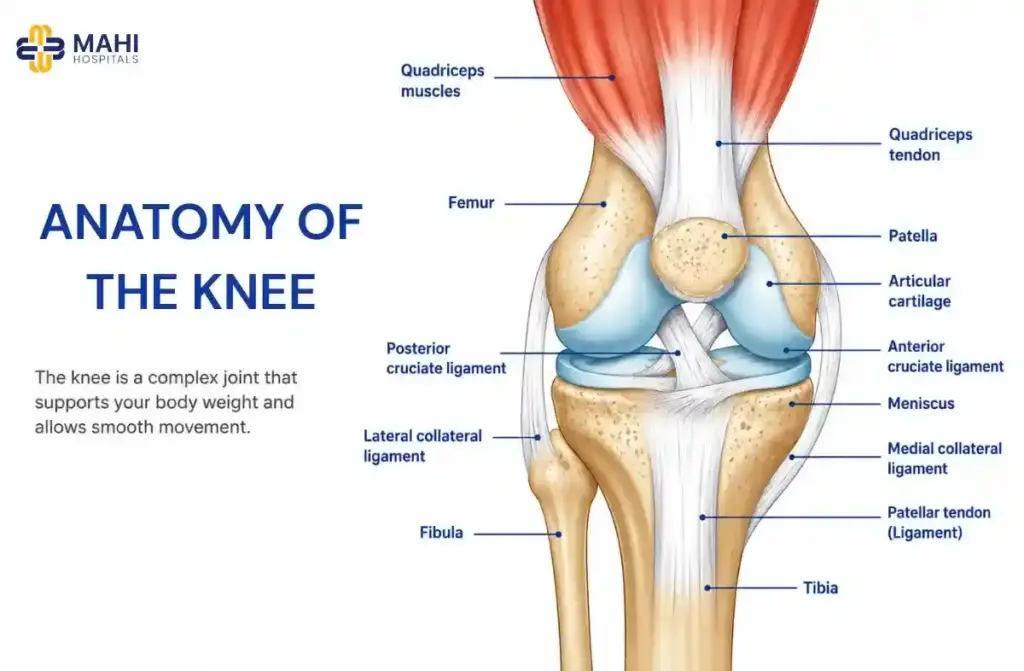
These symptoms do not automatically mean that joint replacement is required. Their cause and severity need to be assessed before treatment options can be determined.
A suddenly hot, red, swollen joint accompanied by fever requires urgent medical evaluation. Sudden severe pain or an inability to bear weight following an injury also warrants prompt assessment.
How is Joint Replacement Surgery Evaluated?
The assessment process helps determine the cause of symptoms and whether surgery is a suitable option.
1. Medical History
The doctor reviews the duration of symptoms, previous injuries, existing medical conditions, medications, and treatments already tried. The effect of joint pain on walking, sleep, work, and daily activities is also considered.
2. Physical Examination
The examination may assess joint movement, tenderness, swelling, stability, alignment, and muscle function. The findings help guide further investigations and treatment planning.
3. Diagnostic Investigations
X-rays are commonly used to assess joint structure and changes associated with arthritis. MRI scans, blood tests, or other investigations may be recommended when clinically necessary.
Not every patient requires the same tests. The choice depends on the suspected condition and the findings of the initial assessment.
4. Discussion of Treatment Options
The surgeon explains the diagnosis and discusses appropriate management options. These may include non-surgical treatment, partial joint replacement, total joint replacement, or another procedure, depending on the condition.
The discussion should cover expected benefits, limitations, potential complications, and alternatives.
Types of Joint Replacement Surgery
Total Knee Replacement
Total knee replacement involves replacing the damaged joint surfaces with artificial components. It may be considered for selected patients with significant knee joint damage and persistent symptoms.
The decision depends on the clinical assessment, imaging findings, functional limitations, and response to other treatments.
Partial Knee Replacement
Partial knee replacement involves replacing the affected portion of the knee rather than the entire joint. It may be appropriate when damage is limited to a specific compartment and other structures are suitable.
Not all patients with knee arthritis qualify for this procedure. Suitability depends on the distribution of joint damage, ligament function, alignment, and other clinical factors.
Total Hip Replacement
Total hip replacement involves replacing the damaged parts of the hip joint with artificial components. It may be considered for selected conditions, including advanced osteoarthritis, certain cases of avascular necrosis, and some other causes of substantial hip damage.
The surgeon evaluates the joint condition, overall health, mobility, and potential risks before recommending surgery.
Revision Joint Replacement
Revision surgery may be required when a previous implant develops a problem that needs surgical management. The procedure can be more complex than an initial replacement because it may involve bone loss, scar tissue, or changes to the surrounding structures.
The appropriate approach depends on the cause of the implant problem and the findings of the clinical assessment.
What is Robotic-Assisted Joint Replacement?
Robotic-assisted joint replacement uses computer-based planning and specialised equipment to assist the surgeon during selected procedures. Depending on the system and surgical plan, the technology may help with planning and guiding the placement of joint implants.
The surgeon remains responsible for clinical decisions and performing the procedure. Robotic assistance does not eliminate surgical risks or guarantee a particular result.
Whether this approach is appropriate depends on the patient’s condition, the procedure being considered, the available technology, and the surgeon’s assessment. Patients should discuss its potential benefits and limitations alongside other suitable surgical approaches.
What Are the Risks of Joint Replacement Surgery?
Joint replacement is a major surgical procedure and carries potential risks. These may include infection, blood clots, bleeding, stiffness, nerve or blood vessel injury, implant loosening, dislocation in hip replacement, and the possible need for further surgery.
The likelihood of complications varies according to the procedure, the patient’s health, and other individual factors. Preoperative assessment helps identify relevant risks and determine appropriate precautions.
Patients should discuss their medical history, medications, allergies, and concerns with the treating team before surgery.
Recovery and Rehabilitation After Joint Replacement
Recovery varies depending on the joint replaced, the surgical procedure, the patient’s general health, and progress during rehabilitation.
Following surgery, the care plan may include:
- Pain management and wound monitoring.
- Supervised movement and walking assistance.
- Exercises to support mobility, strength, and balance.
- Guidance on weight-bearing and daily activities.
- Follow-up appointments to assess recovery and the surgical site.
Some patients begin supervised movement soon after surgery, while others may require additional support or restrictions. Hospital stay and return to routine activities vary from person to person.
Physiotherapy and following the treating team’s instructions are important parts of recovery. The timing of driving, work, exercise, and other activities should be determined individually.
Factors That Influence Joint Replacement Costs
The cost of joint replacement varies according to the procedure and the patient’s medical requirements. Factors may include:
- Whether a partial or total joint replacement is performed.
- The type of implant selected.
- Preoperative investigations and medical assessments.
- Anaesthesia, hospital stay, and other clinical services.
- Rehabilitation and follow-up requirements.
- Management of existing medical conditions or complications.
Patients can request a procedure-specific estimate and an explanation of what the quoted amount includes. Insurance coverage, exclusions, and cashless approval requirements should be confirmed directly with the insurer and hospital.