Medicine for Knee Pain in Old Age

Explore the best medicines for knee pain in old age to reduce inflammation, ease joint stiffness, and improve mobility effectively.
Medicine for Knee Pain in Old Age
Contents

“Not every knee pain needs the strongest medicine. The best treatment is the one that addresses the cause behind the pain.”

Introduction

It often starts with something small—a slight discomfort while climbing stairs, stiffness after sitting for a while, or an aching knee at the end of the day. Over time, these minor inconveniences can grow into persistent pain that affects mobility, independence, and overall quality of life. For millions of older adults, knee pain is not just a physical symptom; it becomes a daily challenge that influences how they walk, exercise, socialize, and perform routine activities.

As life expectancy increases, age-related knee problems have become one of the most common reasons seniors seek medical care. The natural wear and tear of joints, weakening muscles, past injuries, inflammation, and conditions such as osteoarthritis all contribute to discomfort that can range from mild stiffness to severe pain. Understandably, many people search for the best medicine for knee pain in old age hoping to find a treatment that offers quick and lasting relief.

However, the reality is more complex than choosing a single pill or painkiller. The most effective treatment depends on the cause of the pain, the individual’s overall health, existing medical conditions, and the severity of symptoms. What works well for one person may not be the safest or most effective option for another.

This guide explores the best medicines for knee pain in older adults, how different treatments work, their benefits and risks, and the lifestyle strategies that often provide the greatest long-term relief. By understanding the science behind knee pain and the available treatment options, seniors and caregivers can make informed decisions that support healthier, more active aging.

Understanding Why Knee Pain Becomes Common in Old Age

The knees are among the hardest-working joints in the human body. From the moment we learn to walk, our knees absorb enormous amounts of stress every day. Whether climbing stairs, carrying groceries, standing in line, exercising, or simply walking around the house, the knees support much of the body’s weight.

Over time, this constant workload begins to take its toll. Unlike a machine that can have worn parts replaced easily, the body’s joints gradually experience natural aging processes that affect their ability to function smoothly.

Best Medicine for Knee Pain in Old Age

How Aging Changes the Knee Joint

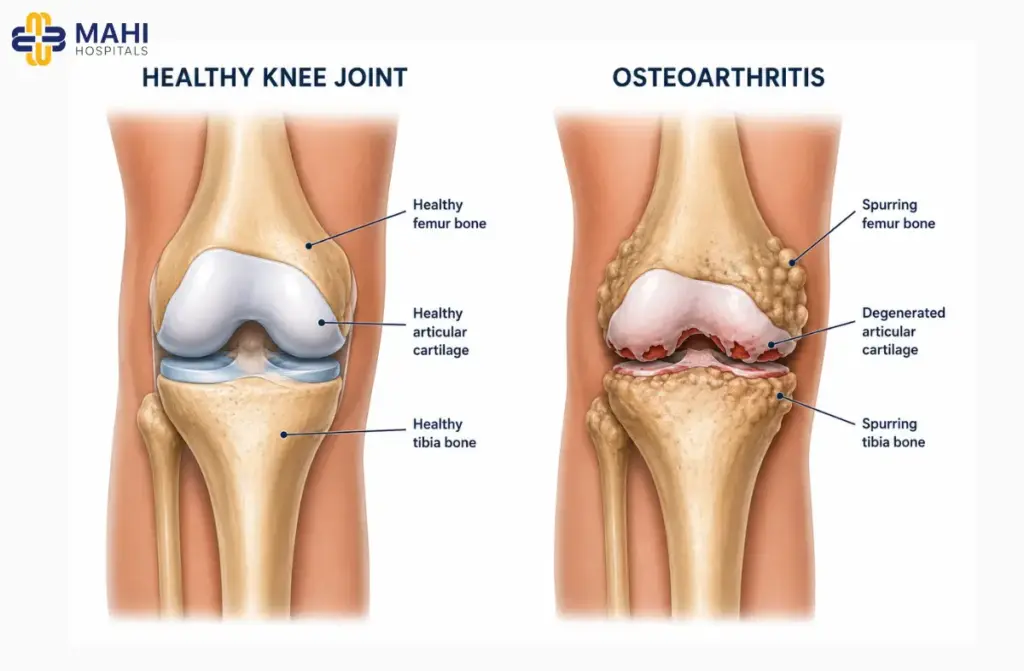
Healthy knees contain cartilage, a smooth and rubbery tissue that covers the ends of bones. Cartilage acts like a cushion and shock absorber. It allows bones to glide smoothly against one another during movement.

As people age:

  • Cartilage gradually becomes thinner.
  • Joint fluid decreases.
  • Ligaments lose flexibility.
  • Tendons become less elastic.
  • Muscles supporting the knee weaken.
  • Recovery from injury becomes slower.

When cartilage wears down significantly, bones begin rubbing against one another. This friction causes pain, inflammation, stiffness, and reduced mobility.

Common Causes of Knee Pain in Older Adults

Not all knee pain has the same cause.

Understanding the underlying reason is essential because the best medicine for one condition may not work for another.

Osteoarthritis

Osteoarthritis is by far the most common cause of knee pain in seniors.
Often called “wear-and-tear arthritis,” it develops when cartilage gradually breaks down over time.

Common symptoms include:

  • Pain during movement
  • Morning stiffness
  • Grinding sensations
  • Reduced flexibility
  • Swelling after activity

Many older adults with osteoarthritis notice that symptoms worsen gradually over several years.

Rheumatoid Arthritis

Unlike osteoarthritis, rheumatoid arthritis is an autoimmune disease.

The immune system mistakenly attacks healthy joint tissues, leading to inflammation and damage.

Symptoms often include:

  • Joint swelling
  • Warmth around the knee
  • Morning stiffness lasting longer than one hour
  • Fatigue
  • Pain in multiple joints

Because rheumatoid arthritis involves ongoing inflammation, treatment usually differs significantly from osteoarthritis management.

Degenerative Meniscus Tears

The meniscus is a piece of cartilage that helps cushion the knee.In younger people, meniscus tears often occur due to sports injuries. In older adults, the tissue naturally becomes weaker and may tear during routine activities.

Even simple movements such as standing up or turning suddenly can sometimes cause a degenerative tear.

Joint Inflammation

Inflammation itself is a major contributor to pain.

Various conditions can trigger inflammation, including:

  • Arthritis
  • Overuse injuries
  • Previous trauma
  • Crystal-related conditions such as gout
  • Certain infections

Inflamed joints often feel swollen, warm, and stiff.

Weak Supporting Muscles

Many people focus solely on the knee joint itself, but surrounding muscles play a crucial role in knee health. Weak thigh and hip muscles increase pressure on the knee. As muscles weaken with age, joint stress often increases, contributing to pain and reduced mobility.

Early Warning Signs of Age-Related Knee Degeneration

Many seniors wait until pain becomes severe before seeking help.Recognizing early warning signs may allow treatment to begin before significant damage occurs.

Watch for symptoms such as:

  • Pain when climbing stairs
  • Stiffness after sitting
  • Difficulty standing up
  • Reduced walking distance
  • Occasional swelling
  • Cracking or grinding sounds
  • Knee weakness
  • Pain that worsens after activity

Addressing these symptoms early often leads to better long-term outcomes.

Best Medicines for Knee Pain in Old Age Ranked

RankMedicine / TreatmentBest For
1Topical Diclofenac GelMild to Moderate Osteoarthritis (OA)
2ParacetamolMild Pain Relief
3NSAIDsModerate to Severe Inflammation
4Steroid InjectionsSevere Arthritis Symptoms
5Glucosamine & ChondroitinLong-Term Joint Support

Medicines Seniors Should Never Take Without Medical Advice

  • Long-term high-dose NSAIDs
  • Multiple painkillers together
  • Unregulated herbal supplements
  • Steroids without supervision

Quick Statistics Every Senior Should Know

Understanding how common knee problems are can help older adults recognize that they are not alone.

Consider these important facts:

  • Nearly one in three adults over age 65 experiences chronic knee pain.
  • Osteoarthritis is among the leading causes of disability in older adults worldwide.
  • Excess body weight significantly increases stress on knee joints.
  • Many people delay treatment for years, allowing symptoms to worsen unnecessarily.
  • Early intervention often reduces the likelihood of needing advanced procedures later.

The Real Question: What is the Medicine for Knee Pain in Old Age?

When older adults search online for the best medicine, they are usually hoping for a simple answer.

    Doctors, however, approach the question differently.

    Rather than asking, “What is the strongest medicine?” 

    physicians ask: “What is causing the pain?”

    The answer determines the most appropriate treatment.

    • A person with mild osteoarthritis may benefit from simple pain relief and exercise.
    • Someone with severe inflammation may require anti-inflammatory medications.
    • A patient with advanced joint damage may need injections or surgical evaluation.

    This is why two seniors with seemingly similar symptoms may receive very different treatment plans.

    Factors Doctors Consider Before Recommending Medicine

    Age: The body’s ability to process medications changes over time. Older adults may be more sensitive to certain drugs and side effects.

    • Medical History: Existing health conditions often influence medication choices.
    • Kidney Function: Some pain medications can place extra strain on the kidneys.
    • Liver Health: Because many drugs are processed through the liver, liver function must be considered carefully.
    • Blood Pressure: Certain medications may increase blood pressure or interfere with cardiovascular health.
    • Diabetes: Treatment plans often require modification for diabetic patients.
    • Current Medications: Doctors must consider possible interactions with medications already being taken.
    • Severity of Pain: The intensity and frequency of symptoms influence treatment recommendations.
    • The Goal is Balance: The best medicine is not necessarily the strongest one.

    For older adults, treatment must balance:

    • Pain relief
    • Mobility improvement
    • Safety
    • Long-term health
    • Quality of life

      An effective treatment plan should help seniors remain active and independent while minimizing the risk of side effects.

      Doctors often match treatment intensity to symptom severity.

      Pain SeverityCommon First ChoiceAdditional Treatment
      MildParacetamol, Topical GelExercise, Weight Management
      ModerateNSAIDs, Physical TherapySupplements, Heat Therapy
      SeverePrescription MedicationJoint Injections
      Very SevereCombination TreatmentSurgical Evaluation

      Paracetamol

      Often the first medicine doctors consider. For many older adults, paracetamol is often the starting point for knee pain management. Doctors frequently recommend it because it can provide relief without some of the stomach-related risks associated with stronger anti-inflammatory medications.

      Paracetamol works by reducing the brain’s perception of pain. It can be particularly helpful for:

      • Mild osteoarthritis
      • Occasional knee discomfort
      • Pain after physical activity
      • Early-stage age-related joint pain

      Benefits of Paracetamol

      • Widely available
      • Generally affordable
      • Easier on the stomach than many NSAIDs
      • Suitable for many elderly individuals when used properly
      • Can improve daily comfort and mobility

      Many seniors find that mild pain becomes manageable enough to continue walking, exercising, and performing daily activities. However, paracetamol has limitations. It does not directly reduce inflammation.This means that if inflammation is the primary cause of the pain, stronger anti-inflammatory treatments may be necessary.

      Important Safety Considerations

      Although paracetamol is generally considered safer than many alternatives, it is not completely risk-free.

      Excessive use may lead to:

      • Liver damage
      • Medication overdose
      • Dangerous interactions with combination medicines

      Older adults should always follow dosage instructions and seek medical advice before prolonged use.

      Anti-Inflammatory Medicines (NSAIDs)

      Powerful but Not for Everyone

      Inflammation is one of the major reasons knee pain becomes severe. When tissues inside the joint become inflamed, swelling and pain can increase dramatically. This is where NSAIDs often play an important role.

      NSAID stands for Non-Steroidal Anti-Inflammatory Drug.

      Common examples include:

      • Ibuprofen
      • Naproxen
      • Diclofenac
      • Celecoxib

      These medications work by reducing inflammation and pain simultaneously.

      For many arthritis sufferers, they provide significantly stronger relief than simple pain relievers.

      Benefits of NSAIDs

      • Reduce inflammation
      • Decrease swelling
      • Improve mobility
      • Relieve moderate to severe pain
      • Help during arthritis flare-ups

      Some seniors experience substantial improvements in walking ability and daily comfort when inflammation is brought under control.

      Why NSAIDs Require Caution in Older Adults

      Despite their effectiveness, NSAIDs are not ideal for everyone. As people age, the risks associated with long-term NSAID use increase.

      Potential complications include:

      Stomach Problems

      NSAIDs may irritate the stomach lining and increase the risk of:

      • Heartburn
      • Gastritis
      • Ulcers
      • Gastrointestinal bleeding

      Kidney Strain

      The kidneys naturally become less efficient with age.

      Long-term NSAID use may further stress kidney function.

      Blood Pressure Issues

      Certain NSAIDs can increase blood pressure and worsen cardiovascular conditions.

      Fluid Retention

      Some individuals experience swelling and fluid retention while using anti-inflammatory medications. This is why doctors carefully evaluate overall health before recommending prolonged NSAID use. Self-medication without supervision can be especially risky for older adults.

      Topical Pain Relief Gels and Creams

      One reason many physicians increasingly favor topical treatments is their ability to target pain directly where it occurs. Instead of swallowing a pill that circulates throughout the body, topical medications are applied directly to the painful knee. The medicine penetrates local tissues and helps reduce discomfort in the affected area.

      Commonly Used Topical Treatments

      • Diclofenac gel
      • Menthol-based creams
      • Capsaicin creams
      • Anti-inflammatory ointments

      Why Seniors Often Prefer Topical Treatments

      Topical products offer several important advantages.

      • Lower Systemic Exposure: Less medication enters the bloodstream compared with oral medicines.
      • Reduced Stomach Risks: Topical treatments typically cause fewer stomach-related side effects.
      • Convenient Application: Many seniors appreciate the simplicity of applying treatment directly to the painful area.
      • Targeted Relief: The medication works exactly where symptoms occur.

      Who May Benefit Most?

      Topical treatments are particularly useful for:

      • Mild to moderate osteoarthritis
      • Localized knee pain
      • Seniors unable to tolerate oral NSAIDs
      • Individuals with multiple health conditions

      Application Tips

      For best results:

      • Apply as directed
      • Avoid broken or irritated skin
      • Wash hands after application
      • Allow adequate absorption time
      • Use consistently as recommended

      For many seniors, topical gels become a valuable long-term part of pain management.

      Prescription Medicines for Severe Knee Pain

      Sometimes knee pain progresses to a point where over-the-counter options no longer provide adequate relief. Daily activities become increasingly difficult. Sleep may be disrupted. Mobility may decline significantly. At this stage, physicians may consider prescription-strength treatments.

      When Prescription Medicines May Be Needed

      • Severe osteoarthritis
      • Chronic inflammatory arthritis
      • Persistent pain despite other treatments
      • Significant mobility limitations
      • Pain affecting quality of life

      Doctors may prescribe stronger anti-inflammatory medications or other specialized treatments depending on the diagnosis.

      Why Medical Supervision Matters

      Prescription medications often require ongoing monitoring.

      Healthcare providers may periodically assess:

      • Blood pressure
      • Kidney function
      • Liver health
      • Blood sugar levels
      • Medication tolerance

      The objective is to maximize pain relief while minimizing long-term risks.

      Many seniors achieve the best results through combination therapy rather than relying on a single medication.

      For example:

      • Medication
      • Physical therapy
      • Weight management
      • Exercise programs
      • Topical treatments

      Together, these approaches often produce better outcomes than medicine alone.

      Are Knee Injections Better Than Medicines?

      Many older adults become interested in injections when tablets stop providing sufficient relief. The most commonly used knee injections involve corticosteroids. These medications are injected directly into the joint. Unlike oral medicines, injections deliver treatment precisely where inflammation exists.

      How Corticosteroid Injections Work

      The injected medication helps calm inflammation inside the knee. As inflammation decreases, symptoms often improve.

      Potential benefits include:

      • Reduced swelling
      • Improved mobility
      • Better flexibility
      • Less pain
      • Enhanced daily function

      How Long Does Relief Last?

      Results vary between individuals. Some people experience relief for several weeks. Others enjoy several months of improvement.

      Factors influencing duration include:

      • Severity of arthritis
      • Activity level
      • Degree of inflammation
      • Overall joint condition

      Advantages of Injections

      • Fast relief
      • Powerful anti-inflammatory effect
      • Reduced need for oral medication
      • Useful during severe flare-ups

      Limitations of Injections

      • Temporary results
      • Not a cure for arthritis
      • May not work equally well for everyone
      • Repeated injections may have limitations

      Doctors typically reserve injections for situations where conservative treatments are no longer providing adequate relief.

      Joint Supplements

      Can They Really Help Aging Knees? The supplement industry offers countless products promising healthier joints and less pain.Some seniors swear by them. Others notice little difference. The reality lies somewhere in between.

      Popular Joint Supplements

      • Glucosamine: Glucosamine naturally occurs in cartilage and is among the most commonly used joint supplements.

      Some studies suggest modest benefits for certain individuals with osteoarthritis.

      • Chondroitin: Often combined with glucosamine, chondroitin may help support cartilage structure and joint function.
      • Collagen Peptides: Collagen is an important component of connective tissues. Supplementation may support joint comfort and flexibility.
      • Omega-3 Fatty Acids: Found in fish oil, omega-3s possess anti-inflammatory properties that may help manage arthritis symptoms.
      • Turmeric and Curcumin: Curcumin, the active compound in turmeric, has been widely studied for its anti-inflammatory effects.

      What Should Seniors Expect?

      The biggest mistake people make is expecting supplements to work like painkillers. They usually do not.

      Supplements generally:

      • Work slowly
      • Require consistent use
      • Produce modest improvements
      • Support rather than replace treatment

      Current research does not show that supplements can completely rebuild severely damaged cartilage. However, some individuals experience noticeable improvements in comfort and mobility. The most realistic expectation is that supplements may contribute to overall joint support when combined with exercise, proper nutrition, weight management, and appropriate medical care.

      In the next section, we will explore traditional remedies, herbs, shrubs, natural treatments, exercise strategies, dietary approaches, and lifestyle changes that many seniors use alongside medicine to manage knee pain more effectively.

      Traditional and Natural Remedies Used by Older Adults

      Long before modern painkillers and joint injections existed, people relied on traditional remedies to manage aches and pains associated with aging. Even today, many seniors combine medicines with natural approaches to improve comfort and mobility. While these remedies may not cure arthritis or reverse severe joint damage, they can often complement medical treatment and help reduce symptoms.

      The key is understanding their benefits, limitations, and proper role in an overall treatment plan.

      Why Many Seniors Turn to Traditional Remedies

      Older adults often prefer natural remedies because they:

      • Are familiar and culturally accepted
      • Can be practiced at home
      • May provide temporary symptom relief
      • Often promote relaxation and comfort
      • Can work alongside conventional treatment

      However, natural does not always mean harmless. Some herbs can interact with medications, and relying solely on home remedies may delay necessary medical care.

      Warm Oil Massage

      One of the oldest remedies for joint discomfort is warm oil massage. Many traditional healing systems use gentle massage combined with warmed oils to reduce stiffness and improve circulation.

      Commonly used oils include:

      • Sesame oil
      • Mustard oil
      • Coconut oil
      • Herbal-infused oils

      Potential Benefits

      • Improved blood flow
      • Reduced muscle tension
      • Temporary pain relief
      • Greater flexibility
      • Relaxation and stress reduction

      Although massage does not repair damaged cartilage, many seniors find it helpful for reducing stiffness and improving comfort.

      Turmeric Milk (Golden Milk)

      Turmeric has been used in traditional medicine for centuries. Its active compound, curcumin, is known for its anti-inflammatory properties. A traditional preparation involves mixing turmeric with warm milk. Many older adults consume turmeric milk before bedtime as part of their daily wellness routine.

      Potential Benefits

      • Supports overall joint health
      • May help reduce inflammation
      • Provides antioxidants
      • Can be incorporated easily into the diet

      While turmeric may support symptom management, it should not be viewed as a replacement for prescribed treatment.

      Ginger-Based Remedies

      Ginger has long been valued for its potential anti-inflammatory effects.

      Many seniors use:

      • Ginger tea
      • Fresh ginger in meals
      • Ginger compresses
      • Herbal preparations containing ginger

      Potential Benefits

      • Supports healthy inflammatory responses
      • May reduce discomfort
      • Provides antioxidant compounds
      • Easy to include in everyday nutrition

      Epsom Salt Soaks

      A warm soak can be surprisingly comforting for aching joints. Epsom salt baths remain popular among older adults because they combine warmth, relaxation, and gentle muscle relief.

      Benefits May Include

      • Reduced muscle tightness
      • Temporary comfort
      • Improved relaxation
      • Stress reduction

      Although scientific evidence remains limited, many individuals find them soothing after physical activity.

      Heat Therapy

      Heat remains one of the simplest and most effective non-drug approaches for chronic knee discomfort.

      Common options include:

      • Heating pads
      • Warm compresses
      • Hot water bottles
      • Warm baths

      Heat works by increasing circulation and relaxing surrounding muscles.

      Many seniors notice improvements in:

      • Stiffness
      • Flexibility
      • Range of motion
      • Overall comfort

      Heat therapy is often especially helpful in the morning when joints feel stiff.

      Traditional Herbs and Shrubs Commonly Used for Joint Pain

      Various traditional medicine systems use herbs and medicinal plants to support joint health. Although research varies, many of these remedies remain popular among older adults.

      Ashwagandha

      Ashwagandha is widely used in traditional Ayurvedic medicine.

      It is believed to support:

      • Strength
      • Recovery
      • Healthy inflammatory responses
      • Overall vitality

      Many seniors use it as part of a broader wellness routine.

      Boswellia (Shallaki)

      Often referred to as Indian frankincense, Boswellia has gained attention for its potential anti-inflammatory properties.

      It is commonly used to support:

      • Joint comfort
      • Mobility
      • Arthritis management

      Some studies suggest Boswellia may help reduce arthritis symptoms in certain individuals.

      Nirgundi

      Nirgundi is traditionally used both internally and externally. Its leaves are sometimes applied as herbal compresses to painful joints.

      Traditional uses include:

      • Joint pain relief
      • Swelling reduction
      • Muscle comfort

      Moringa Leaves

      Often called the “miracle tree,” moringa contains:

      • Antioxidants
      • Vitamins
      • Minerals
      • Plant compounds that support overall health

      Many seniors consume moringa as part of their nutritional routine.

      Neem Leaf Poultices

      Neem has been used traditionally for inflammatory conditions. Crushed neem leaves are sometimes applied externally as a poultice.

      Potential traditional benefits include:

      • Temporary comfort
      • Support for inflammatory conditions
      • Skin-friendly applications

      Castor Leaf Compresses

      Castor leaves are commonly used in folk remedies for joint discomfort. Warm compresses made from castor leaves are believed to:

      • Promote circulation
      • Reduce stiffness
      • Improve comfort

      Giloy

      Giloy is another popular herb in traditional medicine.

      It is often used to support:

      • Immune health
      • Healthy inflammatory responses
      • General wellness

      Important Safety Note

      Natural remedies should be viewed as supportive measures rather than primary treatments for serious knee conditions.

      Always consult a healthcare professional before starting herbal supplements, particularly if taking medications for:

      • Diabetes
      • Blood pressure
      • Heart disease
      • Blood thinning
      • Kidney disorders

      Natural Remedies vs Medical Treatments

      ApproachSpeed of ReliefStrength of ReliefScientific Evidence
      Heat TherapyFastMildModerate
      MassageModerateMildModerate
      Herbal RemediesSlowMildLimited to Moderate
      SupplementsSlowMild to ModerateMixed
      MedicinesFastModerate to HighStrong
      InjectionsFastHighStrong

      The Hidden Medicine Many Seniors Overlook 

      Exercise When knees hurt, many people assume they should move less. Ironically, avoiding movement often makes knee pain worse. Why? because muscles act as natural shock absorbers. When muscles weaken, more pressure is transferred directly to the knee joint. Over time, this can increase pain and reduce stability.

      Why Exercise Helps Aging Knees

      Regular physical activity can:

      • Strengthen supporting muscles
      • Improve flexibility
      • Increase joint stability
      • Reduce stiffness
      • Enhance balance
      • Support weight management
      • Improve circulation

      For many seniors, exercise becomes one of the most powerful long-term treatments available.

      Best Low-Impact Exercises for Older Adults

      Walking

      Walking remains one of the simplest and most accessible forms of exercise.

      Benefits include:

      • Improved circulation
      • Stronger leg muscles
      • Better joint mobility
      • Enhanced cardiovascular health

      Short, consistent walks are often more beneficial than occasional intense activity.

      Swimming

      Water supports body weight, reducing stress on painful joints.

      Swimming allows seniors to:

      • Move comfortably
      • Build strength
      • Improve endurance
      • Exercise with minimal impact

      Many people with arthritis find swimming easier than land-based exercise.

      Water Aerobics

      Water-based exercise classes combine movement and resistance while protecting joints from excessive stress.

      Stationary Cycling

      Cycling strengthens leg muscles without the impact associated with running.

      Benefits include:

      • Improved knee function
      • Better endurance
      • Increased flexibility

      Chair Exercises

      For individuals with limited mobility, chair-based routines offer a safe way to stay active.

      They can help maintain:

      • Muscle strength
      • Joint movement
      • Circulation

      Gentle Yoga

      Certain forms of yoga can improve:

      • Balance
      • Flexibility
      • Posture
      • Body awareness

      Movements should always be adapted to individual abilities.

      Physical Therapy

      A physiotherapist can design a personalized program tailored to:

      • Pain levels
      • Mobility limitations
      • Strength deficits
      • Medical conditions

      Many seniors reduce their reliance on medication after committing to a structured exercise program.

      Foods That Support Knee Health in Old Age

      Food cannot replace medicine, but nutrition plays an important role in managing inflammation and supporting joint health.

      A healthy diet provides nutrients needed for:

      • Tissue repair
      • Muscle maintenance
      • Weight control
      • Inflammatory balance

      Foods That May Help Support Knee Health

      Fatty Fish

      Examples include:

      • Salmon
      • Sardines
      • Mackerel

      These fish contain omega-3 fatty acids that support healthy inflammatory responses.

      Nuts and Seeds

      Healthy options include:

      • Walnuts
      • Almonds
      • Flaxseeds
      • Chia seeds

      They provide beneficial fats and antioxidants.

      Leafy Greens

      Examples include:

      • Spinach
      • Kale
      • Fenugreek leaves

      These vegetables are rich in vitamins and protective plant compounds.

      Berries

      Berries contain antioxidants that help combat oxidative stress.

      Popular options include:

      • Blueberries
      • Strawberries
      • Blackberries

      Olive Oil

      Extra virgin olive oil is often associated with anti-inflammatory dietary patterns.

      Whole Grains

      Whole grains provide:

      • Fiber
      • Vitamins
      • Sustained energy

      Examples include oats, brown rice, and whole wheat products.

      Foods That May Worsen Inflammation

      Certain dietary choices may contribute to increased inflammation and weight gain.

      These include:

      • Sugary beverages
      • Excess sweets
      • Deep-fried foods
      • Processed snacks
      • Refined carbohydrates
      • Fast food
      • Excessive consumption of highly processed meals

      Maintaining a healthy weight can significantly reduce pressure on the knees. Even modest weight loss may improve symptoms for many older adults.

      Best medicine for Knee pain in old age condition wise 

      ConditionOften Recommended First Option
      Mild OsteoarthritisParacetamol + Exercise
      Moderate ArthritisTopical NSAID Gel + Physiotherapy
      Severe ArthritisPrescription NSAIDs or Joint Injections
      Inflammatory ArthritisRheumatologist-Guided Treatment
      Senior with Kidney DiseaseTopical Treatments + Physical Therapy
      Senior with DiabetesCustomized Medication Plan
      Advanced Joint DamageSurgical Evaluation

      Can Knee Pain Be Reversed in Old Age?

      This is one of the most common questions seniors ask.The answer depends on the underlying condition.In many cases, severely damaged cartilage cannot be completely regenerated.

      However, that does not mean improvement is impossible. Many older adults achieve significant reductions in pain and major improvements in mobility through:

      • Exercise
      • Weight loss
      • Physical therapy
      • Medication
      • Joint injections
      • Lifestyle changes
      • Surgical treatment when necessary

      The earlier intervention begins, the greater the opportunity to preserve joint function and slow disease progression.

      When Knee Pain Signals Something Serious

      Many cases of knee pain develop gradually and are related to age-related wear and tear. However, not every painful knee is simply a sign of getting older. Certain symptoms may indicate a more serious condition that requires prompt medical attention.

      Recognizing these warning signs early can help prevent complications and preserve joint function.

      Sudden Swelling

      A knee that suddenly becomes swollen over a short period should not be ignored.

      Possible causes include:

      • Acute inflammation
      • Joint infection
      • Internal bleeding
      • Significant injury
      • Gout flare-ups

      Rapid swelling often requires medical evaluation.

      Redness and Warmth

      If the knee appears red and feels noticeably warmer than the surrounding skin, inflammation may be severe. In some cases, infection may be present.

      Fever Accompanied by Knee Pain

      A fever combined with knee pain and swelling is a medical warning sign. Joint infections can progress quickly and require immediate treatment.

      Inability to Bear Weight

      If standing or walking suddenly becomes extremely difficult, the underlying problem may be more serious than ordinary arthritis.

      Potential causes include:

      • Fractures
      • Severe ligament injuries
      • Advanced joint damage
      • Acute inflammatory conditions

      Severe Stiffness

      Persistent stiffness that significantly limits movement should never be dismissed as normal aging.

      Visible Knee Deformity

      Changes in the shape or alignment of the knee may indicate advanced joint damage or structural problems.

      Situations Requiring Immediate Medical Attention

      Seek urgent medical care if knee pain is accompanied by:

      • High fever
      • Severe swelling
      • Intense redness
      • Sudden inability to walk
      • Major injury
      • Visible deformity
      • Rapidly worsening symptoms

      Ranking the Most Effective Knee Pain Treatments for Seniors

      TreatmentPain Relief ScoreSafety Score
      Exercise & Physical Therapy10/1010/10
      Weight Loss9/1010/10
      Topical Gels8/109/10
      Paracetamol7/108/10
      NSAIDs9/105/10
      Steroid Injections9/107/10
      Knee Replacement Surgery10/10Depends on Patient

      Why Personalized Treatment Plans Work Better

      The most successful treatment plans are tailored to the individual rather than based on a one-size-fits-all approach.

      Patient TypeCommon First-Line Strategy
      Mild OsteoarthritisExercise + Topical Gel
      DiabetesCustomized Medication Plan
      Kidney DiseaseReduced NSAID Use
      Moderate ArthritisCombination Therapy
      Severe OsteoarthritisAdvanced Treatment Evaluation
      Advanced Joint DamageSurgical Assessment

      Mistakes Older Adults Make When Treating Knee Pain

      Many people unknowingly make choices that worsen symptoms or delay recovery. Recognizing these mistakes can help improve long-term outcomes. Taking painkillers daily without medical advice.

      Long-term use of pain medications without supervision may increase the risk of:

      • Liver damage
      • Kidney problems
      • Stomach ulcers
      • Drug interactions

      Ignoring Worsening Symptoms

      Many seniors assume worsening pain is simply part of aging. Unfortunately, delaying treatment may allow conditions to progress unnecessarily. Avoiding all physical activity

      Fear of pain often leads people to stop moving.

      Inactivity can result in:

      • Muscle weakness
      • Joint stiffness
      • Reduced balance
      • Increased pain

      Depending Solely on Home Remedies

      Traditional remedies may provide comfort, but relying exclusively on them can delay diagnosis and treatment. 

      • Using Multiple Medications Simultaneously
      • Combining medications without medical guidance may increase side effects and interactions. 
      • Delaying Medical Evaluation for Years.

      One of the biggest mistakes is waiting too long before seeking professional help. Early intervention often leads to better outcomes and more treatment options.

      What Should You Do Today? A Simple Action Plan

      If Your Pain Is Mild

      • Begin regular low-impact exercise.
      • Use physician-approved topical treatments.
      • Maintain a healthy body weight.

      Monitor symptoms.

      If Your Pain Is Moderate

      • Schedule a medical evaluation.
      • Consider physical therapy.
      • Discuss medication options.
      • Improve dietary habits.

      If Your Pain Is Severe

      • Consult an orthopedic specialist.
      • Ask about injections and advanced treatments.
      • Review all current medications.
      • Evaluate mobility limitations.

      If Knee Pain Is Affecting Daily Life

      • Seek professional assessment promptly.
      • Discuss long-term treatment options.
      • Consider surgical evaluation if appropriate.

      Doctor Recommended Treatment Path Section

      StageRecommended Action
      Early PainExercise + Weight Control
      Persistent PainTopical Gel + Medical Evaluation
      Moderate OANSAIDs + Physiotherapy
      Severe OAInjection Consideration
      End-Stage OAKnee Replacement Surgery

      Conclusion

      The search for the medicine for knee pain in old age is about more than simply finding the strongest pill. It is about identifying the true cause of the pain and choosing the safest, most effective treatment for that specific situation. For some seniors, relief comes through simple measures such as exercise, weight management, topical gels, and occasional medication.

      Others may require prescription treatments, injections, physical therapy, or surgery.

      The most successful long-term strategy usually combines several approaches:

      • Appropriate medication
      • Regular exercise
      • Physical therapy
      • Healthy nutrition
      • Weight management
      • Traditional supportive remedies
      • Ongoing medical supervision

      “The biggest misconception about knee pain in old age is that medicine alone solves the problem. In reality, the most successful seniors combine the right medication with muscle strengthening, weight management, proper nutrition, and early medical care. The best medicine can ease pain today, but the right overall treatment plan can preserve mobility for the next decade.”

      Read More: Exercises for Knee Pain.

      Frequently Asked Questions

      The most commonly recommended medicines include NSAIDs like ibuprofen or naproxen, acetaminophen (paracetamol), and topical creams like diclofenac gel. For severe cases, doctors may prescribe corticosteroid injections or hyaluronic acid injections.

      Yes, paracetamol (acetaminophen) is generally considered one of the safest pain relievers for older adults when taken at the correct dose. It is often the first line recommendation for mild to moderate knee pain in seniors.

      NSAIDs like ibuprofen and naproxen are effective for knee pain but should be used with caution in older adults. They can increase the risk of stomach ulcers, kidney problems, and cardiovascular issues. Always consult a doctor before using them long term.

      Topical diclofenac gel, capsaicin cream, and menthol based rubs can provide localised relief with fewer systemic side effects. These are often preferred for elderly patients who cannot tolerate oral NSAIDs.

      Paracetamol is often considered one of the safer first-line medications when used correctly. However, the safest option depends on individual medical history, existing conditions, and other medications being taken.

      Daily use should occur only under medical supervision. Long-term use of pain medications may increase the risk of side effects and complications.

      The answer depends on the type and severity of arthritis. Some people benefit from topical gels and simple pain relievers, while others require prescription medications, injections, or surgical treatment.

      For many seniors, topical gels offer a better safety profile because less medication circulates throughout the body. They may be particularly useful for localized osteoarthritis pain.

      Current evidence does not show that supplements can completely rebuild severely damaged cartilage. However, some people experience improvements in comfort and mobility.

      Yes, in most cases. Regular walking can strengthen muscles, improve circulation, and support joint function. The key is choosing an appropriate intensity and duration.

      Absolutely. Even a modest reduction in body weight can significantly decrease stress on the knee joints and improve symptoms.

      Surgery may be considered when pain remains severe despite medication, exercise, physical therapy, injections, and other conservative treatments.


      Need Help With Our Services?

      Fill out the form and our patient care coordinators will get back to you within 24 hours to assist with appointments, queries, or any guidance you need.