Human Metapneumovirus Infection

Understand human metapneumovirus infection, its common symptoms, transmission, risk factors, treatment, and effective ways to reduce the risk of infection.
Human Metapneumovirus Infection
Contents

Medically Reviewed by Dr. Vijay Kumar Sohanlal, MBBS, MS (Orthopaedics), Orthopaedic & Joint Replacement Surgeon, Founder & Owner of  MAHI Multispeciality Hospitals, Kilpauk, Chennai
Last medically reviewed: August 2026

“The name of a virus may be unfamiliar, but understanding how it behaves is what truly protects us. Knowledge transforms uncertainty into informed action.”

Respiratory viruses are something most people experience several times throughout their lives. We recognize names such as influenza, RSV, and COVID-19 because they’ve become part of everyday conversations. But occasionally, another virus appears in the news, leaving many people wondering whether it’s something entirely new or another reason to worry.

One such virus is Human Metapneumovirus (HMPV).

For many, the name itself sounds alarming simply because it is unfamiliar. Questions quickly follow: Is it dangerous? Is it spreading rapidly? Is it similar to COVID-19? Should I be concerned if my child develops a cough or fever?

These are reasonable concerns. However, the scientific evidence tells a reassuring story.

Human Metapneumovirus is not a newly emerging virus. Although it was formally identified in 2001, researchers believe it has quietly circulated among humans for decades. In fact, most people encounter the virus at least once during childhood, often without ever knowing its name.

Like many respiratory viruses, HMPV usually causes a mild illness that resembles the common cold. However, in infants, older adults, and people with weakened immune systems or chronic lung disease, it can occasionally lead to more serious respiratory complications that require medical attention.

Understanding who is most at risk, how the virus spreads, what symptoms to watch for, and when medical care becomes important allows individuals to respond appropriately without unnecessary anxiety.

This guide provides an evidence-based overview of Human Metapneumovirus infection, helping you understand the virus from both a medical and practical perspective.

Human Metapneumovirus Infection

Quick AnswerHuman Metapneumovirus (HMPV) is a common respiratory virus that primarily affects the nose, throat, and lungs. Most infections cause mild cold-like symptoms, including cough, fever, runny nose, and sore throat, and improve with rest and supportive care. However, infants, older adults, people with chronic lung conditions, and those with weakened immune systems may develop more serious illnesses such as bronchiolitis or pneumonia, making early medical evaluation important if symptoms become severe.

What is Human Metapneumovirus Infection?

Human Metapneumovirus infection is a respiratory illness caused by the Human Metapneumovirus (HMPV), a virus belonging to the Pneumoviridae family—the same viral family that includes Respiratory Syncytial Virus (RSV).

Although HMPV was first identified by scientists in 2001, this does not mean it suddenly appeared at that time. The virus had likely been circulating worldwide for many years before advances in laboratory testing allowed researchers to recognize it as a separate respiratory pathogen.

Today, HMPV is recognized as one of the common viruses responsible for seasonal respiratory infections, particularly during late winter and spring in many regions.

For most healthy individuals, infection results in an illness similar to the common cold. Symptoms typically resolve within a week or two without causing lasting health problems. However, like many respiratory viruses, HMPV can behave differently depending on the person’s age, immune system, and underlying medical conditions.

This explains why the same virus that causes mild congestion in one person may lead to hospitalization in another.

Rather than viewing HMPV as either harmless or dangerous, it is more accurate to think of it as a common respiratory virus whose impact depends largely on the individual it infects.

Did you know? Blood studies have shown that almost all children are exposed to Human Metapneumovirus by the age of five, even though many are never formally diagnosed. This suggests the virus has been a routine part of seasonal respiratory infections for decades.

Understanding what HMPV is naturally leads to another question:

If the virus has been around for so long, how does it spread so successfully from one person to another?

How Does Human Metapneumovirus Spread?

One reason respiratory viruses continue circulating every year is because they take advantage of ordinary human interaction. We talk, shake hands, care for children, share workspaces, and spend time with family—all of which create opportunities for viruses to move from one host to the next.

Human Metapneumovirus spreads in much the same way as several other respiratory viruses, but understanding the mechanism of transmission helps explain why some situations carry a higher risk than others.

The virus leaves an infected person’s respiratory tract through tiny droplets and secretions produced while coughing, sneezing, talking, or even breathing at close range. If these droplets reach another person’s nose, mouth, or eyes, infection can occur.

Transmission may also happen indirectly.

Respiratory secretions can contaminate frequently touched surfaces such as door handles, mobile phones, toys, tables, or shared household objects. When someone touches these surfaces and then rubs their eyes, nose, or mouth before washing their hands, the virus may gain entry into the body.

This is why healthcare professionals often describe respiratory infections as following a chain of transmission. The virus must first leave one person, survive long enough in the environment, and then find a pathway into another person’s respiratory system.

Breaking even one link in this chain—through good hand hygiene, respiratory etiquette, or avoiding close contact while ill—significantly reduces the opportunity for infection.

Situations That Commonly Increase Exposure

Certain everyday situations naturally create more opportunities for HMPV transmission than others.

  • Living in the same household as someone who is ill: Family members share living spaces, frequently touch the same surfaces, and spend extended periods together, making household transmission one of the most common patterns.
  • Schools and childcare centres: Young children often have close physical interactions, may not consistently practice hand hygiene, and frequently share toys or classroom materials, allowing respiratory viruses to spread efficiently.
  • Healthcare and long-term care facilities: Hospitals and nursing homes bring together individuals who may already have weakened immune systems, making infection prevention especially important.
  • Crowded indoor environments during respiratory virus season: Although brief encounters are usually less concerning, spending prolonged periods in crowded indoor spaces increases opportunities for exposure when respiratory viruses are circulating widely.

Clinical Insight: Human Metapneumovirus does not spread because it is unusually aggressive—it spreads because normal daily activities bring people into close contact with respiratory secretions. This is why simple preventive measures remain remarkably effective.

Understanding how the virus reaches the body is only one part of the story.

The next question is even more interesting:

What actually happens after HMPV enters the respiratory system, and why does it produce symptoms such as coughing, congestion, wheezing, and fever?

What Happens Inside the Body?

Many people think symptoms appear because a virus is directly damaging the body. In reality, many of the symptoms we experience are actually the result of our immune system responding to the infection.

Human Metapneumovirus usually enters the body through the nose or mouth before attaching to the cells lining the upper respiratory tract.

Once inside these cells, the virus begins multiplying.

As the number of viral particles increases, the immune system recognizes that something is wrong and activates a coordinated defence response. White blood cells, inflammatory chemicals, and immune proteins are released to control the infection and prevent it from spreading deeper into the lungs.

While this immune response is essential for recovery, it also explains why familiar symptoms begin to appear.

  • A runny or blocked nose develops because inflammation increases mucus production, helping trap viral particles before they spread further through the respiratory tract.
  • A cough develops as irritated airways attempt to clear mucus and infected cells from the breathing passages.
  • A fever occurs because the immune system raises body temperature to create a less favourable environment for viral replication while improving the body’s defensive response.
  • Wheezing or shortness of breath may develop when inflammation extends into the smaller airways, narrowing the passages through which air normally flows.

In most healthy adults and older children, the immune system successfully controls the infection before significant lung involvement occurs.

However, infants have much smaller airways, older adults often have reduced respiratory reserve, and individuals with chronic lung disease may already have inflamed or narrowed airways. For these groups, even a moderate amount of additional inflammation can make breathing considerably more difficult.

Interesting fact: Two people exposed to the same HMPV strain may experience completely different illnesses. The severity often depends less on the virus itself and more on how the individual’s immune system and lungs respond to the infection.

Understanding what happens inside the body makes the symptoms of HMPV much easier to understand. But what are the earliest signs of infection, and how can you distinguish HMPV from an ordinary seasonal cold?

Symptoms of Human Metapneumovirus Infection

One of the reasons Human Metapneumovirus (HMPV) often goes unrecognized is because its symptoms closely resemble those of many other respiratory viral infections. During the first few days, it can be difficult—even for experienced clinicians—to distinguish HMPV from influenza, RSV, or the common cold based on symptoms alone.

The illness usually develops gradually rather than suddenly. Many people first notice a sore throat or runny nose, followed by cough, nasal congestion, and fatigue over the next day or two. For most healthy individuals, symptoms remain mild and begin improving within 7 to 10 days, although the cough may persist slightly longer as the airways recover.

Rather than memorizing a list of symptoms, it helps to understand why they occur, because this provides a clearer picture of how the infection affects the respiratory system.

  • Runny or blocked nose: As the virus infects the lining of the nose, the immune system increases mucus production to trap viral particles and help remove them from the respiratory tract. This is why nasal congestion is often one of the earliest symptoms.
  • Persistent cough: Inflammation irritates the airways, triggering the cough reflex. Even after the virus has been controlled, the airways may remain sensitive for several days, which explains why coughing sometimes lingers after other symptoms improve.
  • Fever: A fever is part of the body’s natural immune response. By raising body temperature, the immune system creates conditions that make it more difficult for the virus to multiply while activating protective immune cells.
  • Sore throat: Viral infection and inflammation of the upper airway often cause irritation, making swallowing uncomfortable during the early stages of illness.
  • Fatigue: Fighting an infection requires considerable energy. The immune response temporarily redirects the body’s resources toward recovery, leaving many people feeling unusually tired.
  • Wheezing or mild shortness of breath: When inflammation extends into the lower airways, airflow may become partially restricted, particularly in young children or people with underlying lung conditions.

Although these symptoms are usually mild, the severity depends less on the virus itself and more on the individual’s age, immune system, and existing respiratory health.

Clinical Insight: A severe cough does not automatically indicate pneumonia. Many viral respiratory infections—including HMPV—can cause prolonged coughing because the airways remain inflamed even after the infection begins to resolve.

Who is More Likely to Develop Severe Illness?

For most healthy adults, Human Metapneumovirus causes a self-limiting illness that improves with rest, hydration, and supportive care. However, medicine rarely treats every patient the same because the same infection can have very different consequences depending on who is affected.

Doctors pay particular attention to individuals whose lungs or immune systems may have less capacity to cope with respiratory infections.

Higher-Risk GroupWhy They May Develop More Severe Illness
Infants and young childrenTheir airways are much smaller, so even mild inflammation can make breathing more difficult and increase the risk of bronchiolitis.
Older adultsNatural age-related changes in immunity and lung function reduce the body’s ability to clear respiratory infections efficiently.
People with asthmaAirway inflammation caused by HMPV may trigger asthma flare-ups and worsen breathing difficulties.
Individuals with COPD or chronic lung diseaseReduced lung reserve means additional inflammation can significantly affect breathing and oxygen exchange.
People with weakened immune systemsConditions or treatments that suppress immunity make it more difficult to eliminate the virus, increasing the likelihood of complications.

The table highlights an important principle:

Risk is determined more by the person’s health than by the virus alone.

This explains why HMPV receives greater attention in paediatric wards, geriatric care, and among patients with chronic respiratory disease than it does in otherwise healthy adults.

Did you know? Nearly all children encounter HMPV during early childhood, but only a small proportion develop severe illness requiring hospital care. Most recover completely with supportive treatment.

Can Human Metapneumovirus Cause Pneumonia?

Yes—but this is where understanding how complications develop becomes important.

HMPV does not automatically progress to pneumonia. In most healthy individuals, the infection remains limited to the upper respiratory tract and gradually resolves without affecting the lungs.

However, in some patients—particularly those in higher-risk groups—the virus may spread into the lower respiratory tract.

When this happens, different complications may occur depending on which part of the lungs becomes inflamed.

  • Bronchiolitis: In infants and young children, the virus may inflame the small airways (bronchioles), making it more difficult for air to move in and out of the lungs. This often causes wheezing, rapid breathing, and feeding difficulties.
  • Viral pneumonia: If inflammation extends into the lung tissue itself, the air sacs responsible for oxygen exchange become affected. Patients may develop persistent fever, worsening cough, chest discomfort, and increasing breathlessness.
  • Exacerbation of existing lung disease: Individuals with asthma or COPD may experience a worsening of their underlying condition because viral inflammation further narrows already sensitive airways.

Fortunately, these complications remain the exception rather than the rule.

Most people with HMPV never develop pneumonia, which is why healthcare professionals evaluate the overall clinical picture instead of assuming that every cough or fever signals severe disease.

What people often get wrong: Hearing that HMPV can cause pneumonia does not mean pneumonia is inevitable. The majority of healthy individuals recover before the infection ever reaches the lungs.

How is HMPV Different From RSV, Influenza, and COVID-19?

Many respiratory viruses produce remarkably similar symptoms, making it almost impossible to identify the exact cause based on symptoms alone.

A person with fever, cough, nasal congestion, and fatigue could be infected with HMPV, influenza, RSV, COVID-19, or several other respiratory viruses. This is one reason healthcare professionals sometimes recommend laboratory testing for patients who are hospitalized, at high risk of complications, or during outbreaks.

The table below highlights the key differences.

FeatureHMPVRSVInfluenzaCOVID-19
Primary illnessRespiratory infectionRespiratory infectionInfluenzaCOVID-19
Common symptomsCough, fever, congestion, sore throatWheezing, cough, runny noseSudden fever, body aches, coughFever, cough, sore throat, fatigue
Higher-risk groupsInfants, older adults, immunocompromised individualsInfants and older adultsOlder adults, pregnant individuals, chronic illnessesHigher-risk individuals vary depending on age and underlying conditions
Specific antiviral treatmentNo routine antiviralLimited situationsAvailable for eligible patientsAvailable for selected patients

Although the viruses differ biologically, the early symptoms often overlap considerably, reinforcing why self-diagnosis based on symptoms alone can be unreliable.

This is also why healthcare professionals focus on the severity of illness, the patient’s medical history, and the presence of warning signs rather than relying solely on the name of the virus.

Clinical Insight: During respiratory virus season, doctors often think in terms of syndromes rather than individual viruses. Laboratory testing helps identify the exact cause when the result is likely to influence treatment, infection-control decisions, or patient management.

Understanding how HMPV behaves and how it differs from other respiratory viruses naturally leads to the next practical question:

If the symptoms are so similar to many other infections, how do doctors confirm that Human Metapneumovirus is actually the cause?

How is Human Metapneumovirus Infection Diagnosed?

Because HMPV shares many symptoms with influenza, RSV, COVID-19, and the common cold, diagnosing the infection based on symptoms alone is often difficult. This is why healthcare professionals begin by evaluating the patient, not just the virus.

A detailed medical history and physical examination remain the foundation of diagnosis. Doctors assess when symptoms began, how they have progressed, whether breathing has become difficult, and whether the patient belongs to a higher-risk group, such as an infant, older adult, or someone with chronic lung disease.

For individuals with mild illness who are recovering well, additional laboratory testing is often unnecessary, as the result may not change treatment.

However, testing becomes more valuable when the diagnosis could influence clinical decisions.

Diagnostic MethodWhen It is Commonly UsedWhat It Helps Determine
Clinical examinationFirst assessment for most patientsEvaluates symptom severity, breathing, hydration, and overall condition
PCR respiratory viral testHospitalized patients, vulnerable individuals, or during outbreaksIdentifies HMPV and distinguishes it from other respiratory viruses
Chest X-rayIf pneumonia or significant lung involvement is suspectedDetects inflammation or infection affecting the lungs
Blood testsSelected patients with moderate or severe illnessHelps assess the body’s response and rule out other conditions

The important point is that testing is guided by clinical need rather than curiosity. Knowing the exact virus is helpful when it influences treatment decisions, infection-control measures, or hospital management, but many otherwise healthy people recover fully without requiring extensive investigations.

Did you know? Modern multiplex PCR tests can identify several respiratory viruses from a single sample, allowing doctors to distinguish HMPV from influenza, RSV, COVID-19, and other infections without performing multiple separate tests.

How is Human Metapneumovirus Treated?

One of the first questions people ask after receiving a diagnosis is:

“What medicine will cure it?”

For HMPV, the answer begins with understanding the nature of the infection.

Because HMPV is caused by a virus, antibiotics do not treat the illness itself. Antibiotics are designed to kill bacteria, not viruses, and are only prescribed if a doctor suspects or confirms a secondary bacterial infection.

Instead, treatment focuses on supporting the body’s recovery while monitoring for complications.

For most healthy individuals, this approach is sufficient because the immune system gradually clears the virus on its own.

Supportive care usually includes:

  • Adequate rest: Recovery places additional demands on the immune system. Rest allows the body to direct more energy toward controlling the infection.
  • Maintaining hydration: Fever, rapid breathing, and reduced appetite can increase fluid loss. Drinking enough fluids helps prevent dehydration and supports normal body functions.
  • Managing fever and discomfort: Medicines recommended by a healthcare professional may help reduce fever, relieve body aches, and improve overall comfort while the illness runs its course.
  • Monitoring symptoms: Most people begin improving within one to two weeks. Persistent worsening rather than gradual improvement should prompt medical review.

For patients who develop more severe disease, treatment may extend beyond supportive care.

Hospital management may include oxygen therapy for breathing difficulties, intravenous fluids when oral intake becomes inadequate, or closer monitoring for complications such as pneumonia or worsening chronic lung disease.

The goal is not simply to eliminate the virus but to support the body’s recovery while preventing serious complications.

Interesting fact: Unlike influenza, there is currently no routinely recommended antiviral medication specifically approved for treating Human Metapneumovirus infection. This is one reason supportive care remains the cornerstone of treatment.

Can Human Metapneumovirus Be Prevented?

Although no preventive measure can eliminate the risk of every respiratory infection, understanding how HMPV spreads makes prevention both practical and achievable.

The virus depends on opportunities to move from one person’s respiratory tract to another. By interrupting that chain of transmission, the likelihood of infection can be significantly reduced.

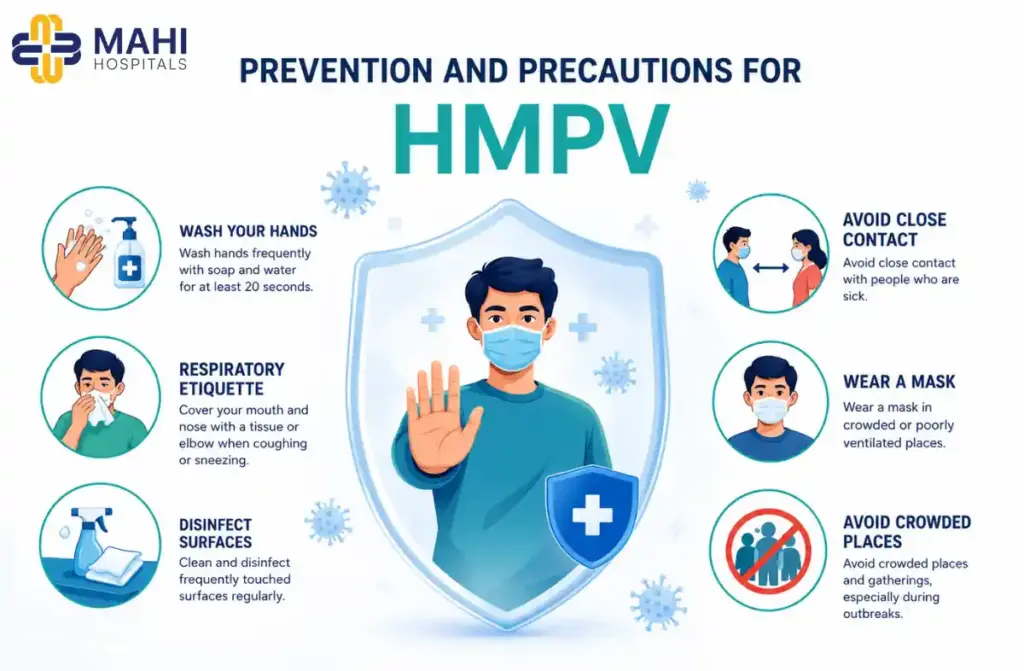
The most effective preventive measures include:

  • Wash your hands regularly: Proper hand hygiene removes viral particles before they have an opportunity to reach the eyes, nose, or mouth.
  • Cover coughs and sneezes: Using a tissue or your elbow helps reduce the spread of respiratory droplets into the surrounding environment.
  • Avoid close contact when you are unwell: Staying home during the infectious phase protects family members, colleagues, classmates, and vulnerable individuals.
  • Clean frequently touched surfaces: Door handles, toys, mobile phones, and shared household objects can become contaminated with respiratory secretions.
  • Maintain good respiratory hygiene in crowded indoor settings: During periods of increased respiratory virus activity, sensible precautions become even more valuable for people at higher risk.

These recommendations may seem familiar because they are effective against many respiratory viruses—not just HMPV.

Clinical Insight: The same everyday habits that reduce the spread of HMPV also help lower the transmission of influenza, RSV, and several other respiratory infections. Small preventive actions performed consistently often have the greatest public health impact.

When Should You Seek Medical Care?

Most Human Metapneumovirus infections improve without complications. However, recognizing when symptoms are no longer following the expected course is essential.

Medical evaluation should not be delayed if symptoms become progressively worse or if breathing begins to feel more difficult.

Seek medical attention if you or someone in your care develops:

  • Difficulty breathing, rapid breathing, or persistent wheezing, particularly if symptoms continue to worsen.
  • A high or persistent fever that does not improve or returns after initially settling.
  • Signs of dehydration, including reduced urination, dizziness, excessive sleepiness, or inability to drink enough fluids.
  • Chest pain, increasing shortness of breath, or confusion, as these may indicate more significant illness requiring prompt assessment.
  • Poor feeding, unusual lethargy, or breathing difficulties in infants and young children, as respiratory infections can progress more quickly in this age group.

Individuals with asthma, COPD, weakened immune systems, chronic heart or lung disease, or advanced age should also seek medical advice earlier if respiratory symptoms worsen, even if they initially appear mild.

Early medical assessment allows healthcare professionals to determine whether the illness remains uncomplicated or whether additional evaluation, monitoring, or supportive treatment is needed.

Conclusion

Human Metapneumovirus infection is a common respiratory illness that has likely circulated for decades, even though many people have only recently become familiar with its name. For most healthy children and adults, the infection causes mild cold-like symptoms that improve with supportive care and time.

The severity of HMPV depends less on the virus itself and more on the individual it infects. Infants, older adults, people with chronic lung disease, and those with weakened immune systems are more likely to develop complications such as bronchiolitis or pneumonia, making early recognition of warning signs especially important.

Perhaps the most reassuring message is that the principles of prevention are already familiar. Good hand hygiene, respiratory etiquette, avoiding close contact while ill, and seeking timely medical advice when symptoms worsen remain highly effective strategies for reducing transmission and protecting vulnerable individuals.

Understanding HMPV is not about creating concern over another respiratory virus. It is about recognizing that informed decisions, early medical assessment when needed, and evidence-based preventive measures allow most people to recover safely while helping protect those at greatest risk.

Frequently Asked Questions

No. HMPV and RSV are different viruses, although they belong to the same viral family and often cause similar respiratory symptoms. Laboratory testing may sometimes be needed to distinguish between them, particularly in hospitalized or high-risk patients.

Most people recover within one to two weeks. Fatigue and cough may persist slightly longer because the airways can remain inflamed even after the virus has been cleared.

Yes. Although HMPV is commonly associated with children, adults can also become infected. Healthy adults often experience a mild illness, while older adults and those with chronic medical conditions may be at greater risk of complications.

Yes. Previous infection does not provide lifelong immunity. People can become infected again later in life, although repeat infections are often milder because the immune system has encountered the virus before.

At present, there is no widely available vaccine for Human Metapneumovirus. Research continues to explore vaccines and antiviral therapies, but current management focuses on prevention and supportive care.

It is often impossible to tell based on symptoms alone because HMPV shares many features with influenza, RSV, COVID-19, and other respiratory viruses. A healthcare professional may recommend specific testing when the result is likely to influence treatment or clinical management.

Early symptoms may include cough, fever, nasal congestion, runny nose, sore throat, and tiredness. Symptoms can vary depending on a person’s age, overall health, and immune response.

Latest Health Vlog Updates

Watch expert healthcare videos, medical insights, and wellness tips to stay informed and healthy.

Need Help With Our Services?

Fill out the form and our patient care coordinators will get back to you within 24 hours to assist with appointments, queries, or any guidance you need.

MAHI Hospitals