

Medically Reviewed by Dr. Vijay Kumar Sohanlal, MBBS, MS (Orthopaedics), Orthopaedic & Joint Replacement Surgeon, Founder & Owner of MAHI Multispeciality Hospitals, Kilpauk, Chennai
Last medically reviewed: October 2026
Bone and joint problems can affect how a person walks, moves, works, and carries out everyday activities. Persistent pain, swelling, stiffness, or difficulty moving a joint may indicate an underlying musculoskeletal condition that requires medical evaluation.
Consulting an orthopedic surgeon in Chennai can help patients understand the possible cause of their symptoms and the treatment options available. Orthopaedic care covers a range of conditions affecting bones, joints, muscles, tendons, ligaments, and related structures.
At MAHI Hospitals, orthopaedic consultations focus on evaluating symptoms, understanding the patient’s medical history, and determining an appropriate course of management based on clinical findings.
Orthopaedic Care at MAHI Hospitals
Musculoskeletal conditions can develop because of injuries, age-related joint changes, repetitive strain, inflammatory disorders, or other underlying health concerns. Symptoms and their severity vary from person to person, so treatment decisions require an individual assessment.
The orthopaedic evaluation may include a physical examination, a review of previous medical records, and diagnostic investigations when necessary. Depending on the findings, treatment may involve medication, physiotherapy, activity modification, or surgical intervention.
The purpose of the consultation is to identify the condition, explain the available options, and help the patient make an informed decision about further care.
About Dr. Vijay Kumar Sohanlal
Dr. Vijay Kumar Sohanlal is an orthopaedic surgeon associated with MAHI Hospitals in Chennai. His clinical practice includes the evaluation and management of selected bone and joint conditions, including those involving joint replacement.
An orthopaedic consultation provides an opportunity to discuss symptoms, previous treatments, diagnostic reports, and concerns about mobility. The recommended approach depends on the patient’s diagnosis, general health, functional needs, and treatment preferences.
Common Conditions That May Require Orthopaedic Evaluation
Knee Pain and Joint Problems
Knee pain may occur due to osteoarthritis, ligament injuries, meniscus damage, overuse, or other joint conditions. Patients may experience stiffness, swelling, discomfort while walking, or difficulty climbing stairs.
The assessment helps determine whether symptoms can be managed with non-surgical treatment or whether further investigation or a surgical opinion is necessary.
Hip Pain and Restricted Movement
Hip joint conditions may cause discomfort while walking, sitting, standing, or changing positions. Osteoarthritis, fractures, and other joint disorders can affect hip movement and daily function.
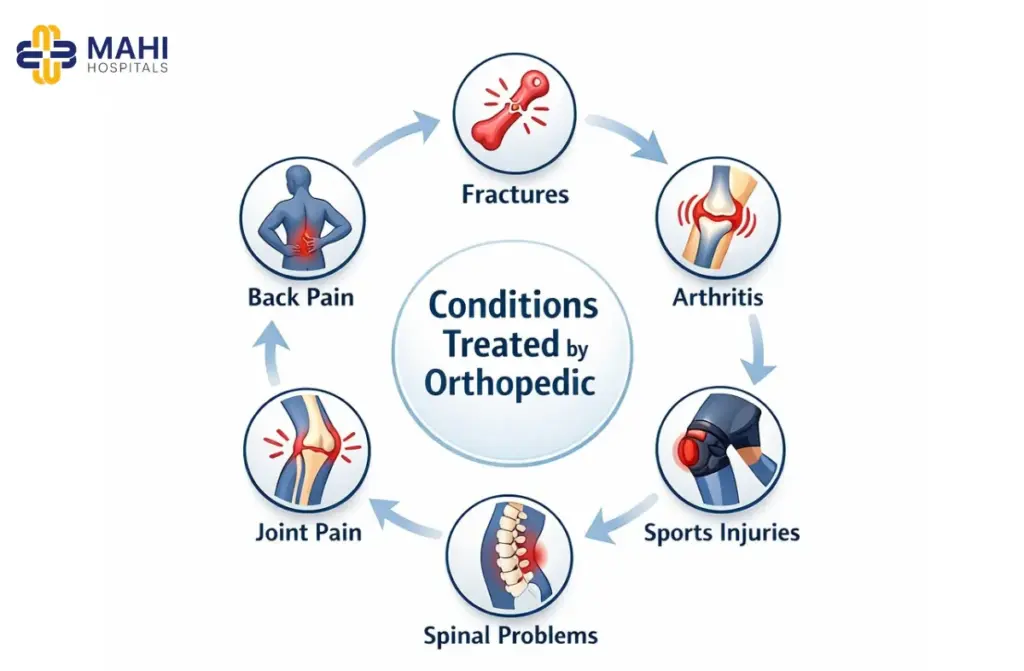
Treatment depends on the underlying cause and the extent of joint damage. Management may include medication, physiotherapy, activity modification, or consideration of hip replacement surgery in selected cases.
Shoulder Pain and Sports Injuries
Shoulder pain can result from tendon injuries, ligament damage, inflammation, repetitive movements, or other musculoskeletal problems. Sports injuries may also affect the knee, ankle, wrist, and other joints.
Clinical evaluation helps identify the affected structures and determine whether rehabilitation, medication, further investigations, or a procedure may be appropriate.
Fractures and Orthopaedic Injuries
A fracture may occur following a fall, road accident, sports injury, or direct impact. The severity depends on the location and type of fracture, the extent of displacement, and any associated tissue damage.
Treatment may involve immobilisation, fracture reduction, or surgical fixation. The treating doctor determines the appropriate approach after assessing the injury.
Spine and Back-Related Conditions
Back pain, neck stiffness, and pain extending into the arms or legs may arise from several causes, including degenerative changes and disc-related conditions.
An assessment helps determine whether symptoms are related to muscles, joints, nerves, or another underlying problem. Treatment is selected according to the diagnosis and may include medication, physiotherapy, or specialist intervention.
How is an Orthopaedic Condition Evaluated?
An orthopaedic assessment generally begins with a discussion about the patient’s symptoms, their duration, previous injuries, existing medical conditions, and any treatment already received.
The evaluation may include the following steps:
- Medical history: Reviewing the symptoms, medical background, medication use, and previous treatment.
- Physical examination: Assessing joint movement, swelling, tenderness, stability, and muscle function.
- Diagnostic investigations: Recommending X-rays, MRI scans, CT scans, or laboratory tests when clinically indicated.
- Treatment discussion: Explaining the diagnosis and the available management options.
- Follow-up planning: Monitoring progress and reviewing the treatment approach when necessary.
Not every patient requires imaging or laboratory investigations. The need for further tests depends on the clinical findings.
Treatment Options for Bone and Joint Conditions
Treatment is based on the diagnosis, the severity of the condition, the patient’s general health, and the effect of symptoms on everyday life.
Non-surgical Treatment
Many orthopaedic conditions can initially be managed without surgery. Depending on the condition, treatment may include prescribed medication, physiotherapy, suitable exercises, activity modification, or other conservative measures.
The response to treatment should be reviewed periodically. If symptoms persist or worsen, the doctor may recommend further evaluation.
Arthroscopic Procedures
Arthroscopy is a surgical technique that uses a small camera and specialised instruments to examine or treat certain joint conditions. It may be considered for selected problems involving ligaments, cartilage, or other joint structures.
Its suitability depends on the specific diagnosis and the expected benefits and risks of the procedure.
Knee and Hip Replacement Surgery
Joint replacement may be considered when substantial joint damage causes persistent pain or functional limitations and other suitable treatments have not provided sufficient relief.
The decision involves reviewing symptoms, examination findings, imaging results, medical fitness, and the patient’s expectations. Before proceeding, patients should receive information about the procedure, possible complications, alternative treatments, and rehabilitation requirements.
Robotic-Assisted Joint Replacement
Robotic-assisted technology may be used to support planning and guide certain joint replacement procedures. Its suitability depends on the patient’s condition, the planned surgery, and the available technology.
The use of robotic assistance does not guarantee a particular result or remove the risks associated with surgery. Patients should discuss the potential benefits, limitations, and alternatives with their surgeon.
Recovery and Rehabilitation After Orthopaedic Treatment
Recovery depends on the condition being treated, the type of procedure performed, the patient’s general health, and the rehabilitation plan.
Following surgery, care may involve wound monitoring, pain management, movement guidance, physiotherapy, and scheduled follow-up appointments. Some procedures allow earlier movement, while others require temporary restrictions or additional support.
Patients should follow the treating team’s instructions regarding exercise, weight-bearing, driving, work, and other daily activities. Recovery timelines differ, and progress should be assessed individually.
When Should You Seek Medical Attention?
Consider an orthopaedic consultation if joint pain continues, swelling does not settle, movement becomes restricted, or symptoms interfere with everyday activities.
Following a major injury, suspected fracture, sudden inability to bear weight, or a hot and swollen joint accompanied by fever, seek urgent medical assessment. New bladder or bowel dysfunction, numbness around the groin, or progressive leg weakness associated with back pain also requires emergency evaluation.
Read More: Orthopedic Surgeon in Kilpauk