Knee pain is a widely experienced musculoskeletal issue that affects individuals across all age groups. Whether it is caused by injury, arthritis, or long-term wear and tear, persistent knee pain can significantly impact mobility, independence, and overall quality of life. In a fast-paced city like Chennai, where daily routines often involve long hours of standing, walking, or commuting, knee-related issues are increasingly prevalent, leading many patients to seek the best knee replacement surgeon in Kilpauk for expert evaluation and effective treatment options.
Modern orthopaedic advancements have transformed the way knee conditions are treated. From conservative management like physiotherapy and medication to advanced surgical interventions such as robotic-assisted knee replacement, patients today have access to highly effective solutions. Early diagnosis and timely treatment play a crucial role in preventing further joint damage and restoring function.
For patients searching for the best knee doctor in Egmore or a trusted knee specialist in Purasawalkam, choosing an experienced orthopaedic expert is essential. The right surgeon not only ensures accurate diagnosis but also recommends the most suitable treatment plan tailored to the patient’s lifestyle and condition.
Common Causes of Knee Pain
- Knee pain can arise from a variety of causes, ranging from minor injuries to complex degenerative conditions. Understanding the underlying cause is the first step toward effective treatment.
- One of the leading causes is osteoarthritis, a degenerative joint disease that occurs due to the gradual breakdown of cartilage. It is commonly seen in older adults but can also affect younger individuals due to obesity, genetics, or previous injuries. Common symptoms include joint stiffness, swelling, and limited movement or flexibility.
- Ligament injuries, such as ACL (anterior cruciate ligament) tears, are frequently seen in athletes or individuals involved in physically demanding activities. These injuries often result in instability and require specialized care.
- Meniscus tears are another common issue, especially among people who perform sudden twisting movements. These tears can cause pain, swelling, and difficulty in bending or straightening the knee.
- Other causes include rheumatoid arthritis, an autoimmune condition, post-traumatic arthritis, fractures, infections, and overuse injuries. In many cases, untreated or poorly managed conditions can worsen over time, eventually leading to the need for surgical intervention.
Best Knee Replacement Surgeon in Kilpauk
Dr. Vijay Kumar Sohanlal
Dr. Vijay Kumar Sohanlal is a highly respected orthopedic specialist and knee replacement surgeon in Chennai, known for his expertise in robotic-assisted and conventional joint replacement procedures. He specializes in navigation-guided and minimally invasive knee treatments that enhance surgical precision, reduce tissue damage, and support faster recovery.
With over 18+ years of orthopedic experience, he has helped numerous patients regain mobility and achieve long-term relief from joint pain. His work at MAHI Multispecialty Hospital reflects a strong commitment to advanced technology, patient safety, and functional recovery. As the best knee replacement surgeon in Kilpauk, he is widely trusted for delivering consistent and effective outcomes.

For patients seeking a reliable robotic specialist in Tamil Nadu, his clinical approach combines proven surgical techniques with modern innovation, ensuring personalized and result-oriented care.
- Approach: Dr. Vijay Kumar Sohanlal follows a patient-first philosophy focused on:
- Clear communication throughout the treatment journey
- Transparent explanation of available options
- Personalized treatment planning
- Structured post-operative care and rehabilitation support
- Expertise: His key areas of specialization include:
- Robotic knee replacement surgery
- Robotic hip replacement surgery
- Navigation-guided joint reconstruction
- Minimally invasive orthopedic procedures
- Experience: With extensive surgical experience, he has performed a high volume of joint replacement procedures using advanced techniques, ensuring precision and improved patient outcomes.
- Location: He practices at MAHI Multispecialty Hospital in Kilpauk, Chennai, offering accessible orthopedic care to patients across Tamil Nadu.
Understanding the Knee Replacement Surgery Process
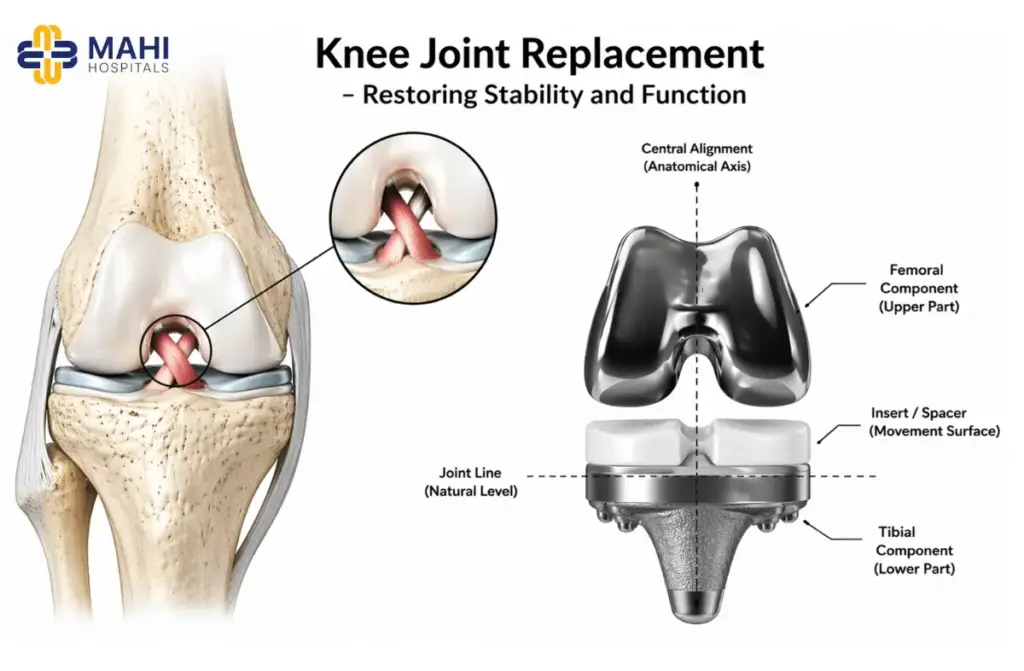
Knee replacement surgery, also known as knee arthroplasty, is a highly effective procedure designed to relieve pain and restore function in severely damaged knee joints. The process involves several carefully planned stages to ensure safety and optimal results.
- Initial Consultation and Diagnosis: The journey begins with a comprehensive consultation where the surgeon evaluates the patient’s medical history, symptoms, and physical condition. Diagnostic tools such as X-rays, MRI scans, and blood tests may be used to assess the severity of joint damage. During this stage, non-surgical treatments are also explored. Surgery is recommended only when conservative methods fail to provide relief. This patient-first approach ensures that every treatment decision is medically justified.
- Pre-Surgical Planning: Once surgery is advised, detailed pre-operative planning is carried out. In advanced centers, robotic technology is used to create a precise 3D model of the patient’s knee. This allows the surgeon to plan implant positioning with high accuracy. Pre-surgical preparation may also include physiotherapy, dietary guidance, and optimization of existing health conditions such as diabetes or hypertension to minimize risks during surgery.
- Surgical Procedure: During the procedure, the damaged cartilage and bone are carefully removed and replaced with high-quality prosthetic implants. In robotic-assisted surgery, the system guides the surgeon for enhanced precision, ensuring better alignment and longevity of the implant. The surgery typically takes 1 to 2 hours. Minimally invasive techniques reduce blood loss, pain, and hospital stay duration.
- Post-Surgery Recovery and Rehabilitation: Recovery is a crucial phase that determines the long-term success of the surgery. Patients are encouraged to start walking with assistance within 24–48 hours after surgery. A structured rehabilitation program including physiotherapy helps regain strength, flexibility, and mobility. Most patients can resume normal daily activities within 4–6 weeks, while complete recovery may take a few months.
When to Consider Knee Replacement Surgery
Knee replacement surgery is typically advised when knee pain becomes intense and begins to interfere with everyday activities and overall quality of life. Some key indicators include:
- Persistent pain even during rest
- Difficulty in walking, climbing stairs, or standing
- Swelling and stiffness that do not improve with medication
- Deformity in the knee joint (bowing or misalignment)
- Failure of non-surgical treatments such as physiotherapy and injections
Patients experiencing these symptoms should consult a qualified specialist promptly. Delaying treatment can lead to worsening joint damage and reduced quality of life.
Common Signs That Indicate Knee Replacement May Be Needed
Knee pain can gradually affect mobility, independence, and overall quality of life. Many people ignore the early symptoms of knee joint damage, assuming the discomfort will improve over time. However, persistent pain and stiffness may indicate advanced arthritis or severe joint degeneration that requires proper orthopaedic evaluation. Consulting the best knee replacement surgeon in Kilpauk at the right stage can help patients understand their condition and explore suitable treatment options before symptoms become severe.
- Persistent Pain While Walking or Standing: One of the most common warning signs is ongoing knee pain during walking, standing, or daily movement. Patients may experience discomfort even after short periods of activity, making routine tasks physically exhausting. Continuous knee pain can indicate cartilage damage or joint wear that affects normal knee function.
- Trouble Climbing Steps or Stairs: Difficulty climbing stairs is another common symptom associated with knee arthritis and joint degeneration. Many patients notice weakness, pain, or instability while using stairs, especially when putting pressure on the knee joint. Early assessment by a knee specialist in Purasawalkam may help identify the cause and prevent worsening mobility issues.
- Morning or Post-Rest Knee Stiffness: Knee stiffness after waking up or sitting for long periods can make movement uncomfortable. This stiffness often improves slightly with activity but may return later in the day. Persistent stiffness is commonly associated with osteoarthritis and joint inflammation.
- Ongoing Knee Swelling and Inflammation: Frequent swelling around the knee joint may occur due to inflammation, cartilage damage, or fluid accumulation. Swelling that does not improve with rest, medication, or physiotherapy may require advanced orthopaedic evaluation.
- Night Pain and Sleep Disturbance: Severe knee pain can affect sleep quality and overall well-being. Some patients experience discomfort even while resting, which may indicate advanced joint degeneration requiring specialized treatment.
- Difficulty Managing Everyday Activities: Simple activities such as walking, sitting, standing, or getting out of a chair may become increasingly difficult due to knee pain and reduced joint movement. Many patients begin avoiding physical activities because of discomfort and fear of worsening pain.
- Why Early Orthopaedic Evaluation Matters: Early consultation with the best knee doctor in Egmore can help identify knee problems before they progress further. Proper diagnosis, imaging, and treatment planning may reduce pain, improve mobility, and delay the need for surgery in certain cases.
Step-by-Step Overview of Knee Replacement Surgery
- Knee replacement surgery is an advanced orthopaedic procedure designed to relieve pain and restore movement in patients with severe knee joint damage. Modern surgical techniques and improved implant technology have significantly enhanced patient outcomes and recovery.
- Understanding the Surgical Process: The procedure involves replacing damaged portions of the knee joint with artificial components designed to improve movement and reduce pain. The surgery is carefully planned based on the patient’s condition, joint damage, and mobility needs.
- Role of Anesthesia During Surgery: Patients are given anesthesia to ensure comfort throughout the procedure. Depending on the medical condition and surgical plan, spinal or general anesthesia may be used to provide a safe and pain-free surgical experience.
- Removal of Damaged Knee Joint Surfaces: During the surgery, the damaged cartilage and worn-out bone surfaces are carefully removed. This helps eliminate the painful areas within the knee joint that restrict movement.
- Placement of Artificial Knee Implants: Specially designed artificial implants are placed to restore knee alignment, stability, and smooth movement. Modern implants are developed to mimic natural knee motion and improve long-term joint function.
- Ensuring Proper Joint Alignment and Stability: The surgeon carefully checks knee movement, implant positioning, and stability during the procedure. Accurate alignment is important for improving mobility and implant longevity. Many patients prefer consulting the top knee replacement surgeon in Chetpet for advanced surgical precision and personalized treatment.
- Managing Pain After Knee Replacement: Pain management is an important part of modern knee replacement care. Medications, early movement, physiotherapy, and rehabilitation programs help reduce discomfort and support faster recovery after surgery.
Advantages and Possible Risks of Knee Replacement
Knee replacement surgery offers significant benefits for patients with severe arthritis and chronic joint pain. However, understanding both the advantages and possible risks helps patients make informed treatment decisions.
- Key Benefits of Knee Replacement Surgery:The primary goal of knee replacement surgery is to relieve pain, restore mobility, and improve overall quality of life. Many patients experience better movement and greater confidence in performing everyday activities after recovery.
- Restoring Comfortable Movement and Walking: After successful surgery and rehabilitation, many patients can walk more comfortably and participate in daily routines with reduced pain and stiffness.
- Improved Joint Strength and Stability: Artificial knee implants help restore stability and balance, making movements safer and more comfortable for patients affected by severe joint damage.
- Enhancing Daily Comfort and Independence: Simple activities such as standing, climbing stairs, shopping, and walking outdoors often become easier after knee replacement surgery. Improved mobility may also support emotional well-being and confidence.
- Understanding the Possible Surgical Risks: Like any major surgical procedure, knee replacement surgery carries certain risks that patients should understand before treatment.
- Managing Infection and Blood Clot Risks: Potential complications may include infection, blood clots, or delayed wound healing. These risks are carefully managed through surgical protocols, medications, monitoring, and follow-up care.
- Temporary Swelling and Recovery Challenges: Some patients may experience temporary swelling, stiffness, or discomfort during recovery. Physiotherapy and rehabilitation play an important role in improving movement and reducing post-operative stiffness.
- Importance of Follow-Up and Rehabilitation Care: Regular follow-up consultations help monitor healing, implant function, and recovery progress. Rehabilitation programs are designed to strengthen the knee joint and improve flexibility over time.
Recovery Journey After Knee Replacement Surgery
Recovery after knee replacement surgery is a gradual process that focuses on healing, improving mobility, and restoring confidence in movement.
- Immediate Care After the Procedure: After surgery, patients are closely monitored in the recovery area to ensure stable blood pressure, breathing, and pain control. Medical teams provide continuous observation during the early recovery period.
- Monitoring During the Initial Recovery Period: Hospital stay duration varies depending on the patient’s health condition and recovery progress. Some patients may return home within a short period, while others may require additional observation.
- Importance of Early Mobility and Walking: Early walking and gentle movement are encouraged soon after surgery to improve circulation, reduce stiffness, and support faster rehabilitation.
- Guidelines for Safe Discharge and Home Recovery: Before discharge, patients receive detailed instructions regarding medications, wound care, physiotherapy, and movement precautions to ensure safe recovery at home.
Rehabilitation and Post-Surgery Care Plan
Proper rehabilitation is essential for successful long-term recovery after knee replacement surgery.
- Gentle Exercises to Improve Knee Movement: Simple exercises are introduced early to improve flexibility, strengthen muscles, and restore knee movement gradually.
- Benefits of Elevating the Leg During Recovery: Keeping the leg elevated while resting may help reduce swelling and improve blood circulation during the healing phase.
- Using Ice Therapy to Reduce Swelling: Cold therapy or ice application can help reduce inflammation, swelling, and post-surgical discomfort around the knee joint.
- Proper Wound and Incision Care Tips: Patients receive clear guidance on maintaining incision hygiene, dressing changes, and recognizing signs of infection during recovery.
- Importance of Physiotherapy After Surgery: Physiotherapy is one of the most important aspects of recovery. Structured rehabilitation exercises help patients regain strength, balance, flexibility, and confidence in walking.
Home Preparation Tips for Smooth Recovery
Preparing the home environment before surgery can help improve safety and comfort during recovery.
- Improving Bathroom Safety After Surgery: Installing stable seating and non-slip support in bathrooms may reduce the risk of falls during the early recovery phase.
- Installing Support Rails for Better Stability: Support rails near toilets, staircases, and showers can help patients move safely while regaining balance and strength.
- Removing Fall Hazards Inside the Home: Loose rugs, cables, and cluttered pathways should be cleared to create a safer walking environment after surgery.
- Setting Up a Comfortable Recovery Environment: Creating a comfortable recovery area with easy access to medications, water, and mobility aids can help patients recover more comfortably at home.
Lifespan and Durability of Knee Replacement Implants
Modern knee replacement implants are designed to provide long-lasting pain relief and improved mobility for many years.
- How Long Modern Knee Implants Typically Last: Most modern knee implants may last approximately 15 to 20 years or longer depending on activity level, body weight, implant quality, and overall joint health.
- Factors That Influence Implant Performance: Implant longevity can be influenced by factors such as physical activity, obesity, rehabilitation, underlying medical conditions, and proper post-surgical care.
- Importance of Regular Orthopaedic Follow-Ups: Regular follow-up visits allow surgeons to monitor implant condition, joint movement, and overall recovery progress over time.
- Tips to Maintain Long-Term Joint Function: Maintaining a healthy weight, staying physically active, following rehabilitation guidance, and avoiding excessive strain on the knee joint may help support long-term implant performance and mobility.
Why Choose Dr. Vijay Sohanlal for Knee Replacement
Choosing the right surgeon is one of the most important decisions in your treatment journey. Dr. Vijay Sohanlal stands out for several reasons:
- Extensive Experience: With nearly two decades of expertise, he has successfully treated thousands of patients with varying degrees of joint conditions.
- Advanced Technology: His specialization in robotic and navigation-assisted surgery ensures precision and improved outcomes.
- Patient-Centered Approach: Every treatment plan is customized based on the patient’s condition, lifestyle, and expectations.
- Affordable Care: Through collaborations and initiatives, he provides cost-effective treatment options without compromising quality. The approximate cost of knee replacement surgery in Chennai typically ranges between ₹1,80,000 to ₹3,50,000 depending on the type of procedure, implant used, and hospital facilities.
- Comprehensive Care: From diagnosis to rehabilitation, patients receive end-to-end support under one roof at MAHI Multispecialty Hospital.
For those searching for a reliable knee specialist in Purasawalkam or the best knee doctor in Egmore, Dr. Vijay Kumar Sohanlal offers a perfect combination of expertise, technology, and compassionate care.
Conclusion
Knee pain should never be ignored, especially when it begins to interfere with your daily life. With advancements in orthopaedic care, effective treatment options are now more accessible than ever. From early diagnosis to advanced surgical solutions like robotic knee replacement, patients can achieve lasting relief and improved mobility.
Choosing an experienced and skilled surgeon plays a crucial role in ensuring successful outcomes. With his extensive expertise, global training, and commitment to patient-first care, Dr. Vijay Kumar Sohanlal continues to be a trusted name in knee replacement surgery in Chennai. If you are experiencing chronic knee pain or limited mobility, seeking timely consultation can help you regain an active and pain-free life.
Read More: Hemiarthroplasty : Procedure, Recovery, and More.