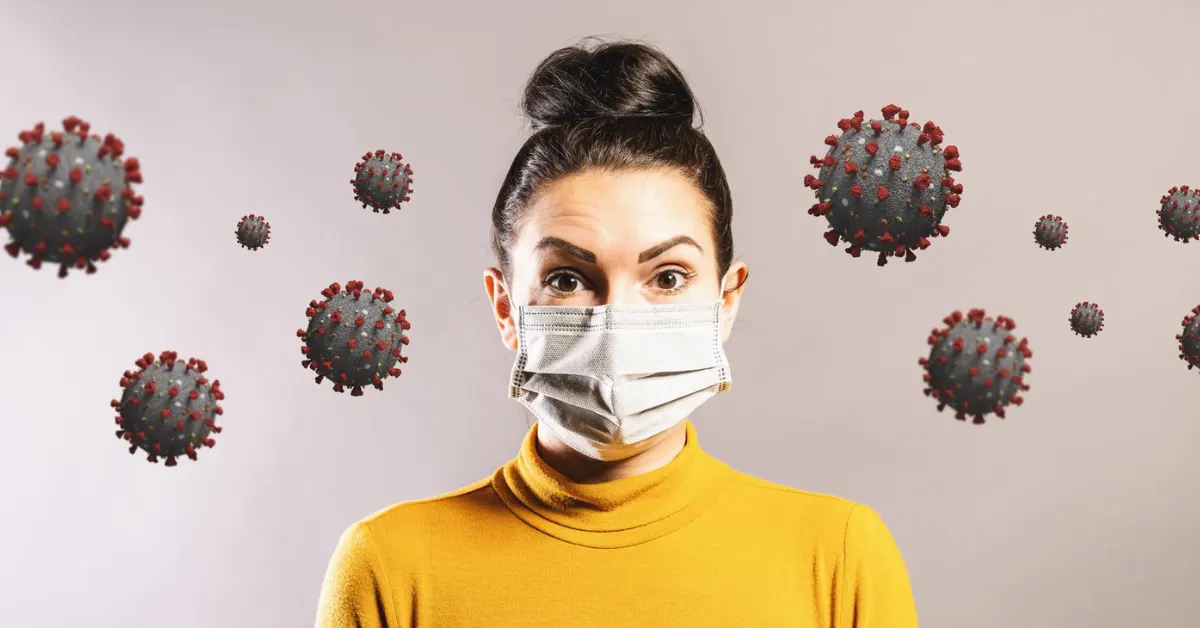
Infectious Diseases focus on identifying, treating, and preventing illnesses caused by bacteria, viruses, fungi, and parasites. These infections can range from common fevers to life-threatening conditions affecting multiple organs. With rising antibiotic resistance, global travel, and emerging infections, specialised infectious disease care has become more important than ever. Modern management goes beyond prescribing medicines—it involves accurate diagnosis, targeted therapy, infection control, and prevention strategies. A dedicated infectious diseases department ensures early detection, appropriate treatment, and reduced complications while protecting both patients and the community.
Infectious diseases are illnesses caused by microorganisms that invade the body and disrupt normal function.
Core areas explained:
Infections vary in severity and require tailored treatment.
Conditions managed include:
Accurate diagnosis is the foundation of effective infection control.
Diagnostic tools explained:
Responsible antibiotic use is critical today.
Stewardship principles explained:
Some infections require intensive care and close monitoring.
Advanced care includes:
Preventing infection spread is a key responsibility.
Infection control measures explained:
Weakened immunity increases infection risk.
Specialised care includes:
Expert oversight improves outcomes.
Specialist responsibilities explained:
Modern tools enhance speed and accuracy.
Advanced support explained:
Preparation improves diagnostic accuracy.
Before consultation or tests:
Proper follow-up ensures full recovery.
After treatment, patients should:
Infections can escalate quickly without expert care.
Its importance explained:
Infectious Diseases require timely diagnosis, targeted treatment, and strict prevention strategies to protect both individual patients and the wider community. With evolving pathogens and increasing resistance, specialised care plays a crucial role in ensuring safe recovery and preventing complications. From common infections to complex, life-threatening conditions, comprehensive infectious disease management improves outcomes and saves lives. At MAHI Hospitals, the Infectious Diseases department delivers evidence-based, patient-focused, and technologically advanced care—ensuring accurate treatment, effective prevention, and long-term health security.
You should consult an infectious disease specialist if you have recurrent infections, prolonged fever, antibiotic-resistant infections, or complex illnesses like tuberculosis or HIV. Specialist care is also recommended for patients with weak immunity, post-surgical infections, or infections that do not respond to standard treatment.
No, not all infections are contagious. Some spread from person to person, while others come from food, water, insects, or the environment. Doctors identify the source of infection and advise isolation or preventive measures only when necessary to protect others.
Completing the full course of antibiotics ensures that all infection-causing bacteria are eliminated. Stopping treatment early can lead to relapse and antibiotic resistance, making future infections harder to treat. Always follow medical advice even if symptoms improve early.
Watch expert healthcare videos, medical insights, and wellness tips to stay informed and healthy.
Fill out the form and our patient care coordinators will get back to you within 24 hours to assist with appointments, queries, or any guidance you need.