Oncology

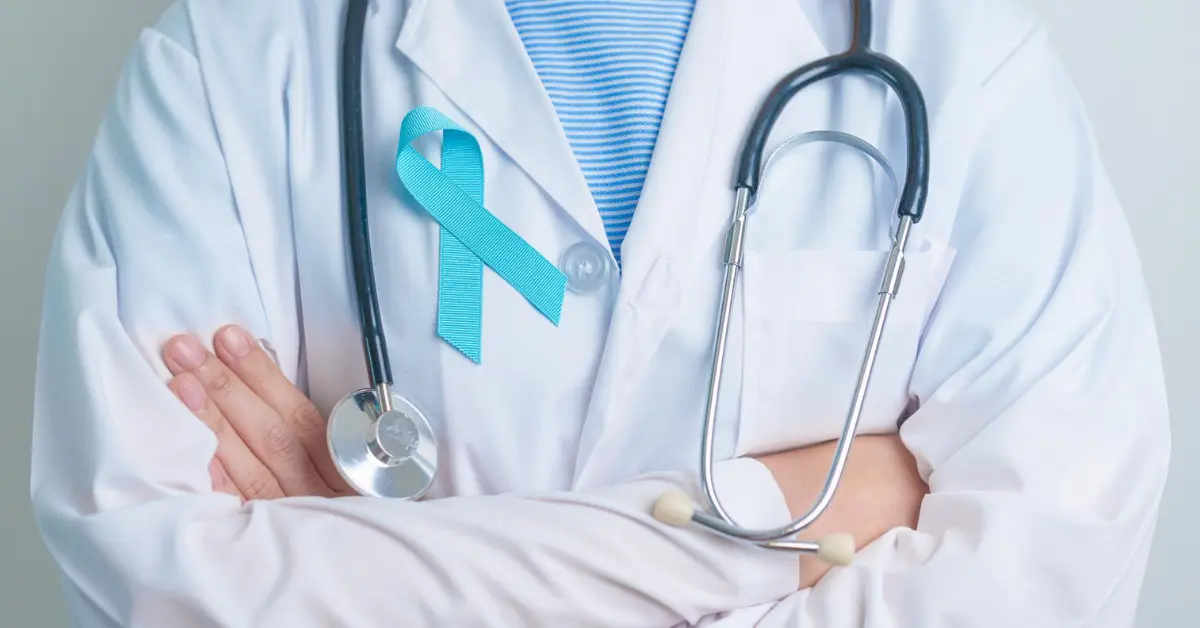
Oncology is the medical specialty focused on diagnosing, treating, and managing cancer and related conditions.
Oncology

Oncology is the medical specialty focused on the prevention, diagnosis, and treatment of cancer using evidence-based, patient-first approaches. Cancer care today is no longer just about fighting disease—it’s about precision, compassion, and quality of life. With early detection, advanced imaging, targeted therapies, and multidisciplinary care, many cancers are now manageable and even curable. Modern oncology emphasizes personalised treatment plans that consider the patient’s biology, lifestyle, and emotional well-being. A comprehensive oncology department supports patients from screening to survivorship, ensuring continuity of care at every stage of the cancer journey.

What is Oncology?

Oncology deals with cancers affecting different organs and systems of the body.

Core areas explained:

  • Medical Oncology: Uses medications like chemotherapy, targeted therapy, and immunotherapy.
  • Surgical Oncology: Removes cancerous tumors safely and effectively.
  • Radiation Oncology: Destroys cancer cells using controlled radiation.
  • Preventive Oncology: Focuses on screening and early detection.
  • Supportive Oncology: Manages symptoms, nutrition, and emotional health.

Types of Cancer Treated

Cancer can affect almost any part of the body and varies in behavior.

Common cancers managed include:

  • Breast Cancer: Affects breast tissue, common in women.
  • Lung Cancer: Linked to smoking and environmental exposure.
  • Gastrointestinal Cancers: Stomach, colon, liver, and pancreatic cancers.
  • Head & Neck Cancers: Affect mouth, throat, and voice box.
  • Blood Cancers: Leukemia, lymphoma, and multiple myeloma.
  • Gynecological Cancers: Cervical, ovarian, and uterine cancers.
  • Prostate Cancer: Common cancer affecting men. 

Early Detection & Cancer Screening

Early diagnosis significantly improves survival rates.

Screening services explained:

  • Cancer Risk Assessment: Identifies high-risk individuals.
  • Imaging Studies: Mammography, CT scans, and ultrasounds.
  • Endoscopic Screening: Detects gastrointestinal cancers early.
  • Biopsy & Histopathology: Confirms cancer diagnosis.
  • Genetic Testing: Identifies inherited cancer risks.

Medical Oncology Treatments

  • Drug-based therapies target cancer cells while preserving healthy tissue.Treatment options explained:
    • Chemotherapy: Destroys rapidly dividing cancer cells.
    • Targeted Therapy: Acts on specific cancer cell markers.
    • Immunotherapy: Boosts the body’s immune response against cancer.
    • Hormonal Therapy: Treats hormone-sensitive cancers.
    • Personalised Treatment Plans: Based on cancer type and stage. 

Surgical Oncology Services

Surgery plays a key role in cancer cure and control.

Surgical care includes:

  • Tumor Removal: Complete excision with clear margins.
  • Minimally Invasive Surgery: Faster recovery and less pain.
  • Cancer Staging Procedures: Determines disease spread.
  • Reconstructive Surgery: Restores form and function.
  • Post-Surgical Monitoring: Prevents recurrence and complications.

Radiation Oncology

Radiation therapy is a precise and controlled cancer treatment.

Radiation care explained:

  • External Beam Radiation: Targets tumors from outside the body.
  • Image-Guided Radiation: Improves accuracy and safety.
  • Palliative Radiation: Relieves pain and symptoms.
  • Combined Modality Therapy: Used with surgery or chemotherapy.
  • Side Effect Management: Protects surrounding healthy tissues. 

Multidisciplinary Cancer Care

Cancer treatment works best when specialists collaborate.

Team-based care includes:

  • Oncologists: Lead treatment planning and execution.
  • Surgeons & Radiologists: Provide procedural expertise.
  • Pathologists: Confirm diagnosis and cancer type.
  • Nurses & Counselors: Support daily care and emotional health.
  • Nutritionists & Physiotherapists: Aid recovery and strength. 

Supportive & Palliative Care

Quality of life is central to cancer treatment.

Supportive care includes:

  • Pain Management: Controls cancer-related discomfort.
  • Nutritional Support: Maintains strength during treatment.
  • Psychological Counseling: Supports emotional well-being.
  • Symptom Control: Manages nausea, fatigue, and weakness.
  • End-of-Life Care: Ensures dignity and comfort when needed. 

Technology & Innovation in Oncology

Advanced technology improves precision and outcomes.

Modern tools explained:

  • High-Resolution Imaging: Accurate tumor mapping.
  • Molecular Diagnostics: Tailored cancer therapy.
  • Digital Treatment Planning: Reduces errors.
  • Advanced Infusion Systems: Safe medication delivery.
  • Data-Driven Care Protocols: Evidence-based decisions.

Before Care – Preparing for Cancer Treatment

Preparation ensures safer and smoother treatment.

Before starting treatment:

  • Share complete medical and medication history. 
  • Discuss treatment goals and expectations. 
  • Undergo baseline investigations. 
  • Address fertility and nutritional concerns. 
  • Arrange emotional and family support. 

After Care – Post-Treatment & Survivorship

Recovery continues even after treatment ends.

After treatment, patients should:

  • Attend regular follow-up appointments. 
  • Monitor for recurrence or side effects. 
  • Maintain a balanced, nutritious diet. 
  • Resume physical activity gradually. 

Seek emotional and mental health support.

Why Comprehensive Oncology Care Matters

Cancer requires more than one-size-fits-all treatment.

Its importance explained:

  • Enables early diagnosis and timely treatment. 
  • Improves survival and quality of life. 
  • Reduces treatment-related complications. 
  • Supports emotional and physical recovery. 
  • Ensures continuity from diagnosis to survivorship.

Conclusion

Oncology today represents hope through science, compassion, and precision care. With early detection, advanced treatment options, and a multidisciplinary approach, cancer outcomes have improved significantly. Comprehensive oncology care focuses not only on curing disease but also on preserving dignity, comfort, and quality of life. From diagnosis to recovery and long-term follow-up, patients benefit from coordinated, personalised treatment strategies. At MAHI Hospitals, the Oncology department delivers evidence-based, patient-centric cancer care—supporting patients and families through every step of the cancer journey with expertise, empathy, and innovation.

Frequently Asked Questions

Common questions about Oncology and our services

Not all cancers are life-threatening, especially when detected early. Many cancers are highly treatable or curable with timely diagnosis and modern therapies. Advances in oncology have transformed cancer into a manageable condition for many patients, allowing them to live longer and maintain a good quality of life.

No, cancer treatment depends on the type, stage, and biology of the tumor. Some cancers are treated with surgery or radiation alone, while others benefit from targeted therapy or immunotherapy. Chemotherapy is just one of several effective treatment options available today.

Treatment duration varies based on cancer type, stage, and response to therapy. Some treatments last a few weeks, while others may continue for months. Doctors regularly assess progress and adjust treatment plans to achieve the best possible outcomes while minimizing side effects.

Related Blogs

No data was found

Need Help With Our Services?

Fill out the form and our patient care coordinators will get back to you within 24 hours to assist with appointments, queries, or any guidance you need.