
Total Hip Replacement
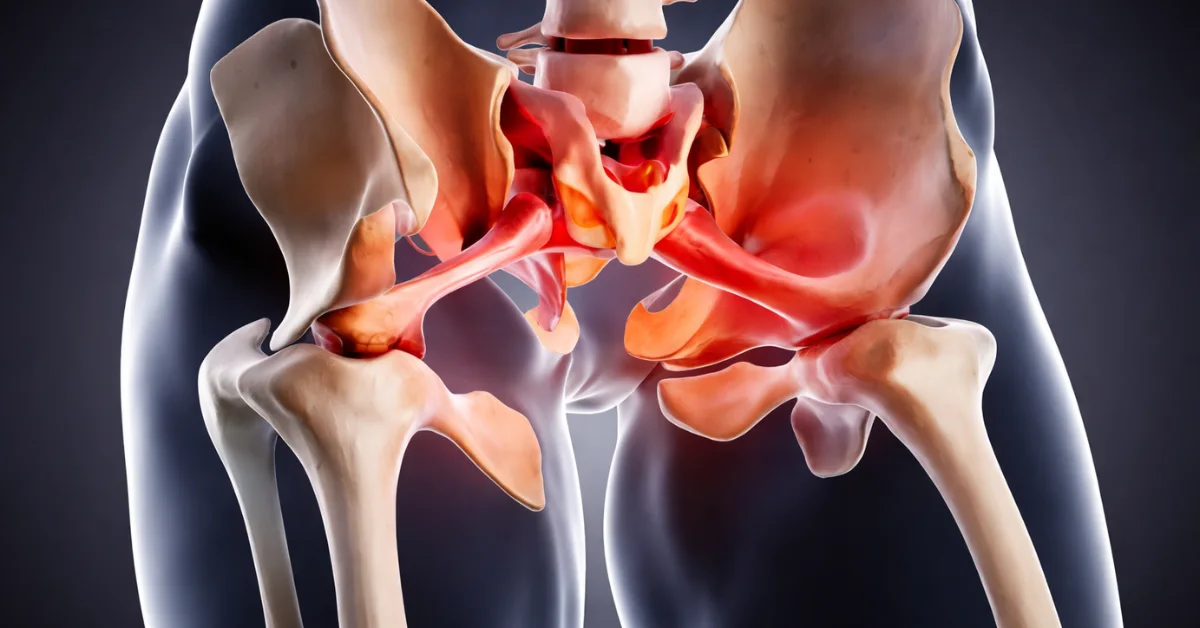
Living with chronic hip pain can severely impact your ability to walk, sit, or perform everyday activities. Conditions such as arthritis, injury, or joint degeneration can gradually worsen, leading to stiffness, discomfort, and reduced mobility. When medications, physiotherapy, and lifestyle modifications no longer provide relief, total hip replacement surgery in Chennai becomes a highly effective and long-term solution.
With advancements in medical technology and the availability of experienced specialists, total hip replacement procedures today are safer, more precise, and deliver excellent outcomes. Patients can expect improved mobility, reduced pain, and a significantly better quality of life after surgery.
What is Total Hip Replacement?
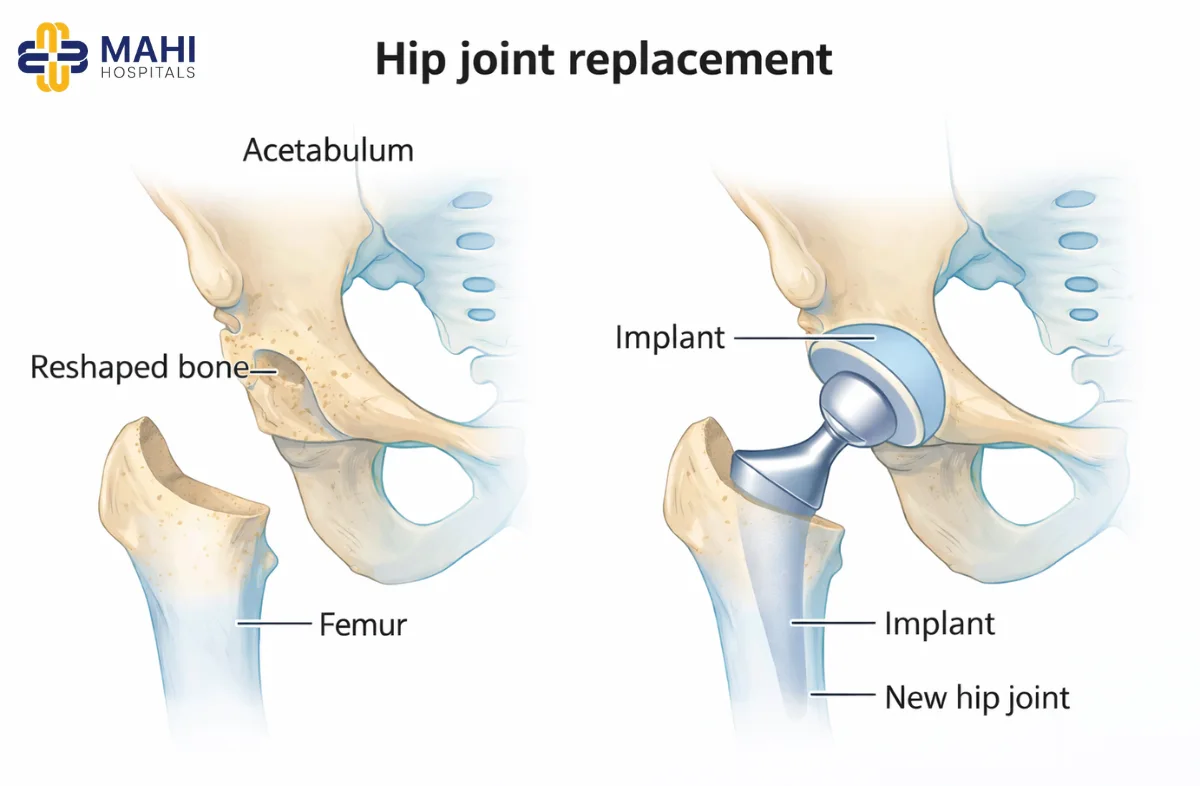
Total hip replacement (THR), also known as hip arthroplasty, is a surgical procedure in which a damaged hip joint is replaced with an artificial prosthetic implant. The hip joint is a ball-and-socket joint, where the femoral head (ball) fits into the acetabulum (socket) of the pelvis.
During the procedure:
- The damaged bone and cartilage are removed
- The hip socket is replaced with a durable artificial cup
- The femoral head is replaced with a prosthetic ball attached to a stem
These artificial components are designed to replicate natural movement, allowing smooth and pain-free joint function.
Who Needs Total Hip Replacement?
Not everyone with hip pain requires surgery. However, Total hip replacement surgery in Chennai is recommended when conservative treatments fail and daily life becomes significantly affected.
You may need hip replacement if you have:
- Severe osteoarthritis causing joint damage
- Rheumatoid arthritis or inflammatory joint disease
- Avascular necrosis (loss of blood supply to the bone)
- Hip fractures or trauma
- Persistent hip pain even at rest
Patients who experience difficulty in walking, climbing stairs, or performing routine activities are ideal candidates for surgery.
Symptoms & Indications
Recognizing the symptoms early can help you seek timely treatment from a total hip replacement surgeon in Chennai.
Common symptoms include:
- Chronic hip or groin pain
- Stiffness and reduced range of motion
- Difficulty walking or standing for long periods
- Pain that worsens with activity
- Sleep disturbances due to hip discomfort
- Failure of medications or physiotherapy to relieve pain
When these symptoms persist and worsen, surgical intervention becomes necessary.
Types of Hip Replacement Surgery
- Total Hip Replacement: In THR, both components of the hip joint—the femoral head (ball) and the acetabulum (socket)—are completely replaced with artificial implants. This is the most common and effective procedure for patients with severe arthritis or joint damage. It provides long-term pain relief, improved mobility, and a better quality of life.
- Partial Hip Replacement: Also known as hemiarthroplasty, PHR involves replacing only the damaged femoral head while preserving the natural socket. This procedure is typically recommended for elderly patients with hip fractures where the socket remains healthy. It is less extensive than total replacement and often involves a shorter surgical time.
- Cemented Hip Replacement: In a CHR the artificial implant is fixed securely to the bone using special surgical cement. This method is commonly used in older patients or those with weaker bone quality, as it provides immediate stability. Patients can often begin weight-bearing activities sooner after surgery.
- Uncemented Hip Replacement: It relies on natural bone growth to secure the implant. The prosthetic components are designed with a porous surface that allows bone to grow into them over time. This option is usually preferred for younger, more active patients with good bone strength, as it offers long-term durability.
- Minimally Invasive Hip Replacement: It is performed using smaller incisions compared to traditional surgery. This approach reduces muscle damage, leading to less pain, minimal scarring, shorter hospital stays, and faster recovery. Patients undergoing this technique can return to normal activities more quickly.
- Robotic-Assisted Hip Replacement: It is an advanced technique that uses computer-guided robotic systems to assist the surgeon during the procedure. It allows for highly accurate implant positioning, better alignment, and improved joint function. This precision reduces complications, enhances recovery, and increases the longevity of the implant, making it a preferred option in modern orthopaedics.
Modern orthopaedics offer different types of hip replacement procedures based on the patient’s condition and lifestyle.
Procedure of Total Hip Replacement
The total hip replacement procedure is carefully planned and executed for optimal results.
Step-by-step process:
- Preoperative Evaluation
Medical history, imaging, and physical examination - Anesthesia
General or spinal anesthesia is administered - Surgical Procedure
- Incision is made over the hip
- Damaged joint is removed
- Artificial components are placed
- Closure
The incision is closed with sutures - Postoperative Care
Monitoring and early mobilization begin soon after surgery
The procedure usually takes 1–2 hours, depending on complexity.
Benefits of Total Hip Replacement Surgery
Undergoing total hip replacement surgery in Chennai offers several life-changing benefits:
- Significant pain relief
- Improved mobility and flexibility
- Ability to return to daily activities
- Better sleep quality
- Enhanced overall quality of life
- Long-lasting results (15–20 years or more)
Patients often experience dramatic improvement within weeks after surgery.
Risks and Complications
Like any major surgery, total hip replacement carries some risks, although complications are rare when performed by an experienced surgeon.
Possible risks include:
- Infection
- Blood clots
- Dislocation of the implant
- Implant wear or loosening over time
- Nerve or blood vessel injury
Choosing an experienced total hip replacement surgeon in Chennai significantly reduces these risks.
Recovery Timeline After Surgery
Recovery after total hip replacement surgeon in Chennai is gradual and depends on individual health and rehabilitation.
Typical recovery timeline:
- Day 1–3: Standing and walking with support
- Week 1–3: Improved mobility with physiotherapy
- Week 4–6: Reduced pain and increased independence
- 3 Months: Return to most normal activities
- 6 Months: Near-complete recovery
Regular physiotherapy and following medical advice are essential for a successful recovery.
Cost of Total Hip Replacement in Chennai
The total hip replacement cost in Chennai can vary depending on several factors such as hospital, surgeon expertise, implant type, and technology used.
Factors affecting cost:
- Type of implant (standard or premium)
- Use of robotic or advanced technology
- Hospital infrastructure and facilities
- Surgeon’s experience
- Post-surgical rehabilitation
Understanding the cost of total hip replacement surgery in Chennai helps patients plan their treatment effectively. Many hospitals also offer insurance coverage and flexible payment options.
Best Hospital for Total Hip Replacement in Chennai
Choosing the right hospital plays a crucial role in the success of the surgery. The best hospitals for total hip replacement surgery in Chennai offer:
- Advanced operation theatres
- Robotic and minimally invasive technology
- Experienced orthopaedic surgeons
- Comprehensive rehabilitation programs
- High standards of patient safety
Access to modern infrastructure and expert care ensures better surgical outcomes and faster recovery.
Why Choose Us
When it comes to choosing the right specialist, expertise and patient care make a significant difference.
Dr. Vijay Kumar Sohanlal is a highly experienced orthopaedic and joint replacement surgeon in Chennai with over 18+ years of expertise. He specializes in knee and hip replacement, robotic surgery, arthroscopy, and trauma care. Internationally trained in Germany and Australia, he offers advanced, minimally invasive treatments with faster recovery.
He has worked in leading hospitals like Medway, MGM Healthcare, and Fortis Malar, and is the founder of MAHI Hospitals. Known for his patient-focused approach, he provides high-quality and affordable orthopaedic care.
Key Advantages:
- Expertise in advanced hip replacement techniques
- Robotic and minimally invasive surgery options
- Personalized treatment plans
- High success rate with faster recovery
- Comprehensive pre- and post-operative care
Choosing an experienced total hip replacement surgeon in Chennai ensures safe procedures and long-term success.
Conclusion
Total hip replacement surgery in Chennai is a highly effective solution for individuals suffering from severe hip pain and mobility issues. With advanced surgical techniques, experienced specialists, and modern healthcare facilities, patients can achieve excellent outcomes and regain an active lifestyle.
Choosing the right surgeon and hospital is essential for success. With expert care, personalized treatment, and proper rehabilitation, total hip replacement can transform your life by restoring mobility and eliminating pain.
Frequently Asked Questions
Hip replacement surgery is considered very safe, especially when performed by an experienced total hip replacement surgery in Chennai. With modern techniques, advanced implants, and proper post-operative care, complications are rare. Most patients experience successful outcomes, improved mobility, and long-term pain relief with minimal surgical risks.
Pain during total hip replacement surgery is well-managed with anesthesia and post-operative medications. After surgery, mild to moderate discomfort is expected but gradually decreases within weeks. With proper physiotherapy and care, patients experience significant pain relief compared to pre-surgery conditions, making the procedure highly beneficial for long-term comfort.
Yes, most patients can return to a normal and active life after total hip replacement surgery in Chennai. With successful surgery and rehabilitation, you can walk, climb stairs, and perform daily activities comfortably. Many patients regain independence and enjoy improved quality of life without the chronic pain experienced before surgery.
By 4 weeks after total hip replacement, most patients can walk independently for short to moderate distances. You may still use support occasionally, but mobility improves steadily. Regular physiotherapy helps increase walking capacity, strength, and balance, allowing you to gradually return to normal daily activities with confidence.
Related Blogs
Latest Health Vlog Updates
Watch expert healthcare videos, medical insights, and wellness tips to stay informed and healthy.
மூட்டு மாற்று அறுவை சிகிச்சைக்கு பயமா? உண்மையை தெரிந்து கொள்ளுங்கள்! | Dr. Vijay Sohanlal
Been Advised Knee Replacement? Get a Free Second Opinion Before You Decide.
Knee Implant குறித்து பயமா?? இந்த Video-a பாருங்க!
Smart hip replacement, Bipolar Hemiarthroplasty, Partial hip replacement, Dr Vijay kumar sohanlal
Fracture neck of femur and different surgeries | Total hip replacement | Bipolar hemiarthroplasty,
Fracture neck of femur and its treatment | Total hip replacement | Bipolar Hemiarthroplasty
Arthritis of Knee joint | Osteoarthritis | Mahi clinic | Dr Vijay Sohanlal | Total knee replacement
Arthritis of knee joint | Knee arthritis | Stages of knee arthritis | Total knee arthroplasty |
Knee strengthening exercise | knee pain | Dr Vijay sohanlal | Bilateral total knee replacement
Meniscal ligament tear and treatment | knee pain | knee arthroscopy | Meniscus | Dr Vijay sohanlal
Bilateral total Knee Replacement | Dr Vijay Kumar Sohanlal | TKR | Mahi clinic Chennai | mgm
Revision knee replacement in an agriculturist
Benefits of Platelet Rich Plasma (PRP) Injections! | Dr. Vijay Kumar Sohanlal
Waking up with Neck Pain? | Dr. Vijay Kumar Sohanlal
Steroids and Hip Pain! | Dr. Vijay Kumar Sohanlal
First Aid For Broken Bones and Fractures! | Dr. Vijay Kumar Sohanlal
Need Help With Our Services?
Fill out the form and our patient care coordinators will get back to you within 24 hours to assist with appointments, queries, or any guidance you need.