
Robotic knee replacement

What is Robotic knee replacement Surgery?
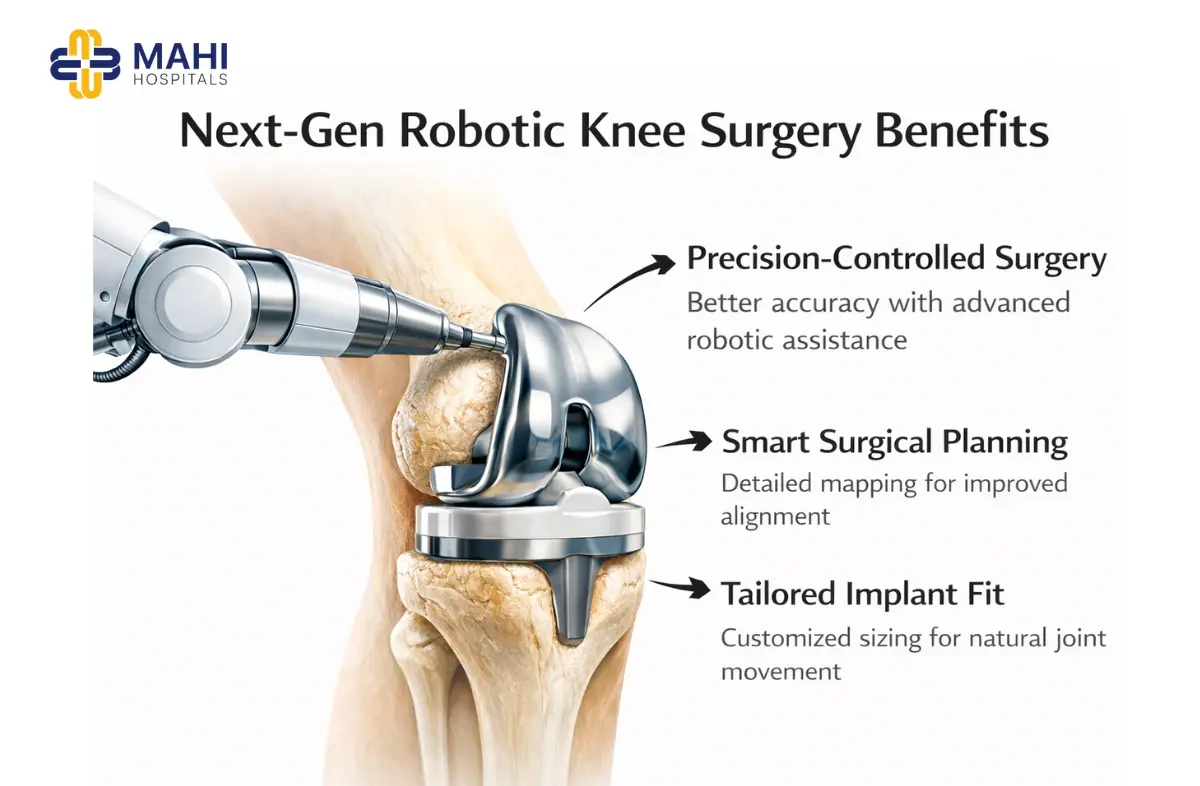
Robotic-assisted knee replacement surgery is an advanced orthopedic procedure that uses cutting-edge robotic technology to enhance the accuracy and outcomes of traditional knee replacement. This technique combines the expertise of an experienced surgeon with precise robotic assistance to replace damaged knee joints with artificial implants. In robotic knee replacement surgery, a robotic arm or system helps the surgeon plan and execute the procedure with exceptional precision. It ensures accurate bone cuts, optimal implant positioning, and minimal damage to surrounding tissues. This approach significantly improves surgical outcomes compared to conventional techniques. For patients seeking robotic knee replacement surgery in Chennai, robotic-assisted procedures offer a safer, more reliable, and highly effective solution for long-term joint health.
Is Robotic Knee Replacement a Modern and Advanced Technology?
Yes, robotic knee replacement is one of the most modern advancements in orthopedic surgery. It represents the integration of digital imaging, artificial intelligence, and precision robotics into surgical practice.
Unlike traditional methods, robotic systems allow surgeons to:
- Create personalized surgical plans
- Visualize the joint in 3D before surgery
- Achieve sub-millimeter accuracy during the procedure
This level of precision makes robotic knee replacement treatment in Chennai a preferred choice for patients who want improved outcomes, reduced complications, and faster recovery.
How Does Robotic Knee Replacement Surgery Work?
Robotic-assisted knee replacement surgery is performed in a highly structured and precise manner:
- Pre-operative planning using advanced imaging like CT scans
- Creation of a personalized surgical plan
- Robotic-assisted execution with real-time guidance
- Continuous monitoring for accuracy and safety
The robot does not perform surgery independently. The procedure is fully controlled by a skilled robotic knee replacement surgeon in Chennai, ensuring expert supervision and precision.
Who is the Right Candidate for Robotic Knee Replacement Surgery?
Robotic knee replacement is recommended for patients suffering from:
- Severe osteoarthritis or rheumatoid arthritis.
- Chronic knee pain affecting daily activities.
- Joint deformities or stiffness.
- Failed previous knee surgeries.
Patients who do not respond to medications or physiotherapy are ideal candidates for robotic knee replacement surgery.
Types of Robotic Knee Replacement Procedures
- Total Robotic Knee Replacement (TKR): Total knee replacement involves replacing the entire knee joint with an artificial implant. It is ideal for patients with severe joint damage affecting all compartments of the knee.
- Partial Robotic Knee Replacement (PKR): Partial knee replacement is recommended when only a specific portion of the knee is damaged. This procedure preserves healthy bone and ligaments, leading to quicker recovery.
- Revision Knee Replacement Surgery: Revision surgery is performed when a previous knee replacement fails due to wear, infection, or implant loosening. Robotic assistance ensures greater accuracy in complex cases.
Key Benefits of Robotic Knee Replacement Surgery
- Minimally Invasive Surgical Approach for Faster Healing: Robotic technology allows for smaller incisions and minimal tissue damage, resulting in reduced blood loss, lower infection risk, and faster healing.
- Precision-Based Implant Positioning for Better Outcomes: Accurate implant placement improves joint function, ensures better alignment, and increases the lifespan of the implant.
- Shorter Recovery Time and Early Mobility: Patients undergoing robotic knee replacement treatment in Chennai often experience faster rehabilitation, early mobility, and shorter hospital stays.
- Higher Patient Satisfaction and Long-Term Results: Improved precision leads to better pain relief, enhanced mobility, and higher patient satisfaction.
How Robotic Technology Improves Surgical Accuracy
- Modern advancements in orthopedic care have transformed the way knee replacement procedures are performed. Today, robotic knee replacement surgery offers a highly precise and personalized approach that helps improve surgical accuracy, implant positioning, and long-term patient outcomes. Unlike conventional techniques, robotic-assisted technology allows surgeons to plan and execute procedures with exceptional precision based on the patient’s unique knee anatomy.For patients considering knee replacement surgery in Chennai, robotic-assisted technology has become an increasingly preferred option due to its accuracy, reduced tissue damage, and faster recovery potential.
AI-Based Surgical Planning
One of the major advantages of robotic knee replacement treatment in Chennai is the use of AI-assisted preoperative planning. Before surgery, detailed imaging scans help create a three-dimensional model of the patient’s knee joint. This enables the surgeon to analyze bone structure, ligament balance, and joint alignment with greater clarity.
The robotic system helps the surgeon plan the exact placement of the implant while minimizing unnecessary bone removal. This personalized planning improves surgical efficiency and enhances long-term implant performance.
Real-Time Precision During Surgery
During robotic knee replacement surgery, the robotic system provides real-time guidance and feedback to the surgeon. The technology continuously tracks knee movement and helps maintain precise alignment throughout the procedure.
It is important to understand that the robotic system does not operate independently. The surgery is fully controlled by an experienced robotic knee replacement surgeon in Chennai who uses robotic assistance to improve accuracy and consistency during the operation.
Customized Implant Positioning
Every patient has a unique knee structure, which is why customized implant positioning plays a critical role in achieving successful outcomes. Robotic systems allow surgeons to place implants with greater precision according to the patient’s anatomy.
Accurate implant positioning helps improve joint stability, natural movement, and overall comfort after surgery. Proper alignment also reduces uneven wear on the implant and may contribute to longer implant longevity.
Improved Joint Alignment
Joint alignment is one of the most important factors influencing the success of knee replacement procedures. Even small alignment errors can affect mobility, comfort, and implant durability over time.
Robotic-assisted surgery helps ensure better mechanical alignment of the knee joint, which can improve walking patterns, reduce postoperative pain, and support faster rehabilitation. Patients undergoing robotic knee replacement treatment in Chennai often benefit from improved functional recovery and enhanced mobility after surgery.
Common Myths About Robotic Knee Replacement
Despite the growing popularity of robotic-assisted procedures, many misconceptions still exist regarding robotic knee replacement surgery. Understanding the facts can help patients make informed decisions about their treatment options.
- Is the Robot Performing Surgery Alone?A common misconception is that the robot independently performs the surgery. In reality, the robotic system is simply an advanced tool that assists the surgeon during the procedure.An experienced robotic knee replacement surgeon in Chennai remains fully in control throughout the operation. The robotic technology provides enhanced precision, real-time feedback, and detailed guidance to support surgical accuracy.
- Is Robotic Surgery Risky?Robotic-assisted procedures are designed to improve safety and precision during surgery. The technology helps surgeons avoid unnecessary damage to surrounding tissues and improves implant placement accuracy.Like any surgical procedure, robotic knee replacement surgery carries certain risks, but advancements in technology and surgical techniques have significantly improved patient safety and outcomes.
- Is Recovery More Painful?Many patients assume robotic surgery involves more pain due to the use of advanced equipment. However, robotic-assisted procedures are often associated with less tissue trauma, reduced inflammation, and improved postoperative comfort.Patients undergoing robotic knee replacement treatment in Chennai may experience faster recovery and earlier mobility compared to traditional surgical methods.
- Are Robotic Procedures Only for Younger Patients?Robotic-assisted knee replacement is suitable for many patients, including elderly individuals suffering from severe arthritis or chronic knee pain. Treatment eligibility depends on the patient’s overall health, joint condition, and medical evaluation rather than age alone.
Step-by-Step Procedure of Robotic Knee Replacement Surgery
Proper preparation before surgery plays a crucial role in ensuring smoother recovery and successful outcomes. Patients undergoing knee replacement surgery in Chennai are usually guided through a comprehensive preoperative assessment process.
- Medical Tests Before Surgery: Before surgery, doctors may recommend several diagnostic tests to evaluate overall health and knee joint condition. These tests commonly include blood investigations, ECG, chest imaging, and detailed knee scans. These evaluations help identify potential risks and assist the surgeon in planning a safe and effective procedure.
- Lifestyle Changes Before Procedure: Certain lifestyle modifications before surgery can help improve recovery and reduce complications. Maintaining healthy blood sugar levels, quitting smoking, managing weight, and staying physically active can support better surgical outcomes. Patients are often encouraged to strengthen surrounding muscles before robotic knee replacement surgery to enhance postoperative mobility.
- Medications to Avoid: Some medications may increase bleeding risk or interfere with anesthesia during surgery. Patients should inform their surgeon about all medications, supplements, and herbal products they are currently taking. The orthopedic team will provide clear guidance regarding medications that should be temporarily stopped before surgery.
- Exercises Before Knee Replacement: Preoperative exercises can help improve muscle strength and flexibility before surgery. Strengthening the thigh and calf muscles may contribute to better rehabilitation after robotic knee replacement treatment in Chennai. Simple low-impact exercises guided by a physiotherapist are commonly recommended before the procedure.
- Preparing Your Home for Recovery: Creating a safe home environment before surgery can make recovery easier and more comfortable. Patients may benefit from arranging support rails, removing obstacles, and organizing frequently used items within easy reach. Proper home preparation helps reduce strain on the knee during the initial recovery period.
Recovery and Rehabilitation After Robotic Knee Replacement Surgery
Recovery is generally faster compared to traditional surgery.
Recovery Timeline: Day-by-Day and Week-by-Week
- Day 1–3: Walking with support
- Week 1–3: Improved mobility
- Week 4–6: Increased strength and flexibility
- 3 Months: Near-normal activity
- 6 Months: Full recovery in most cases.
Recovery and rehabilitation are essential components of successful robotic knee replacement surgery. A structured rehabilitation program helps patients regain mobility, flexibility, and strength after surgery.
- Importance of Physiotherapy: Physiotherapy plays a critical role in restoring knee function after surgery. Guided rehabilitation exercises help improve circulation, reduce stiffness, and strengthen muscles surrounding the joint. Patients who actively participate in physiotherapy often experience improved mobility and faster recovery.
- Exercises for Faster Recovery: Recovery exercises are carefully designed to improve flexibility, muscle strength, and joint movement. These exercises may include ankle movements, knee bends, leg raises, and walking programs. Consistent rehabilitation can help patients return to normal daily activities more comfortably.
- Walking After Knee Replacement: Most patients are encouraged to begin assisted walking shortly after robotic knee replacement surgery. Early movement helps improve blood circulation and reduces the risk of postoperative complications. Walking gradually improves confidence, balance, and independence during recovery.
- Regaining Knee Flexibility: Improving knee flexibility is an important goal during rehabilitation. Stretching exercises and guided therapy help patients achieve better range of motion and smoother knee movement over time.
- Long-Term Rehabilitation Goals: Long-term rehabilitation focuses on restoring strength, stability, and overall joint function. Patients are encouraged to maintain regular physical activity and follow medical guidance to protect the knee implant and support long-term mobility.
Diet and Nutrition for Faster Recovery
Nutrition plays an important role in healing and recovery after knee replacement surgery in Chennai. A balanced diet supports tissue repair, bone health, and immune function during the recovery period.
- Foods That Support Bone Healing: Calcium-rich foods, leafy vegetables, nuts, dairy products, and protein-rich meals can support bone strength and tissue repair after surgery.
- Protein Intake After Surgery: Protein is essential for muscle recovery and wound healing. Adequate protein intake may help improve strength and accelerate postoperative recovery.
- Importance of Hydration: Maintaining proper hydration supports circulation, digestion, and overall healing after robotic knee replacement surgery.
- Vitamins for Joint Recovery: Vitamins such as Vitamin D, Vitamin C, and Vitamin K contribute to bone health, collagen formation, and immune support during recovery.
- Foods to Avoid After Knee Surgery: Patients may be advised to limit processed foods, excessive sugar, alcohol, and high-sodium meals that can increase inflammation and delay recovery.
Risks and Complications of Robotic Knee Replacement
Robotic knee replacement surgery is considered safe and highly advanced, but like any surgical procedure, it carries certain risks. The advantage of robotic technology is that it significantly reduces these risks through precise planning and controlled execution.
Some possible complications include:
- Infection: Although rare, infections can occur at the surgical site. Modern sterile techniques, antibiotics, and minimally invasive approaches greatly reduce this risk.
- Blood Clots: There is a small risk of clot formation after surgery. Early mobilization, medications, and physiotherapy help prevent this.
- Implant-Related Issues: Over time, implants may wear out or loosen, especially with high activity levels. Robotic precision helps ensure accurate placement, improving implant longevity.
- Stiffness or Limited Motion: Some patients may experience temporary stiffness, which usually improves with guided rehabilitation and exercises.
- Nerve or Tissue Sensitivity: Mild numbness or sensitivity around the surgical area can occur but often resolves gradually.
The overall complication rate is lower compared to conventional techniques when the procedure is performed by a skilled robotic knee replacement surgeon in Chennai. Proper pre-surgical evaluation, advanced technology, and post-operative care all contribute to safer outcomes and smoother recovery.
Robotic vs Traditional Knee Replacement – Which is More Effective?
| Feature | Robotic Knee Replacement Surgery | Traditional Knee Replacement |
| Precision | High accuracy with robotic assistance | Manual accuracy (varies) |
| Surgical Planning | Personalized 3D planning | Standard planning |
| Tissue Damage | Minimal | More compared to robotic |
| Recovery Time | Faster recovery and early mobility | Slower recovery |
| Implant Positioning | Highly accurate and consistent | May vary |
| Pain & Discomfort | Generally less | Comparatively more |
| Implant Longevity | Longer lifespan due to precision | Moderate lifespan |
| Outcome Consistency | Highly predictable | Less consistent |
Overall, robotic knee replacement surgery offers improved precision, faster recovery, and better long-term outcomes, making it a preferred option for many patients.
Cost of Robotic Knee Replacement Surgery in Chennai
The cost of robotic knee replacement surgery in Chennai is based on several factors such:
Factors Affecting the Cost of Surgery
- Type of implant
- Hospital facilities
- Surgeon’s expertise
- Case complexity
- Duration of hospital stay
Insurance and Financing Options
Most insurance plans cover knee replacement surgery in Chennai. Hospitals also provide EMI options and financial assistance.
Why Choose Our Hospital for Robotic Knee Replacement in Chennai
Chennai is known for its advanced healthcare infrastructure, experienced surgeons, affordable treatment, and high success rates, making it a preferred destination for robotic knee replacement treatment.
MAHI Hospitals offers a advanced robotic technology, personalized care, and excellent treatment outcomes. Dr. Vijay Kumar Sohanlal is a highly experienced orthopedic specialist and a leading robotic knee replacement surgeon in Chennai at MAHI Hospitals. He is known for precision-driven surgeries and successful patient outcomes. Our hospital is a trusted robotic knee replacement hospital in Chennai, providing world-class care with a patient-centric approach.
Conclusion
Robotic-assisted knee replacement surgery is transforming joint care with enhanced precision, faster recovery, and improved long-term outcomes. It is an ideal solution for patients suffering from severe knee pain and mobility issues. Choosing the right hospital and surgeon plays a crucial role in treatment success. At MAHI Hospitals, advanced technology and expert care come together to deliver the best results. Take the first step towards a pain-free life with advanced robotic knee replacement treatment in Chennai.
Frequently Asked Questions
Yes, robotic knee replacement surgery is considered highly safe when performed by experienced surgeons using advanced technology. The robotic system enhances precision, reducing the risk of human error during the procedure. It allows accurate implant placement and better alignment of the knee joint. Minimally invasive techniques also reduce complications like blood loss and infection. With proper pre-operative evaluation and post-operative care, the success rate is very high.
Recovery after robotic knee replacement is generally faster compared to traditional surgery. Most patients begin walking with support within 24 hours after the procedure. Significant improvement in mobility is usually seen within 3 to 6 weeks. Complete recovery may take around 2 to 3 months depending on the patient’s condition.
Regular physiotherapy and following medical advice are key to a smooth recovery.
Robotic surgery offers several advantages over traditional knee replacement methods. It provides higher precision in bone cutting and implant positioning. This leads to better joint alignment and improved long-term outcomes.
Patients often experience less pain, reduced tissue damage, and quicker recovery. Overall, robotic-assisted surgery is considered more advanced and effective.
A knee implant used in robotic knee replacement is designed to be durable and long-lasting. On average, implants can last between 15 to 20 years or even longer. The lifespan depends on factors like age, activity level, and body weight. Accurate placement using robotic technology helps increase implant longevity. Following post-surgery care and maintaining a healthy lifestyle can extend its life.
Related Blogs
Latest Health Vlog Updates
Watch expert healthcare videos, medical insights, and wellness tips to stay informed and healthy.
Mahi Hospitals Blasters are the Champions of Apna Club cricket premier league (ACCPL) 2026
மூட்டு மாற்று அறுவை சிகிச்சைக்கு பயமா? உண்மையை தெரிந்து கொள்ளுங்கள்! | Dr. Vijay Sohanlal
Been Advised Knee Replacement? Get a Free Second Opinion Before You Decide.
Knee Implant குறித்து பயமா?? இந்த Video-a பாருங்க!
Smart hip replacement, Bipolar Hemiarthroplasty, Partial hip replacement, Dr Vijay kumar sohanlal
Fracture neck of femur and different surgeries | Total hip replacement | Bipolar hemiarthroplasty,
Fracture neck of femur and its treatment | Total hip replacement | Bipolar Hemiarthroplasty
Arthritis of Knee joint | Osteoarthritis | Mahi clinic | Dr Vijay Sohanlal | Total knee replacement
Arthritis of knee joint | Knee arthritis | Stages of knee arthritis | Total knee arthroplasty |
Knee strengthening exercise | knee pain | Dr Vijay sohanlal | Bilateral total knee replacement
Meniscal ligament tear and treatment | knee pain | knee arthroscopy | Meniscus | Dr Vijay sohanlal
Bilateral total Knee Replacement | Dr Vijay Kumar Sohanlal | TKR | Mahi clinic Chennai | mgm
Revision knee replacement in an agriculturist
Benefits of Platelet Rich Plasma (PRP) Injections! | Dr. Vijay Kumar Sohanlal
Waking up with Neck Pain? | Dr. Vijay Kumar Sohanlal
Steroids and Hip Pain! | Dr. Vijay Kumar Sohanlal
Need Help With Our Services?
Fill out the form and our patient care coordinators will get back to you within 24 hours to assist with appointments, queries, or any guidance you need.