
Knee pain is one of the most common problems that older adults deal with every day. Simple things like climbing stairs, walking to the kitchen, or getting up from a chair can feel difficult and tiring. If you or someone in your family is going through this, you are not alone. Millions of people above the age of 60 face knee pain due to natural wear and tear of joints.
The good news is that the best medicine for knee pain in old age is now easier to access than ever before. Whether it is through medication, physiotherapy, natural remedies, or lifestyle changes, there are many effective options available. At Mahi Hospitals, our expert doctors work closely with every patient to find the right solution that suits their age, health condition, and lifestyle. This page will walk you through everything you need to know about managing and treating knee pain in a safe and practical way.
Understanding Knee Pain in Old Age
Before you start any treatment, it helps to understand what is actually happening inside your knee. Knee pain does not happen overnight. It builds up over years due to many different reasons. Knowing the cause helps doctors choose the right medicine and the right treatment plan for you.
Common Causes of Knee Pain in Seniors
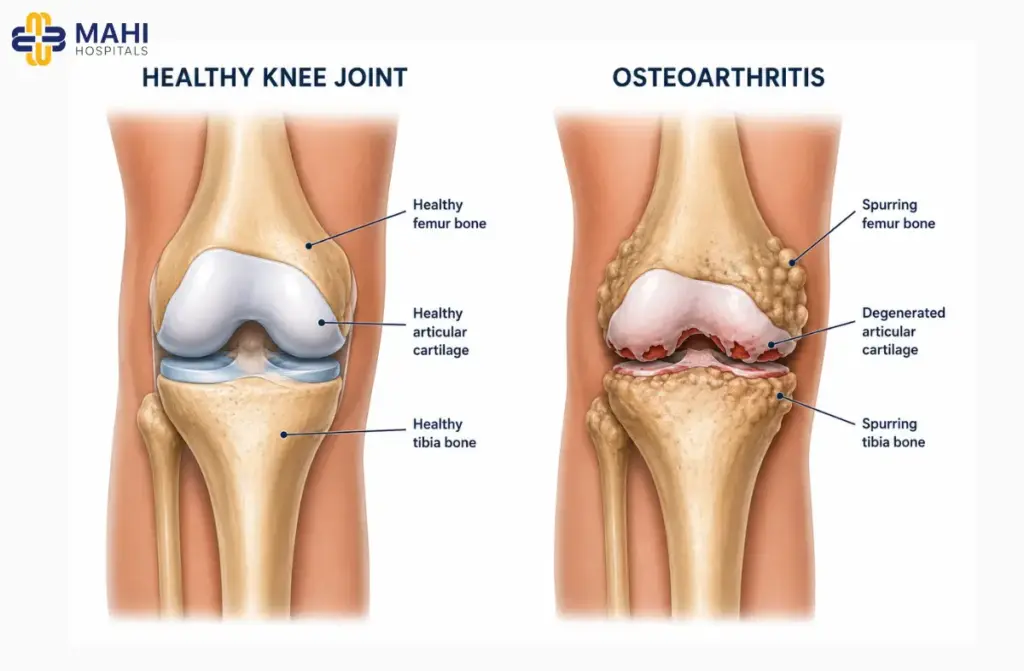
There are several reasons why knee pain becomes more common as we age. The most frequent cause is osteoarthritis, which happens when the cartilage inside the knee joint slowly wears away. Cartilage acts as a cushion between the bones, so when it gets thin, the bones rub against each other and cause pain.
- Osteoarthritis — gradual breakdown of cartilage in the knee joint
- Rheumatoid arthritis — an autoimmune condition that causes joint inflammation
- Old injuries like ligament tears or fractures that were not fully healed
- Bursitis — swelling of the fluid-filled sacs around the knee
- Gout — uric acid crystals that settle in the knee joint
- Excess body weight putting pressure on the knees over many years
Symptoms That Should Not Be Ignored
Some knee symptoms are mild and come and go. But certain signs tell you that the problem needs proper medical attention. At Mahi Hospitals, our doctors always advise patients to take these symptoms seriously rather than waiting for things to get worse.
- Pain that does not go away even after rest
- Swelling or warmth around the knee joint
- Clicking or grinding sounds when you move your knee
- Difficulty straightening or bending the knee fully
- Feeling unstable or wobbly when you stand or walk
- Knee pain at night that disturbs your sleep
How Aging Affects Knee Joints
As we grow older, the body goes through natural changes. The cartilage in the knee becomes thinner and less flexible. The muscles around the knee lose strength, which means less support for the joint. Bone density also decreases, which can increase the risk of fractures. Synovial fluid, which lubricates the joint, also reduces with age. All of these changes together make the knee more vulnerable to pain and damage. Understanding this helps you see why consistent care and the right treatment make such a big difference.
Best Medicines for Knee Pain in Old Age
When it comes to finding the best medicine for knee pain in old age, there is no one-size-fits-all answer. The right medicine depends on the cause of pain, the severity, and the patient’s overall health. Mahi Hospitals follows a thorough examination process before prescribing any medication to ensure safety and effectiveness.
Over-the-Counter Pain Relievers
For mild to moderate knee pain, over-the-counter medicines are usually the first step. These are medicines you can buy at a pharmacy without a doctor’s prescription. Paracetamol is the most commonly used one. It reduces pain without causing major side effects when taken in the right dose. NSAIDs like ibuprofen and naproxen also help reduce inflammation along with pain. However, these should be used with caution in elderly patients as they can sometimes affect the stomach, kidneys, or heart with prolonged use.
Prescription Medicines for Severe Knee Pain
When over-the-counter medicines are not enough, doctors may prescribe stronger options. These include higher-dose NSAIDs, muscle relaxants, or medicines that target the underlying cause like rheumatoid arthritis medicines. In some cases, short-term opioid-based pain relievers may be given, though these are carefully monitored. At Mahi Hospitals, prescription medicines are always given with clear instructions and regular follow-up to track progress and avoid complications.
Topical Creams and Gels for Joint Relief
Topical treatments are applied directly to the skin over the painful area. They are a great option for elderly patients who want to avoid taking too many tablets. Diclofenac gel is a popular prescription topical NSAID that reduces local inflammation. Capsaicin cream, which comes from chili peppers, works by reducing pain signals from the nerve endings. These creams and gels carry fewer side effects than oral medicines and can be used alongside other treatments for better relief.
Supplements for Knee Joint Health
Supplements are not medicines in the traditional sense, but they play an important supporting role in joint health. Glucosamine and chondroitin are two of the most studied supplements for knee cartilage support. Omega-3 fatty acids help reduce inflammation naturally. Vitamin D and calcium are important for bone strength and are especially needed by elderly patients. Collagen supplements are also gaining attention for their role in maintaining joint flexibility. Mahi Hospitals recommends supplements only after checking the patient’s nutritional status to avoid unnecessary or excessive intake.
Ayurvedic and Herbal Medicines for Knee Pain
Many elderly patients prefer natural and herbal options as part of their treatment. Ayurvedic medicines like Shallaki (Boswellia), Ashwagandha, and Guggul have been used for centuries to manage joint pain and inflammation. Turmeric, which contains curcumin, is widely known for its anti-inflammatory properties and can be consumed as part of food or as a supplement. These herbal options can work well alongside conventional medicines when advised by a qualified doctor. Mahi Hospitals offers integrated treatment plans that combine modern medicine with safe and proven Ayurvedic approaches.
Best Pain Relief Medicines Recommended by Doctors
At Mahi Hospitals, our orthopedic specialists carefully evaluate each patient before recommending any medicine. The goal is always to give maximum pain relief with minimum side effects. Here is a breakdown of the main categories of medicines that doctors commonly recommend for knee pain in old age.
Paracetamol for Mild Knee Pain
Paracetamol remains the safest and most widely recommended starting point for knee pain in elderly patients. It works by blocking pain signals in the brain without targeting inflammation directly. This makes it gentler on the stomach compared to NSAIDs. Doctors usually recommend 500 mg to 1000 mg doses, not exceeding 4 grams per day. For patients with liver conditions, the dose may be adjusted. Despite being a simple medicine, paracetamol is highly effective for managing day-to-day knee pain when taken consistently and correctly.
NSAIDs for Inflammation and Swelling
Non-steroidal anti-inflammatory drugs, commonly known as NSAIDs, are prescribed when there is visible swelling, warmth, or significant inflammation around the knee. Ibuprofen, naproxen, and diclofenac are among the most commonly used. They work by blocking certain chemicals in the body that cause inflammation and pain. For elderly patients, doctors usually prescribe the lowest effective dose for the shortest possible time. A stomach-protecting medicine called a proton pump inhibitor is often given alongside NSAIDs to protect the digestive system.
Corticosteroid Injections for Severe Arthritis
When oral medicines are not providing enough relief, corticosteroid injections given directly into the knee joint can produce fast and significant results. These injections reduce inflammation quickly and can provide relief for several weeks or even months. Doctors at Mahi Hospitals use precise techniques to administer these injections safely. They are not a permanent solution but work very well as part of a broader treatment plan, especially during flare-ups of arthritis where movement becomes very restricted.
Hyaluronic Acid Injections for Joint Lubrication
Hyaluronic acid is a substance naturally found in joint fluid. As we age, the concentration of hyaluronic acid in the knee joint decreases, leading to friction and pain. Injecting hyaluronic acid directly into the knee restores lubrication and cushioning. This treatment is called viscosupplementation. Many patients experience reduced pain and improved mobility for up to six months after a course of injections. It is a good option for patients with moderate osteoarthritis who are not yet ready for surgery.
Natural Remedies Along with Medicines
Medicines alone do not give the best results. Natural remedies for knee pain in old age, when combined with proper medical treatment, can significantly speed up recovery and improve quality of life. These are safe, simple, and can be easily followed at home.
Hot and Cold Therapy
Hot and cold therapy is one of the oldest and most effective home remedies for knee pain. Applying a warm compress or heating pad to the knee relaxes the muscles and increases blood flow to the area, which promotes healing. Cold therapy, using an ice pack wrapped in a cloth, reduces swelling and numbs sharp pain after activity. A common approach is to use cold therapy in the first 48 hours after a flare-up, then switch to heat. Most doctors recommend sessions of 15 to 20 minutes at a time, two to three times a day for best results.
Knee Strengthening Exercises for Seniors
Exercise is one of the most powerful tools for managing knee pain. Many people think rest is best, but gentle movement actually helps keep the joint functional. Exercise for knee pain in old age should focus on building the muscles around the knee so they can better support the joint.
- Straight leg raises — lie flat and lift one leg at a time to strengthen the quadricep
- Wall squats — a safe way to build leg strength without putting too much pressure on the knee
- Heel and calf raises — improve circulation and ankle stability which supports the knee
- Seated leg extensions — easy to do from a chair, great for building quad strength
- Short walking sessions — even 10 to 15 minutes daily makes a big difference over time
Always start slowly and stop if you feel sharp pain. A physiotherapist at Mahi Hospitals can create a personalised exercise plan suited to your fitness level.
Weight Management for Joint Relief
Every extra kilogram of body weight puts roughly four times more pressure on the knee joints when walking. For an elderly person who is even slightly overweight, this adds up to a huge burden over time. Even a small reduction in body weight can lead to a noticeable decrease in knee pain. Mahi Hospitals has a team that includes dieticians who work alongside orthopaedic doctors to create realistic and safe weight management plans for senior patients. The goal is not dramatic weight loss but gradual, sustainable improvement that the body can handle comfortably.
Foods That Help Reduce Joint Pain
What you eat has a direct effect on inflammation in your body. Some foods actively help reduce joint pain while others can make it worse. Including the right foods in your daily diet is an easy and powerful way to support knee health.
- Turmeric and ginger — both have strong anti-inflammatory properties when added to food
- Fatty fish like salmon and mackerel — rich in omega-3 fatty acids that reduce joint inflammation
- Leafy greens like spinach and kale — high in antioxidants that protect joint tissue
- Nuts and seeds — provide healthy fats and minerals that support bone and joint health
- Dairy products and calcium-rich foods — help maintain bone density in older adults
- Avoid processed foods, excess sugar, and fried items as they promote inflammation
How to Choose the Right Medicine for Knee Pain
Choosing the right medicine is not something to do on your own. The best medicine for knee pain in old age varies from person to person. What works well for one patient may not be suitable for another. This is why consulting a qualified doctor is always the safest and most effective approach.
Factors to Consider Before Taking Painkillers
Before starting any painkiller, it is important to consider your overall health history. Elderly patients often have other conditions like high blood pressure, diabetes, or kidney problems. Many painkillers can interfere with these conditions or with other medicines being taken. The duration of pain also matters — a short-term injury needs different treatment than a chronic condition like osteoarthritis. Your doctor will also consider your kidney and liver function before prescribing NSAIDs or other strong medicines. At Mahi Hospitals, a full medical review is done before any prescription is given.
Side Effects of Long-Term Medication Use
Most medicines are safe when used correctly and for the right duration. However, long-term use of some medicines can lead to side effects that need monitoring.
- Long-term NSAIDs can affect the stomach lining and increase risk of ulcers or bleeding
- Extended use of corticosteroids may lead to bone thinning (osteoporosis) and raised blood sugar
- Some opioid-based medicines can cause dependence and should only be used under strict medical supervision
- Paracetamol in large doses over a long period can stress the liver
Regular check-ups with your doctor ensure that any side effects are caught early and managed properly. Mahi Hospitals schedules follow-up appointments to keep track of how your treatment is working.
When to Consult a Doctor
Many people try to manage knee pain at home for too long before seeing a doctor. While mild pain can be managed with rest and simple remedies, certain situations call for prompt medical attention. You should visit a doctor if your knee pain has lasted more than two weeks without improvement, if you notice significant swelling or bruising, if your knee gives way while walking, or if the pain wakes you up at night regularly. Early treatment always gives better results and prevents minor issues from becoming major ones.
Prevention Tips for Knee Pain in Old Age
Prevention is always better than cure. With the right daily habits and awareness, it is possible to slow down the progression of knee problems and stay active well into old age. Mahi Hospitals places a strong emphasis on patient education as part of our overall care approach.
Daily Habits to Protect Knee Joints
Small daily habits make a big difference over time. Avoid sitting or standing in one position for too long. Take short breaks to stretch your legs every 30 to 45 minutes. Use supportive footwear and avoid sitting cross-legged on the floor for extended periods. Climbing stairs slowly and holding the railing is safer than rushing. These simple adjustments reduce unnecessary stress on the knees every single day.
Best Exercises for Elderly People
The best exercises for elderly people with knee problems are low-impact ones that build strength without causing stress to the joint. Swimming and water aerobics are excellent because the water takes pressure off the joints. Cycling on a stationary bike improves knee mobility and leg strength. Yoga, particularly gentle or chair yoga, improves flexibility and balance. Walking on flat ground with proper footwear is perhaps the most accessible and beneficial exercise of all for seniors.
Importance of Proper Footwear
Footwear plays a bigger role in knee health than most people realise. Wearing flat, hard-soled shoes or walking barefoot on hard floors puts extra pressure on the knees. Good shoes with cushioned soles, arch support, and a non-slip grip absorb shock and distribute body weight more evenly. Orthopaedic footwear, sometimes recommended by doctors, can correct the way you walk and significantly reduce knee strain. Mahi Hospitals often refers patients to a specialist for footwear advice as part of a comprehensive knee care plan.
Maintaining Bone and Joint Health
Strong bones and healthy joints do not happen by accident. They require regular attention through nutrition, activity, and medical check-ups. Getting enough calcium and vitamin D is essential, especially since vitamin D deficiency is extremely common in older adults and directly affects bone strength. Avoiding smoking and excessive alcohol is also important as both reduce bone density over time. Yearly bone density scans are recommended for people above the age of 60 so that problems can be caught and addressed early.
Why Choose Mahi Hospitals for Knee Pain Treatment
At Mahi Hospitals, we understand that knee pain affects not just your physical health but your independence and confidence too. Our team of experienced orthopaedic doctors, physiotherapists, and support staff work together to give you the most effective, personalised care possible. Whether you need medicine, physiotherapy, injections, or surgical advice, we have the expertise and the facilities to help you at every stage of your treatment journey.
If you or a loved one is looking for the best medicine for knee pain in old age, do not wait for the pain to get worse. Reach out to Mahi Hospitals today. Early action leads to better outcomes, faster recovery, and a more active, pain-free life.
Conclusion
Knee pain is a common issue in old age, mainly caused by joint wear and tear, arthritis, or weak muscles. The good news is that it can be managed effectively with the right medicines, exercises, healthy diet, weight control, and proper medical care. Treatments like pain relievers, physiotherapy, injections, and natural remedies can help reduce pain and improve movement. Early treatment and regular care are important to maintain an active and comfortable lifestyle. At Mahi Hospitals, expert doctors provide personalised treatment plans to help seniors manage knee pain safely and effectively.