
Effective Ways to Relieve Pain and Improve Mobility
“Healthy knees support every step you take. Taking care of them today can help you stay active and pain-free tomorrow.”
Why Knee Joint Pain is So Common
Knee joint pain affects millions of people worldwide and can occur at any age. Whether caused by aging, arthritis, injuries, obesity, overuse, or poor posture, knee pain can significantly impact daily activities such as walking, climbing stairs, exercising, and even sitting comfortably. Understanding how to reduce knee joint pain is the first step toward restoring mobility and improving quality of life.
Key Statistics About Knee Joint Pain
• Global prevalence of knee pain and joint disorders
• Rising cases linked to sedentary lifestyles and obesity
• Increasing number of younger adults experiencing knee problems
• Impact of chronic knee pain on daily productivity
• Economic burden of knee-related healthcare treatments
Understanding the Knee Joint
What is the Knee Joint?
The knee is the largest and one of the most important weight-bearing joints in the human body. It enables walking, running, jumping, climbing stairs, and many other movements.
Main Components of the Knee
• Femur (thigh bone)
• Tibia (shin bone)
• Patella (kneecap)
• Articular cartilage
• Meniscus
• Ligaments
• Tendons
• Synovial fluid
How the Knee Absorbs Body Weight
Every step places significant pressure on the knee. During activities like climbing stairs or running, this pressure increases dramatically, making proper knee health essential.
Types of Knee Joint Pain
• Inner knee pain (medial knee pain)
• Outer knee pain (lateral knee pain)
• Front knee pain (patellofemoral pain)
• Pain behind the knee
• Acute knee pain
• Chronic knee pain
• Pain during movement
• Pain while resting
Quick Comparison of Different Types of Knee Pain
| Type of Pain | Common Location | Possible Causes |
|---|---|---|
| Inner Knee Pain | Inside of the knee | Arthritis, ligament injury |
| Outer Knee Pain | Outside of the knee | IT band syndrome |
| Front Knee Pain | Around the kneecap | Patellar problems |
| Back Knee Pain | Behind the knee | Baker’s cyst, tendon issues |
| Acute Pain | Sudden onset | Injury or trauma |
| Chronic Pain | Long-term discomfort | Arthritis, joint degeneration |
Who is Most at Risk of Knee Joint Pain?
- Older Adults: Natural wear and tear increase the likelihood of cartilage degeneration and arthritis.
- Athletes and Active Individuals: Repeated stress on the knee can contribute to injuries and overuse conditions.
- Overweight and Obese Individuals: Excess body weight significantly increases stress on knee joints.
- People With Previous Knee Injuries: Past ligament tears or fractures often raise the risk of future knee problems.
- Workers With Repetitive Knee Movements: Occupations requiring kneeling, squatting, or heavy lifting may contribute to chronic knee pain.
- Women and Hormonal Influences: Hormonal changes and anatomical differences can increase susceptibility to certain knee conditions.
Common Causes of Knee Joint Pain
- Osteoarthritis: The gradual breakdown of cartilage leads to bone-on-bone friction, pain, stiffness, and reduced mobility.
- Rheumatoid Arthritis: An autoimmune condition that causes inflammation and damage within the joints.
- Ligament Injuries: ACL, MCL, PCL, and LCL injuries commonly occur during sports and sudden twisting movements.
- Meniscus Tears: The meniscus acts as a shock absorber. Tears can cause pain, swelling, and joint locking.
- Tendinitis: Overuse of the knee may cause inflammation of tendons.
- Bursitis: Inflammation of fluid-filled sacs around the knee often causes swelling and discomfort.
Muscle Weakness and Imbalances
- Weak muscles fail to support the knee effectively, increasing joint stress.
- Poor Posture and Movement Patterns.
- Incorrect walking, standing, or exercise techniques may place unnecessary strain on the knee.
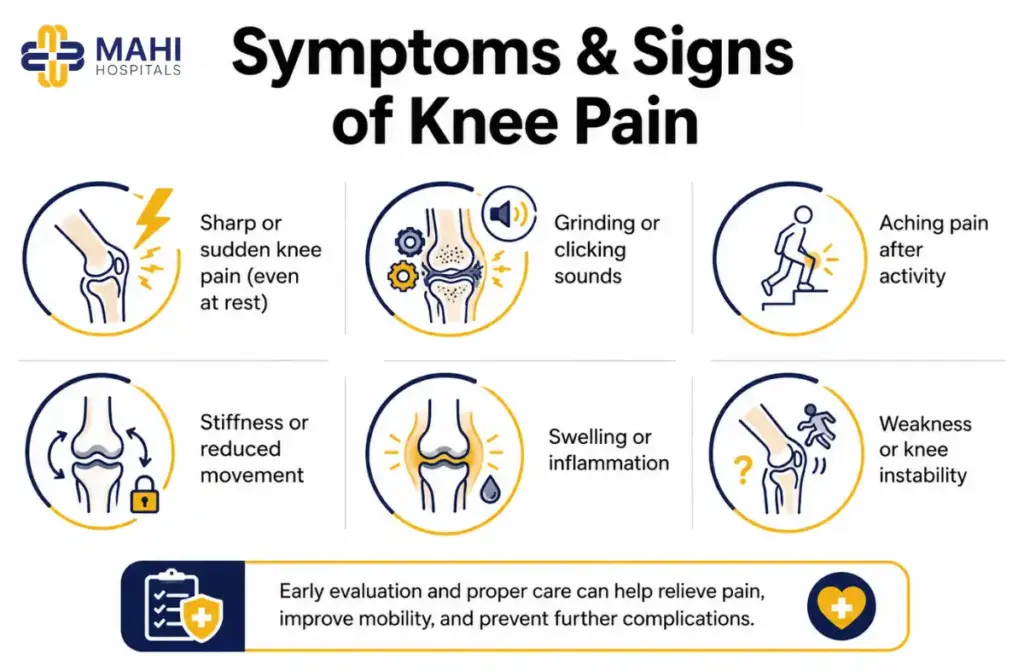
Symptoms That Often Accompany Knee Pain
• Swelling
• Stiffness
• Redness and warmth
• Clicking or popping sounds
• Difficulty walking
• Reduced range of motion
• Knee instability
• Pain during activity
• Pain while resting
How Doctors Diagnose Knee Joint Pain
- Physical Examination: Doctors assess movement, swelling, stability, and pain location.
- Medical History Review: Understanding previous injuries, activity levels, and symptoms helps identify possible causes.
- Diagnostic Tests:
- X-rays
- MRI scans
- CT scans
- Ultrasound imaging
- Blood tests
- Joint fluid analysis
Quick 7-Step Plan to Reduce Knee Joint Pain
1. Rest the knee and avoid aggravating activities.
2. Apply ice for 15–20 minutes several times daily.
3. Use compression and elevation to reduce swelling.
4. Perform gentle stretching exercises.
5. Wear supportive footwear.
6. Maintain a healthy body weight.
7. Seek medical advice if symptoms continue.
How to Reduce Knee Joint Pain Naturally
Rest and Activity Modification: Allowing the knee time to recover can reduce irritation and inflammation.
- Ice Therapy for Inflammation: Cold therapy helps numb pain and reduce swelling.
- Heat Therapy for Stiffness: Warmth improves blood circulation and relaxes surrounding muscles.
- Elevation and Compression: These methods help control swelling and improve recovery.
- Maintaining Proper Posture: Correct posture distributes weight evenly across joints.
- Using Supportive Footwear: Proper shoes improve alignment and reduce knee stress.
- Avoiding Prolonged Sitting: Long periods of inactivity can increase stiffness and discomfort.
- Gentle Daily Movement: Regular movement helps maintain flexibility and circulation.
- Stress Management Techniques: Chronic stress can increase inflammation and pain perception.
Best Exercises to Reduce Knee Joint Pain
- Straight Leg Raises: Strengthen the quadriceps without placing excessive pressure on the knee.
- Hamstring Stretches: Improve flexibility and reduce strain on the joint.
- Quadriceps Strengthening: Strong quadriceps help stabilize the knee.
- Calf Raises: Enhance lower-leg support and balance.
- Wall Sits: Build muscular endurance around the knee.
- Step-Ups: Improve strength and functional mobility.
- Swimming and Water Therapy: Water supports body weight, reducing joint stress.
- Cycling: Encourages movement while minimizing impact.
- Walking for Knee Health: Moderate walking promotes joint lubrication and circulation.
Foods That Help Reduce Knee Joint Pain
Nutrition can play a powerful role in reducing inflammation and supporting joint health.
Best Foods for Healthy Knees
| Food | Benefit |
|---|---|
| Fatty Fish | Omega-3 fatty acids help reduce inflammation |
| Leafy Greens | Rich in antioxidants that support joint health |
| Berries | Help combat oxidative stress and inflammation |
| Nuts and Seeds | Provide healthy fats, protein, and essential nutrients |
| Olive Oil | Contains anti-inflammatory compounds |
| Turmeric | Contains curcumin, known for its anti-inflammatory effects |
| Ginger | Supports inflammation control and joint comfort |
| Vitamin D Foods | Promote bone strength and overall skeletal health |
| Calcium-Rich Foods | Help strengthen bones and support joint function |
Foods to Avoid for Better Knee Health
• Processed foods
• Sugary beverages
• Excess salt
• Refined carbohydrates
• Fried foods
• Excessive alcohol
The Importance of Weight Management
How Excess Weight Affects the Knees
Extra body weight increases pressure on knee joints during walking, standing, and climbing stairs.
Benefits of Losing Weight
• Reduced pain
• Improved mobility
• Less inflammation
• Better joint function
• Lower arthritis risk
Traditional Methods to Reduce Knee Joint Pain
- Hot Water Fomentation
- May improve blood flow and reduce stiffness.
- Turmeric Milk
Best and Worst Activities for Knee Pain
Choosing the right activities can significantly improve recovery and reduce stress on the knee joint.
| Best Activities for Knee Health | Activities That May Aggravate Knee Pain |
|---|---|
| Swimming | Jumping exercises |
| Water Aerobics | Sprinting |
| Cycling | Running on hard surfaces |
| Walking on Flat Surfaces | Deep Squats |
| Gentle Yoga | High-Impact Sports |
| Elliptical Training | Repetitive Jumping Workouts |
| Stretching Exercises | Sudden Twisting Movements |
Traditionally used to support joint comfort
- Herbal Oil Massage: Can promote relaxation and temporary pain relief.
- Epsom Salt Soaks: Often used to soothe muscles and reduce soreness.
- Yoga and Gentle Stretching: Improve flexibility, balance, and mobility.
How to Sleep Comfortably with Knee Joint Pain
Best Sleeping Positions
• Sleeping on your back with a pillow under the knees
• Side sleeping with a pillow between the knees
Positions to Avoid
• Sleeping on the stomach
• Twisted sleeping positions
Additional Sleep Tips
• Choose a supportive mattress
• Stretch gently before bedtime
• Maintain a consistent sleep schedule
Medical Treatments for Knee Joint Pain
• Pain-relieving medications
• Anti-inflammatory drugs
• Physical therapy
• Knee braces
• Corticosteroid injections
• Hyaluronic acid injections
• Platelet-rich plasma (PRP) therapy
• Regenerative treatments
Comparison of Common Knee Pain Treatments
| Treatment | Best For | Recovery Time |
|---|---|---|
| Physical Therapy | Mild to moderate knee pain and mobility issues | Several weeks |
| Medication | Short-term symptom and pain relief | Immediate |
| Injections | Arthritis-related knee pain and inflammation | Days to weeks |
| PRP Therapy | Soft tissue injuries and certain tendon conditions | Weeks |
| Surgery | Severe joint damage or advanced arthritis | Months |
New Advances in Knee Pain Treatment
• Stem cell therapy
• Advanced PRP procedures
• Robotic-assisted orthopedic surgery
• Biologic therapies
• Personalized rehabilitation programs
• Emerging regenerative medicine techniques
When Knee Pain Requires Surgical Treatment
Surgery may become necessary when conservative treatments fail.
Common Surgical Procedures
• Ligament reconstruction
• Meniscus repair
• Cartilage restoration
Knee Joint Pain vs Arthritis: What’s the Difference?
| Knee Joint Pain | Arthritis |
|---|---|
| A symptom | A disease |
| May have many causes | A specific joint condition |
| Can be temporary | Often chronic and progressive |
| May result from injury, overuse, or inflammation | Commonly caused by joint degeneration or autoimmune conditions |
| Treatment depends on the underlying cause | Requires ongoing management and treatment |
| Pain may improve with rest and therapy | Symptoms often worsen without proper care |
Lifestyle Changes That Help Reduce Knee Joint Pain
• Staying physically active
• Improving flexibility
• Strength training
• Maintaining healthy body weight
• Wearing supportive footwear
• Improving workplace ergonomics
• Managing stress
• Improving sleep quality
What Happens if Knee Pain Is Left Untreated?
Ignoring knee pain may lead to:
• Progressive cartilage damage
• Increased inflammation
• Reduced mobility
• Muscle weakness
• Joint deformity
• Increased fall risk
• Reduced quality of life
Complications of Different Knee Conditions
• Osteoarthritis progression
• Chronic inflammation
• Ligament instability
• Meniscus degeneration
• Reduced independence
• Increased disability risk
How Long Does it Take to Reduce Knee Joint Pain?
Recovery Timelines
| Condition | Typical Recovery Time |
|---|---|
| Mild Strain | Few days to a few weeks |
| Tendinitis | Several weeks |
| Meniscus Injury | Weeks to several months |
| Ligament Injury | Several months, depending on severity |
| Osteoarthritis | Requires long-term management rather than a fixed recovery period |
Factors That Affect Recovery
• Age
• Overall health
• Weight
• Severity of condition
• Treatment consistency
How to Prevent Future Knee Joint Pain
• Warm up before exercise
• Stretch regularly
• Strengthen supporting muscles
• Increase activity gradually
• Maintain proper exercise form
• Protect knees during sports
• Maintain healthy body weight
• Follow long-term joint care habits
Daily Knee Care Routine for Long-Term Relief
A consistent daily routine can help reduce knee pain, improve flexibility, and prevent future problems.
Morning Routine
• Gentle stretching exercises
• Five to ten minutes of walking
• Light mobility exercises
• Proper hydration
Afternoon Routine
• Avoid prolonged sitting
• Maintain proper posture
• Take short movement breaks every hour
• Wear supportive footwear
Evening Routine
• Strengthening exercises
• Gentle stretching
• Ice therapy for swelling if needed
• Heat therapy for stiffness
• Relaxation techniques before sleep
Following a daily knee care routine can improve joint function and reduce pain over time.
Early Warning Signs Knee Pain is Getting Worse
Recognizing worsening symptoms early can help prevent long-term joint damage.
Warning Signs to Watch For
• Increasing pain intensity
• Swelling that does not improve
• Difficulty walking longer distances
• Reduced range of motion
• Frequent knee buckling or instability
• Knee locking during movement
• Pain that interrupts sleep
• Increased stiffness in the morning
• Difficulty climbing stairs
• Reduced ability to perform daily activities
If these symptoms continue to worsen, medical evaluation is recommended.
When to See a Doctor
Seek medical attention if you experience:
• Persistent pain lasting several weeks
• Severe swelling
• Inability to bear weight
• Visible knee deformity
• Signs of infection
• Recurrent instability
• Sudden worsening symptoms
Knee Pain Myths vs Facts
Many misconceptions about knee pain can prevent people from seeking the right treatment.
| Myth | Fact |
|---|---|
| Knee pain only affects older adults | Knee pain can affect people of any age. |
| Complete rest is always the best treatment | Controlled movement and appropriate activity often support recovery. |
| Exercise always damages painful knees | Proper exercise can strengthen muscles and protect the joint. |
| Cracking sounds always mean arthritis | Joint noises are not always a sign of arthritis or disease. |
| Surgery is the only solution for chronic knee pain | Many cases improve with conservative treatments such as physiotherapy and lifestyle changes. |
| Losing a small amount of weight will not help | Even modest weight loss can significantly reduce stress on the knees. |
| Pain medication fixes the underlying problem | Medications primarily help manage symptoms rather than address the root cause. |
| Knee braces cure knee pain | Braces provide support and stability but do not cure the underlying condition. |
Common Mistakes That Make Knee Pain Worse
Many people unintentionally worsen their knee pain by following habits that increase stress on the joint or delay healing.
Mistakes to Avoid
• Ignoring persistent knee pain
• Continuing high-impact activities despite discomfort
• Exercising through severe pain
• Wearing unsupportive footwear
• Skipping warm-up and stretching routines
• Maintaining poor sitting and standing posture
• Sudden increases in workout intensity
• Self-medicating without medical guidance
• Neglecting weight management
• Delaying professional evaluation for recurring symptoms
Conclusion
Reducing knee joint pain requires a combination of healthy lifestyle habits, targeted exercise, proper nutrition, weight management, and timely medical care. While many individuals find relief through conservative treatments and natural remedies, persistent or severe symptoms should never be ignored. By understanding the causes of knee pain and adopting effective prevention strategies, individuals can improve mobility, maintain independence, and enjoy a more active, comfortable, and pain-free life.
Read More: Best Multispeciality Hospital in Chennai.