

Soft tissue injuries are among the most common musculoskeletal injuries, affecting muscles, tendons, ligaments, fascia, and other connective tissues throughout the body. They can occur suddenly due to sports injuries, falls, or accidents, or develop gradually from repetitive movements and overuse. Common symptoms include pain, swelling, bruising, stiffness, and reduced mobility.
While many soft tissue injuries heal with rest, physiotherapy, and rehabilitation, more severe injuries may require advanced treatments or surgery. Early diagnosis and appropriate care are essential for preventing complications and ensuring a full recovery. This guide explores the causes, symptoms, diagnosis, treatment options, recovery timelines, and prevention strategies for soft tissue injuries.
What is a Soft Tissue Injury?
A soft tissue injury refers to damage affecting the body’s muscles, tendons, ligaments, fascia, cartilage, or other supportive tissues that surround and connect bones and joints. These injuries are among the most common musculoskeletal conditions and can occur during sports, exercise, work activities, accidents, or even routine daily movements. Unlike fractures that affect bones, soft tissue injuries involve the structures responsible for movement, flexibility, stability, and shock absorption. They can range from mild strains that heal within a few days to severe tears that require months of rehabilitation or surgical intervention.
Soft tissue injuries affect people of all ages, from athletes and fitness enthusiasts to office workers and older adults. Early recognition and appropriate treatment are essential for reducing pain, restoring function, and preventing long-term complications. Whether caused by a sudden traumatic event or gradual overuse, understanding soft tissue injuries can help individuals make informed decisions about treatment and recovery.
Quick facts
- Most soft tissue injuries heal without surgery.
- Sprains and strains are the most common types.
- Early physiotherapy can speed recovery.
- Severe injuries may require months of rehabilitation.
Types of Soft Tissues in the Body
The human body contains several types of soft tissues that work together to support movement and maintain structural stability. Each tissue has a unique role in ensuring smooth and efficient physical function.
Muscles generate force and movement, allowing the body to perform activities such as walking, lifting, and running. Tendons connect muscles to bones and transmit the force produced by muscles to create movement. Ligaments connect bones to one another and help stabilize joints during motion.
Fascia is a network of connective tissue that surrounds muscles, nerves, and organs, providing support and organization. Cartilage acts as a cushion between bones, reducing friction and absorbing impact within joints. Bursae are small fluid-filled sacs that reduce friction between tendons, muscles, and bones during movement.
Because these tissues are constantly involved in physical activity, they are susceptible to injury when subjected to excessive force, repetitive stress, or sudden trauma.
Types of Soft Tissue Injuries
Soft tissue injuries can affect different structures and vary significantly in severity. Understanding the type of injury is important because treatment and recovery often depend on the specific tissue involved.
- A sprain occurs when a ligament is stretched or torn, usually due to a sudden twisting motion or impact. Common examples include ankle and knee sprains.
- A strain involves damage to a muscle or tendon. Strains frequently occur during sports, heavy lifting, or sudden acceleration and deceleration movements.
- A contusion, commonly known as a bruise, results from a direct blow that damages small blood vessels beneath the skin. This causes pain, swelling, and discoloration.
- Tendinitis develops when a tendon becomes irritated or inflamed due to repetitive use. It commonly affects the shoulder, elbow, knee, and Achilles tendon.
- Bursitis occurs when a bursa becomes inflamed, often due to repetitive movements or prolonged pressure on a joint.
More severe injuries include partial or complete tears of muscles, tendons, and ligaments, which may significantly impair movement and require advanced treatment.
Severity of Soft Tissue Injuries
Soft tissue injuries are generally classified into three grades based on the extent of tissue damage.
| Grade | Severity | Description |
| Grade 1 | Mild | Minor stretching of fibers with minimal loss of strength and function. |
| Grade 2 | Moderate | Partial tear of the tissue causing pain, swelling, and reduced movement. |
| Grade 3 | Severe | Complete tear or rupture resulting in significant functional impairment. |
Grade 1 injuries often heal with rest and conservative treatment. Grade 2 injuries usually require structured rehabilitation, while Grade 3 injuries may need surgical repair and extended recovery periods.
Causes of Soft Tissue Injuries
- Soft tissue injuries can occur for many reasons, ranging from sudden accidents to long-term repetitive stress. Acute injuries often happen when excessive force is applied to muscles, tendons, or ligaments during sports activities, falls, collisions, or unexpected movements.
- Athletes frequently experience soft tissue injuries due to rapid changes in direction, jumping, sprinting, or physical contact. However, non-athletes are equally vulnerable during everyday activities such as lifting heavy objects, slipping on uneven surfaces, or performing repetitive tasks at work.
- Overuse injuries develop gradually when tissues are subjected to repeated stress without sufficient time to recover. Running, typing, manual labor, and repetitive exercise routines can all contribute to chronic soft tissue damage.
- Several risk factors increase susceptibility to injury, including poor flexibility, muscle weakness, inadequate warm-up, improper exercise technique, obesity, aging, and previous injuries. As people age, tissues naturally lose elasticity and become more prone to strains and tears.
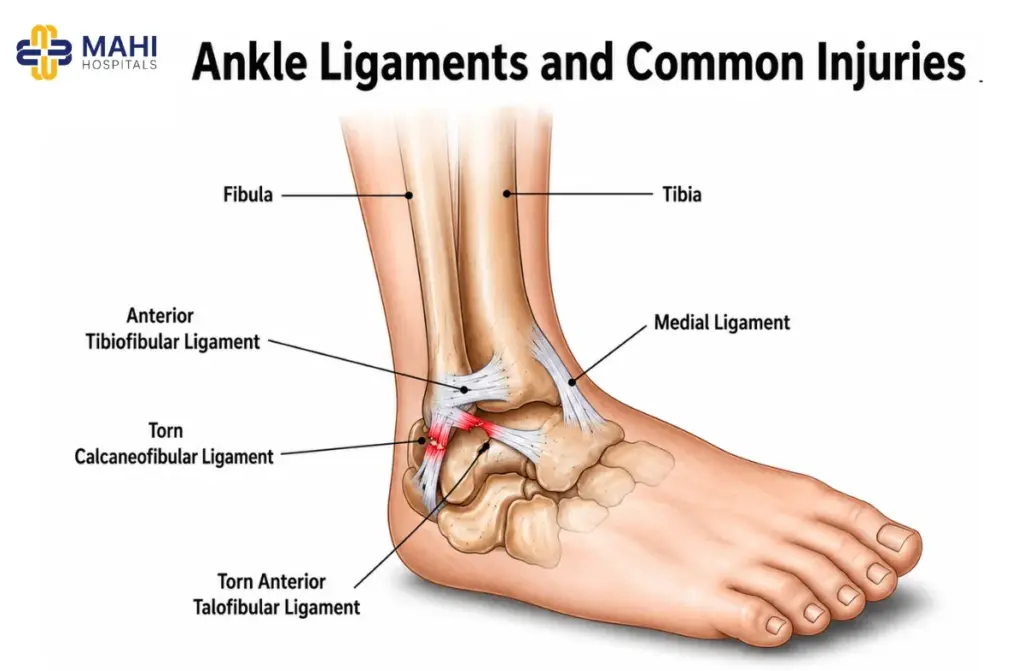
Symptoms of Soft Tissue Injury
The symptoms of a soft tissue injury depend on the location and severity of the damage. Some injuries cause immediate pain and swelling, while others develop gradually over time.
Common symptoms include:
• Pain at the site of injury
• Swelling and inflammation
• Tenderness when touched
• Bruising or skin discoloration
• Reduced range of motion
• Stiffness around the affected area
• Muscle weakness
• Difficulty performing normal activities
• Joint instability
• A popping or snapping sensation during injury
In severe cases, individuals may experience significant loss of function, inability to bear weight, or visible deformity.
Soft Tissue Injury Knee
The knee is one of the most commonly affected joints when it comes to soft tissue injuries. Because it supports body weight while allowing complex movements such as bending, twisting, and pivoting, the knee is particularly vulnerable to stress and trauma.
- Soft tissue injuries of the knee may involve ligaments, tendons, muscles, cartilage, or surrounding connective tissues. These injuries can occur during sports, exercise, falls, motor vehicle accidents, or sudden changes in direction while walking or running.
- The severity of a knee soft tissue injury can vary considerably. Mild injuries may cause temporary discomfort and swelling, while severe injuries can result in instability, restricted movement, and difficulty walking.
- Common symptoms include knee pain, swelling, stiffness, weakness, reduced range of motion, and sensations of locking or giving way. Some patients may notice popping sounds at the moment of injury, especially when ligaments are involved.
- Because knee injuries can significantly affect mobility and quality of life, early evaluation and treatment are important to prevent further damage and support optimal recovery.
Common Causes of Knee Soft Tissue Injuries
- Many knee soft tissue injuries occur during activities that place sudden stress on the joint. Sports such as football, basketball, cricket, badminton, tennis, and athletics frequently involve rapid directional changes, jumping, and pivoting movements that increase injury risk.
- Sudden twisting of the knee while the foot remains planted is a common cause of ligament injuries. Direct impacts from collisions or falls may damage ligaments, tendons, or muscles surrounding the joint.
- Overuse is another major contributor. Repeated running, cycling, climbing stairs, or squatting can place continuous strain on the tendons and soft tissues around the knee, leading to inflammation and pain over time.
- Poor biomechanics, improper footwear, inadequate warm-up routines, muscle imbalances, and weak supporting muscles can further increase the likelihood of knee soft tissue injuries.
Diagnosis of Soft Tissue Injuries
- Accurate diagnosis is essential for determining the severity of a soft tissue injury and selecting the most appropriate treatment plan.
- A healthcare professional typically begins with a detailed medical history and physical examination. Questions may focus on how the injury occurred, the location of symptoms, and any limitations in movement or daily activities.
- During the examination, the affected area is assessed for tenderness, swelling, bruising, strength deficits, joint stability, and range of motion. Functional tests may also be performed to identify specific tissue involvement.
- Imaging studies are often recommended when a more detailed evaluation is required. X-rays help rule out fractures and bone abnormalities, while ultrasound can visualize tendons, muscles, and areas of inflammation. Magnetic Resonance Imaging (MRI) is considered one of the most effective tools for identifying ligament tears, tendon injuries, muscle damage, and cartilage problems.
- Early and accurate diagnosis allows treatment to begin promptly, reducing the risk of complications and promoting faster recovery.
Treatment for Soft Tissue Injuries
- The treatment of soft tissue injuries depends on the type of tissue affected, the severity of the injury, and the individual’s overall health. The primary goals of treatment are to reduce pain and inflammation, promote tissue healing, restore mobility, and prevent future injuries.
- Most mild to moderate soft tissue injuries respond well to conservative treatment. Early intervention can significantly improve recovery outcomes and reduce the likelihood of chronic pain or long-term dysfunction.
- One of the most widely recommended approaches during the first few days after injury is the RICE method, which stands for Rest, Ice, Compression, and Elevation. Rest helps prevent further tissue damage, while ice reduces swelling and pain by constricting blood vessels. Compression supports the injured area and limits excessive swelling, and elevation helps improve fluid drainage away from the injury site.
- In recent years, some rehabilitation specialists have also emphasized the importance of gradual movement and controlled loading rather than prolonged immobilization. While rest remains important initially, gentle movement often helps stimulate circulation and support healing when introduced appropriately.
- Pain management may include over-the-counter medications, prescription anti-inflammatory drugs, or topical pain-relieving treatments. However, medications should be used as part of a broader recovery strategy rather than as the sole treatment.
- For moderate to severe injuries, supportive devices such as braces, splints, compression sleeves, or crutches may be recommended to protect the injured tissue while healing progresses.
Physiotherapy and Rehabilitation
- Physiotherapy is one of the most important components of soft tissue injury recovery. While pain and swelling may improve naturally over time, proper rehabilitation helps restore strength, flexibility, balance, coordination, and overall function.
- Without rehabilitation, injured tissues may heal in a weakened state, increasing the risk of reinjury and chronic problems. Physiotherapists create individualized treatment plans based on the injury type, severity, activity level, and recovery goals of each patient.
- During the early stages of rehabilitation, the focus is often on pain reduction, swelling control, and gentle mobility exercises. As healing progresses, strengthening exercises are introduced to rebuild muscle function and improve joint stability.
- Advanced rehabilitation programs may include balance training, neuromuscular re-education, gait correction, posture improvement, sport-specific drills, and functional movement training. These techniques help individuals safely return to work, sports, and daily activities.
- Manual therapy techniques such as joint mobilization, soft tissue massage, myofascial release, and stretching may also be incorporated to improve mobility and reduce stiffness.
- The duration of physiotherapy varies depending on the injury. Minor injuries may require only a few sessions, while severe injuries can involve several months of structured rehabilitation.
Advanced Treatments
- Although most soft tissue injuries heal successfully with conservative care, some cases require advanced treatments when symptoms persist or healing is delayed.
- Platelet-Rich Plasma (PRP) Therapy has gained popularity for treating certain tendon, ligament, and muscle injuries. PRP involves concentrating platelets from the patient’s own blood and injecting them into the injured area. These platelets contain growth factors that may help stimulate tissue repair.
- Shockwave Therapy is a non-invasive treatment that uses acoustic waves to promote healing and improve blood circulation in damaged tissues. It is often used for chronic tendon conditions such as Achilles tendinopathy and plantar fasciitis.
- Corticosteroid Injections may be recommended in cases involving significant inflammation. These injections can provide short-term pain relief and reduce swelling, although repeated use is generally avoided because it may weaken certain tissues over time.
- Regenerative medicine approaches continue to evolve and may include biologic therapies designed to enhance natural healing processes. These treatments are becoming increasingly important in sports medicine and orthopedic care.
- When a ligament, tendon, or muscle is completely ruptured, surgical intervention may be necessary. Surgical repair aims to restore structural integrity and function, particularly in individuals who wish to return to physically demanding activities.
Recovery Time for Soft Tissue Injuries
One of the most common questions patients ask is how long recovery will take. The answer depends on several factors, including the severity of the injury, the tissue involved, the individual’s age, overall health, and adherence to rehabilitation recommendations.
Minor injuries often improve relatively quickly, while severe tears may require several months of recovery. Proper treatment and rehabilitation play a significant role in determining recovery speed and long-term outcomes.
Recovery Timeline for Common Soft Tissue Injuries
| Injury Type | Typical Recovery Time |
| Mild Muscle Strain | 1–3 weeks |
| Moderate Muscle Strain | 4–8 weeks |
| Severe Muscle Tear | 3–6 months |
| Mild Ligament Sprain | 2–4 weeks |
| Moderate Ligament Sprain | 6–12 weeks |
| Severe Ligament Tear | 4–9 months |
| Tendinitis | Several weeks to months |
| Bursitis | 2–8 weeks |
| Post-Surgical Repair | 6–12 months |
These timelines are estimates and can vary from person to person. Attempting to return to normal activities too early can increase the risk of reinjury and prolong recovery.
Rehabilitation Phases
- Soft tissue healing occurs through a series of biological phases. Understanding these phases helps explain why recovery requires patience and progressive rehabilitation.
- The inflammatory phase begins immediately after injury and usually lasts for several days. During this stage, the body sends inflammatory cells to the injured area to remove damaged tissue and initiate healing. Pain, swelling, warmth, and tenderness are common during this period.
- The repair phase follows and may last several weeks. During this stage, the body produces new collagen fibers and begins rebuilding damaged tissue. Controlled movement is often introduced to encourage proper tissue alignment and prevent excessive stiffness.
- The remodeling phase is the final stage of healing and can continue for several months. Newly formed tissue gradually becomes stronger and more organized. Progressive strengthening exercises and functional training become increasingly important during this phase.
- Successful rehabilitation depends on matching treatment intensity to the current stage of healing. Advancing too quickly can disrupt recovery, while excessive inactivity may delay progress.
Exercises for Soft Tissue Injury Recovery
Exercise is an important part of soft tissue injury rehabilitation because it helps restore mobility, strength, flexibility, and overall function. Rehabilitation typically begins with gentle range-of-motion exercises to reduce stiffness and improve circulation. As healing progresses, stretching exercises help restore flexibility, while strengthening exercises rebuild muscle support around the injured area.
Common rehabilitation exercises include heel slides, quadriceps strengthening exercises, hamstring stretches, calf raises, resistance band exercises, glute bridges, and balance-training activities. These exercises help improve joint stability, muscle strength, and movement control.
| Exercise | Benefit |
| Heel Slides | Improve joint mobility |
| Quadriceps Sets | Strengthen thigh muscles |
| Hamstring Stretches | Increase flexibility |
| Calf Raises | Improve lower-leg strength |
| Glute Bridges | Enhance hip and core stability |
| Balance Exercises | Improve coordination and help prevent reinjury |
Low-impact activities such as walking, swimming, and cycling can also support recovery by improving circulation and fitness without placing excessive stress on healing tissues. Exercise progression should always be gradual, and any activity that causes significant pain or swelling should be stopped and discussed with a healthcare professional.
Warning Signs That Require Immediate Medical Attention
Most soft tissue injuries improve with proper treatment and rehabilitation. However, some symptoms may indicate a serious injury that requires urgent medical care.
Seek immediate medical attention if you experience:
• Severe pain that does not improve with rest
• Rapid or excessive swelling
• Inability to move or bear weight on the affected area
• Visible deformity or joint instability
• A popping sensation followed by significant weakness
• Numbness, tingling, or loss of sensation
• Changes in skin color or temperature
• Fever, redness, or warmth around the injury
Early medical evaluation can help prevent complications and ensure a faster, safer recovery.
Complications of Untreated Soft Tissue Injuries
- Although some individuals attempt to “push through” pain or delay treatment, untreated soft tissue injuries can lead to several long-term problems. What begins as a minor strain or sprain may gradually progress into a chronic condition that affects mobility, performance, and overall quality of life.
- One of the most common complications is chronic pain. When injured tissues do not heal properly, persistent discomfort can continue for months or even years. Ongoing inflammation may also contribute to stiffness and reduced flexibility.
- Joint instability is another concern, particularly when ligament injuries are left untreated. Weak or damaged ligaments may fail to adequately support the joint, increasing the likelihood of recurrent injuries and further tissue damage.
- Muscle weakness and loss of function can develop when pain limits movement for extended periods. Reduced activity often leads to muscle atrophy, making rehabilitation more challenging.
- Scar tissue formation may also occur during the healing process. While scar tissue is a natural part of recovery, excessive scar formation can restrict movement and reduce tissue flexibility.
- In some cases, untreated soft tissue injuries contribute to altered movement patterns that place additional stress on surrounding joints and muscles. Over time, this can increase the risk of degenerative joint changes and chronic musculoskeletal problems.
Prevention of Soft Tissue Injuries
- Although not every injury can be prevented, many soft tissue injuries can be avoided through proper preparation, conditioning, and awareness of risk factors.
- Regular physical activity helps maintain muscle strength, flexibility, and joint stability. Strong and well-conditioned tissues are better equipped to tolerate physical stress and recover from minor strains.
- A proper warm-up before exercise increases blood flow to muscles and prepares the body for activity. Dynamic stretching and gradual increases in exercise intensity can reduce the likelihood of sudden tissue overload.
- Maintaining flexibility through regular stretching helps preserve normal movement patterns and reduces excessive stress on muscles and tendons. Strength training is equally important because strong muscles provide better support for joints and connective tissues.
- Using proper technique during sports, exercise, and workplace activities can significantly lower injury risk. Learning correct lifting mechanics, posture, and movement patterns helps prevent unnecessary strain on soft tissues.
- Appropriate footwear and protective equipment also play an important role in injury prevention. Shoes that provide adequate support and cushioning can reduce stress on the lower extremities during walking, running, and sports activities.
- Adequate recovery is often overlooked but remains essential for preventing overuse injuries. Allowing the body sufficient time to rest between intense activities helps tissues repair and adapt to physical demands.
- Good hydration, balanced nutrition, and maintaining a healthy body weight further support tissue health and reduce injury risk.
Key Takeaways
- Soft tissue injuries affect muscles, tendons, ligaments, fascia, cartilage, and other connective tissues.
- Common types include sprains, strains, contusions, tendinitis, bursitis, and tissue tears.
- Sports injuries, falls, repetitive movements, and overuse are among the leading causes.
- Symptoms often include pain, swelling, bruising, stiffness, weakness, and reduced mobility.
- Knee soft tissue injuries are particularly common because of the joint’s complex structure and weight-bearing role.
- Early diagnosis helps determine the severity of the injury and guides appropriate treatment.
- Physiotherapy and rehabilitation are essential for restoring strength, flexibility, and function.
- Most mild to moderate injuries recover successfully with conservative treatment and proper rehabilitation.
- Severe injuries may require advanced therapies or surgical intervention.
- Preventive strategies such as strengthening, stretching, proper technique, and adequate recovery can significantly reduce injury risk.
Conclusion
Soft tissue injuries are among the most common injuries affecting people of all ages and activity levels. Whether involving muscles, tendons, ligaments, fascia, or cartilage, these injuries can cause significant pain, swelling, and limitations in daily activities if not managed appropriately.
The severity of a soft tissue injury can range from a mild strain that heals within days to a complete tear requiring months of rehabilitation or surgery. Understanding the different types of injuries, their causes, symptoms, and treatment options is essential for achieving the best possible recovery. Early diagnosis, appropriate medical care, and a structured rehabilitation program play a crucial role in restoring strength, flexibility, and function. Individuals who actively participate in their recovery process are often able to return safely to their normal activities while minimizing the risk of future injuries.
By prioritizing prevention, recognizing symptoms early, and seeking timely treatment when necessary, people can protect their musculoskeletal health and maintain an active, healthy lifestyle.
Read More: Best Multispeciality Hospitals in Kilpauk