
Knee pain is one of the most common complaints among adults, affecting people of all ages and lifestyles. From young athletes to elderly individuals, it can interfere with daily activities such as climbing stairs, walking to the shop, sitting down or standing up, or even sleeping comfortably at night. In Tamil Nadu, knee problems are increasingly reported, often due to lifestyle changes, lack of proper exercise, or age-related wear and tear. If you are wondering how to reduce knee joint pain, the good news is that most knee pain can be managed effectively without surgery. Understanding your knee, how it works, why it hurts, and how to care for it can help you regain mobility, reduce discomfort, and prevent future problems. With the right medical care, simple exercises, proper nutrition, and lifestyle adjustments, you can strengthen your knees and maintain an active, pain-free life. This comprehensive guide explains everything you need to know about knee pain, its causes, signs, treatments, exercises, diet, and habits so you can take practical steps toward healthier knees.
Why Knee Pain Happens
To treat knee pain effectively, it’s essential to understand why it occurs. Knee pain is never random, it always has a cause. While some causes are sudden and acute, others develop gradually over time. A clear understanding of the causes is the foundation of How to Reduce Knee Joint Pain effectively. Here are the main reasons for knee pain:
Age and Wear
- As we grow older, the cartilage of the soft cushion inside the knee joint gradually wears down. This condition is called osteoarthritis, which leads to stiffness, swelling, and pain, especially when bending or walking. People above 50 are more prone to osteoarthritis, but those who experienced knee injuries earlier in life may encounter symptoms sooner.
- Worn cartilage causes bones to rub against each other, resulting in pain, swelling, and sometimes deformity. Osteoarthritis typically worsens with activity and improves with rest, although advanced cases may cause persistent discomfort even during sleep.
Injuries
Knee injuries can happen suddenly or gradually, often during sports, accidents, falls, or twisting movements. The knee is made of bones, ligaments, tendons, and cartilage. Damage to any of these components can lead to pain, swelling, or instability.
Common injuries include:
- Ligament tears, such as the anterior cruciate ligament (ACL), causing instability.
- Meniscus (cartilage) tears, often leading to sharp pain, swelling, and difficulty moving.
- Fractures or bone bruises, especially from falls or accidents.
- Even minor injuries, if ignored or treated incorrectly, can develop into chronic knee problems over time.
Health Conditions
Certain medical conditions contribute to knee pain:
- Gout: Crystals form in the joint, causing sudden, severe pain and swelling.
- Bursitis: Inflammation of small fluid-filled sacs near the knee, often triggered by kneeling frequently for work or prayer.
- Rheumatoid arthritis: An autoimmune disease where the body’s defense system attacks the joints, causing swelling, stiffness (especially in the morning), and long-term joint damage.
Lifestyle Factors
Lifestyle habits also play a crucial role in knee health. Excess body weight adds pressure on your knees: for every extra kilogram of body weight, the knees endure about four kilograms of pressure while walking. Over time, this accelerates cartilage wear and can lead to pain.
Other lifestyle contributors include:
- Prolonged sitting, leading to weak thigh muscles and poor joint support.
- Incorrect posture during sitting, standing, or lifting.
- Unsuitable footwear, which can misalign your knees and feet, causing additional strain.
Signs of Knee Pain: How to Identify
Recognizing these signs is the first step in learning How to Reduce Knee Joint Pain effectively. Knee pain can vary in severity, location, and cause.
What to Look For
- Swelling: The knee may look bigger than usual due to fluid buildup.
- Stiffness: Difficulty bending or straightening the knee.
- Instability: Feeling that the knee will give way while walking.
Types of Pain
- Sharp pain: Usually caused by injury, ligament tears, or cartilage damage. Often comes suddenly, sometimes with a popping sound.
- Dull pain: Gradual onset, typically due to arthritis or overuse. It often improves with rest and worsens with activity.
Pain location:
- Front of the knee: Often related to the kneecap (patella) and worsens with squatting, climbing stairs, or sitting for long periods.
- Back of the knee: May indicate a Baker’s cyst (fluid sac), hamstring muscle issues, or cartilage tear.
Short-Term vs. Long-Term Pain
- Short-term pain: Occurs suddenly, often after a specific event like a fall or twist. Usually accompanied by swelling and difficulty putting weight on the leg.
- Long-term pain: Develops gradually, often described as a dull ache. Usually associated with stiffness in the morning, worsening with activity, and improving with rest.
Tip: Pain that increases with activity and improves with rest is often arthritis. Sharp pain during a twist usually indicates a ligament or cartilage problem.
Simple Treatments and Medical Care
Most knee pain can be managed effectively without surgery. Treatments focus on reducing swelling, supporting the joint, and strengthening surrounding muscles. These three approaches form the foundation of How to Reduce Knee Joint Pain safely and effectively. These knee pain exercises at home are safe for most people with mild to moderate discomfort.
Medicines for Pain
- Topical gels and creams: Containing diclofenac or ibuprofen, these are applied directly to the knee and are often safer than oral medications.
- Oral medications: Pills like ibuprofen or naproxen reduce pain and swelling but should be used cautiously if you have kidney, stomach, or heart issues. Short-term use is recommended.
- Steroid injections: Reduce severe swelling quickly. Usually limited to two or three times a year due to potential long-term joint damage.
Physiotherapy and Expert Care
Physiotherapy is crucial for most knee problems. A skilled physiotherapist evaluates your knees, hips, lower back, and ankles, as weakness in these areas often causes knee misalignment. While professional physiotherapy is highly beneficial, consistent knee pain exercises at home can complement your treatment and accelerate recovery.
Physiotherapy focuses on:
- Strengthening muscles around the knee.
- Correcting movement patterns.
- Reducing pain and swelling through guided exercises.
Most people see significant improvement within 6–8 weeks of regular physiotherapy. Avoid random exercise videos online, as they cannot account for your unique body type or injury history.
Supportive Aids
- Knee braces: Provide stability for ligament injuries or arthritis in specific knee areas.
- Medical tape: Applied correctly, it can reduce pain and improve movement.
- Step counters: Help gradually increase activity without overloading the knee.
Injections and Surgery Options
When conservative treatments fail, doctors may suggest injections or surgical interventions.
Injections
- Hyaluronic acid injections: Add joint fluid to improve movement, mainly for mild to moderate arthritis.
- PRP (Platelet-Rich Plasma) injections: Use growth factors from your own blood to aid healing. Mainly used for long-term tendon problems and early arthritis. Research on effectiveness is ongoing.
- Stem cell therapy: Experimental treatment with limited evidence. Only consider reputable clinics and ask thorough questions before proceeding.
Surgery
- Arthroscopy (keyhole surgery): Minor procedure for meniscus tears or loose pieces in the joint. Not usually effective for arthritis unless there is joint locking.
- Knee replacement: Recommended for advanced arthritis when other treatments fail. Damaged parts are replaced with artificial components, usually lasting 10–15 years or more. Recovery includes walking support for 4–6 weeks, driving in 4–6 weeks, and full recovery in 3–6 months.
- Important: Surgery is needed for only a small percentage of patients. Most knee pain can improve with conservative treatment, such as exercises, physiotherapy, and lifestyle changes, without the need for surgery
Simple Exercises to Make Your Knees Strong
Regular exercises help strengthen muscles, improve flexibility, and support overall joint stability. Here are some safe options for mild to moderate knee pain. Always follow a physiotherapist’s advice and stop if you feel sharp pain. One of the most effective ways to understand How to Reduce Knee Joint Pain is through consistent, guided exercise.
Straight Leg Raise
- Engage the thigh muscles of the straight leg, pressing the back of your knee gently toward the floor.
- Slowly lift the leg until it reaches the height of the bent knee, hold for a few seconds, and lower it carefully.
- Learning how to improve bone health through regular strengthening exercises can also protect your knees.
- Repeat on the other leg.
- Repeat 10–12 times per leg.
Wall Squat
- Stand with your back against a wall, feet shoulder-width apart, one foot away from the wall.
- Slowly slide down until knees are slightly bent, hold 10–15 seconds, then slide back up.
- Repeat 8–10 times.
Step Up
- Use a low step (4–6 inches). Place one foot on the step, shift weight, bring the other foot up, then step back down.
- Repeat 10 times per leg.
Back Thigh Stretch
- Sit on the floor, one leg straight, the other bent with your foot against the inner thigh.
- Lean forward from hips, keeping the back straight until you feel a mild pull. Hold 20–30 seconds, switch sides.
Calf Stretch
- Stand facing a wall, hands at shoulder height.
- Extend one leg back, heel flat, bend the front knee, lean forward until the calf stretches. Hold 20–30 seconds, switch sides.
- Common mistakes: Avoid deep squats, do not lock knees during leg raises, and breathe normally during exercises.
Food and Diet for Healthy Knees
What you eat plays a significant role in How to Reduce Knee Joint Pain naturally. Diet affects joint health. Proper nutrition reduces inflammation, strengthens bones, and helps maintain a healthy weight. Including Indian food for strong bone in your diet can provide essential nutrients to support both bone and knee health.
Foods That Reduce Swelling
- Leafy greens: Spinach, kale, and fenugreek contain anti-inflammatory compounds.
- Fatty fish: Salmon and sardines provide omega-3 fatty acids.
- Nuts: Almonds, walnuts, and cashews help reduce joint pain.
- Berries and olive oil: Contain antioxidants and anti-inflammatory properties.
Foods for Strong Bones
- Calcium: Milk, curd, and leafy vegetables support bone health.
- Vitamin D: Sunlight, eggs, and fish help calcium absorption. Many people in Tamil Nadu stay indoors and may need supplements.
Weight Control
Losing 5–10% of body weight can reduce knee pain by approximately half. For an 80 kg person, losing 4–8 kg significantly eases pressure on the knees.
Daily Habits to Protect Your Knees
Simple lifestyle adjustments prevent knee strain:
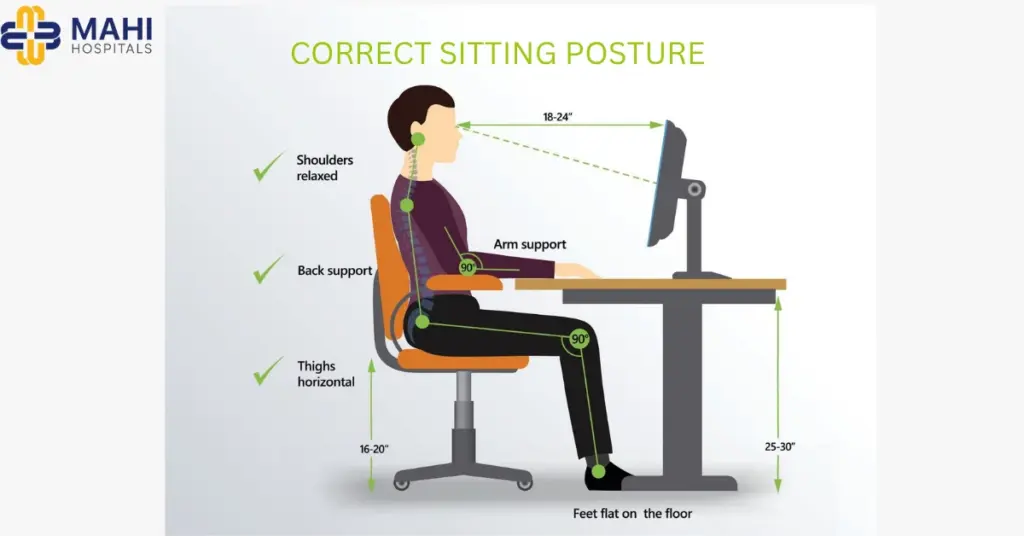
- Sit with your back straight, feet flat, avoid crossing legs.
- Warm up before activity: 5–10 minutes of walking or stretching.
- Wear supportive shoes with cushioning.
- Bend knees and hips when lifting, keep weight close, avoid twisting.
- Climbing stairs: lead with stronger leg going up, weaker leg going down, use handrails.
Common Myths About Knee Pain
Myth 1: Rest is always best
Truth: Prolonged rest weakens muscles around the knee. Short rest is fine, but guided movement and strengthening exercises are more effective.
Myth 2: Surgery is the only solution
Truth: Most knee pain improves with physiotherapy, exercise, and lifestyle changes. Surgery is only needed when conservative treatment fails.
Conclusion
Knee pain is common but manageable. A combination of medical care, exercise, diet, and lifestyle changes can keep your knees strong and pain-free. Begin small: choose one or two exercises, include anti-inflammatory foods in your diet, and adopt daily habits that protect your knees. Remember, your knees carry you through life—take care of them today so they can support you for many years. Taking small, steady actions each day can lead to major improvements. Begin caring for your knees today at Mahi Hospital. By following these steps, you now have a complete roadmap on How to Reduce Knee Joint Pain and maintain healthy knees for life. Regularly practicing knee pain exercises at home will help you build strength and prevent future discomfort.