
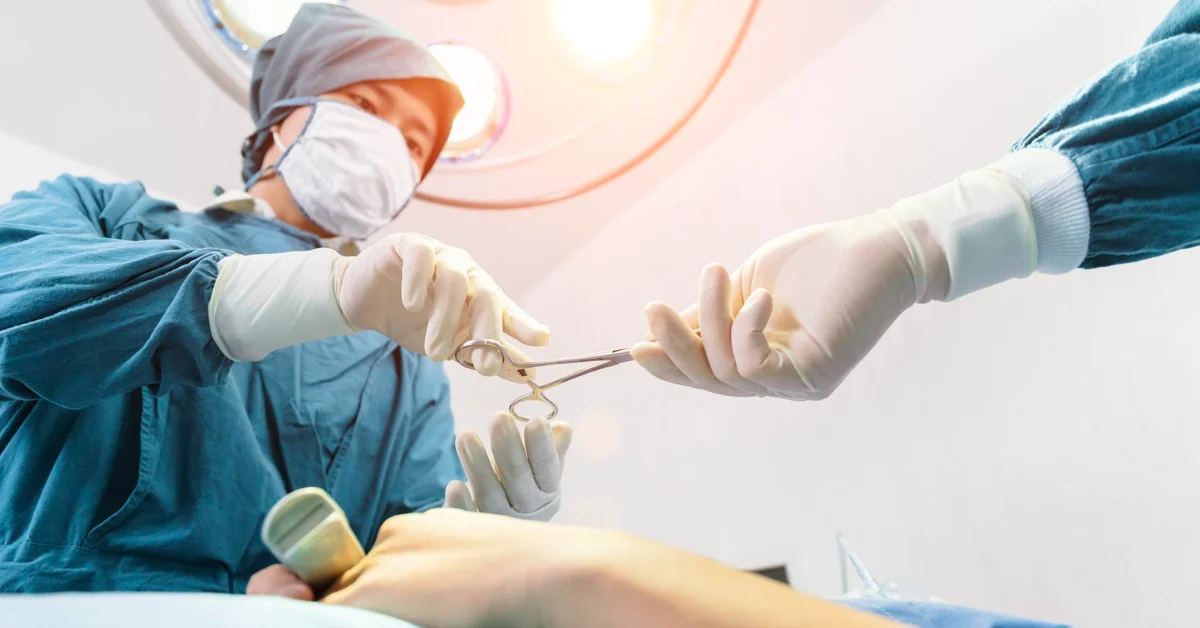
Vascular Surgery focuses on diseases of the blood vessels—arteries, veins, and lymphatic circulation—that carry blood throughout the body. When blood flow is reduced or blocked, organs and limbs don’t get enough oxygen, leading to pain, ulcers, stroke risk, or even limb loss if untreated. Conditions like varicose veins, peripheral artery disease, diabetic vascular complications, aneurysms, and deep vein thrombosis are becoming increasingly common due to diabetes, smoking, sedentary lifestyles, and aging. Early diagnosis and timely vascular intervention can restore circulation, prevent complications, and save lives. Modern vascular surgery now emphasizes minimally invasive techniques, faster recovery, and long-term vascular health.
Vascular Surgery is a specialized field dealing with disorders of the circulatory system outside the heart and brain.
Healthy blood flow = healthy body.
Ignoring circulation problems can lead to irreversible damage.
Precision diagnostics guide safer interventions
These techniques reduce recovery time and hospital stay.
Surgery is chosen only when clearly beneficial.
Prevention saves limbs—and lives.
Technology + expertise = better outcomes.
Vascular Surgery plays a critical role in protecting blood flow, preventing limb loss, and reducing life-threatening complications such as stroke and severe infections. Circulatory disorders often progress silently, making early diagnosis and timely intervention essential. With modern minimally invasive techniques, advanced imaging, and structured aftercare, most vascular conditions can be treated safely and effectively. Choosing the right care team ensures better recovery and long-term vascular health. With a commitment to precision, safety, and compassionate care, MAHI Hospitals offers comprehensive vascular surgery services designed to restore circulation, preserve mobility, and improve quality of life.
No. Not all vascular conditions need surgery. Many are managed with medications, lifestyle changes, or minimally invasive procedures. A vascular specialist evaluates severity and progression before recommending surgery, ensuring treatment is necessary, safe, and effective for long-term vascular health.
Yes. Modern vascular surgery is highly safe when performed by trained specialists. Advances in imaging, anesthesia, and minimally invasive techniques have significantly reduced risks. Careful pre-operative evaluation and post-procedure monitoring further improve safety and recovery outcomes.
Recovery depends on the procedure. Minimally invasive treatments often allow same-day or short hospital stays, with quick return to daily activities. Open surgeries may need longer recovery. Your surgeon provides a clear recovery plan based on the specific treatment performed.
Fill out the form and our patient care coordinators will get back to you within 24 hours to assist with appointments, queries, or any guidance you need.