
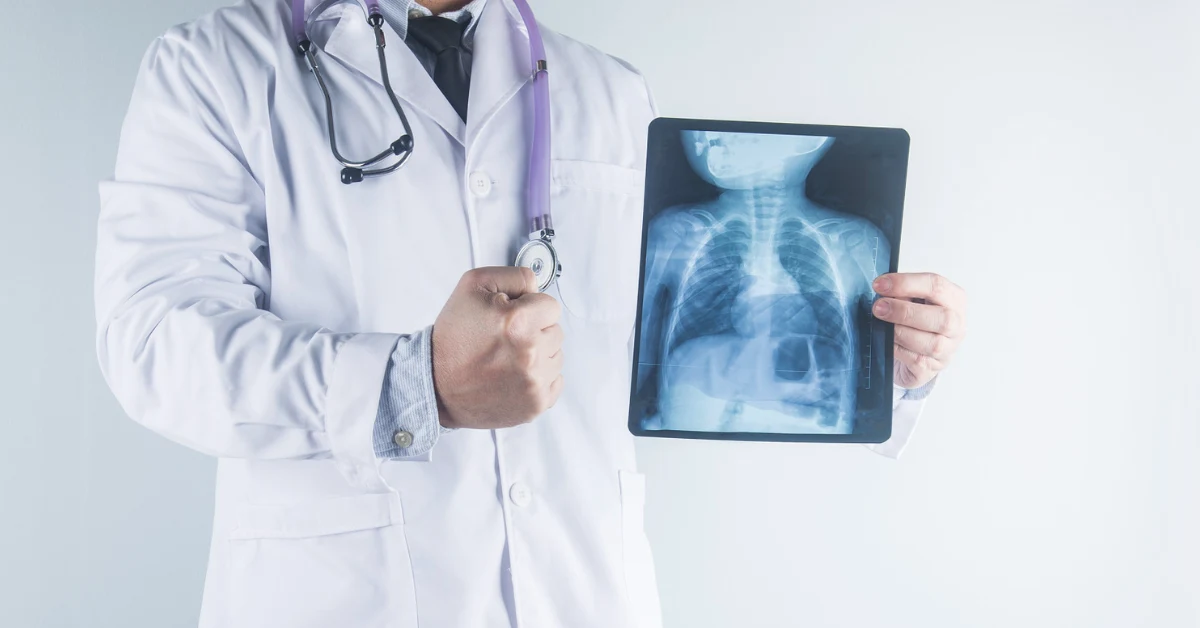
Radiology

Radiology is the medical specialty that uses imaging techniques to diagnose and guide treatment of diseases.
Radiology

Radiology is the backbone of accurate diagnosis in modern medicine, turning medical uncertainty into clear, actionable insights. From routine X-rays to advanced MRI and CT scans, radiology helps doctors detect diseases early, plan treatments precisely, and monitor recovery effectively. Today’s radiology goes beyond images—it combines advanced technology, skilled interpretation, and fast reporting to support better clinical decisions. With increasing demand for early detection and minimally invasive diagnostics, a well-equipped radiology department plays a critical role in improving outcomes, reducing unnecessary procedures, and delivering faster, safer patient care across all medical specialties.

What is Radiology?

Radiology is the medical specialty that uses imaging techniques to diagnose, monitor, and sometimes treat diseases.

Core functions explained:

  • Diagnostic Imaging: Identifies internal abnormalities non-invasively.
  • Disease Monitoring: Tracks treatment response and progression.
  • Image-Guided Procedures: Supports minimally invasive interventions.
  • Preventive Screening: Detects conditions before symptoms appear.
  • Clinical Decision Support: Guides doctors toward accurate treatment plans. 

Types of Radiology Services

Different imaging tools serve different clinical purposes.

Major radiology services include:

  • X-Ray Imaging: Quick evaluation of bones and chest conditions.
  • Ultrasound Scans: Real-time imaging using sound waves.
  • CT Scan (Computed Tomography): Detailed cross-sectional body images.
  • MRI Scan (Magnetic Resonance Imaging): High-resolution soft tissue imaging.
  • Mammography: Early detection of breast abnormalities.
  • Doppler Studies: Assesses blood flow and vascular health. 

Diagnostic Imaging Explained

Each imaging modality offers unique clinical advantages.

Imaging methods explained:

  • X-Ray: Ideal for fractures, lung conditions, and infections.
  • Ultrasound: Safe for pregnancy and abdominal evaluation.
  • CT Scan: Excellent for trauma, brain, chest, and abdominal imaging.
  • MRI: Best for brain, spine, joints, and soft tissues.
  • Contrast Studies: Enhance visibility of organs and blood vessels.

Interventional Radiology

  • Radiology is not just diagnostic—it can be therapeutic too.Interventional services include:
    • Image-Guided Biopsies: Accurate tissue sampling.
    • Drainage Procedures: Removes fluid collections safely.
    • Vascular Interventions: Treats blocked or narrowed vessels.
    • Pain Management Procedures: Minimally invasive relief options.
    • Tumor Ablation: Targets tumors without open surgery. 

Radiology in Emergency & Critical Care

Speed and accuracy are crucial during emergencies.

Emergency radiology supports:

  • Trauma Imaging: Rapid assessment of internal injuries.
  • Stroke Evaluation: Immediate brain imaging for timely treatment.
  • Chest Pain Workup: Detects lung and cardiac emergencies.
  • Abdominal Emergencies: Identifies internal bleeding or obstruction.
  • ICU Imaging Support: Portable imaging for critical patients. 

Role of Radiologists

Technology is powerful, but expert interpretation matters most.

Radiologist responsibilities explained:

  • Image Interpretation: Converts images into accurate diagnoses.
  • Clinical Correlation: Aligns imaging findings with symptoms.
  • Reporting Precision: Clear, actionable diagnostic reports.
  • Consultation with Doctors: Supports treatment planning.
  • Quality Assurance: Ensures imaging accuracy and safety. 

Technology & Innovation in Radiology

Modern radiology is driven by cutting-edge technology.

Advanced tools explained:

  • High-Resolution Imaging Systems: Superior image clarity.
  • Low-Dose Radiation Techniques: Enhanced patient safety.
  • Digital Imaging & PACS: Fast access and storage of images.
  • AI-Assisted Reporting: Improves speed and accuracy.
  • Advanced Contrast Agents: Better visualization with safety. 

Radiation Safety & Patient Protection

Safety is a top priority in imaging services.

Safety protocols include:

  • Dose Optimization: Uses minimal radiation exposure.
  • Protective Shielding: Prevents unnecessary radiation.
  • Patient Screening: Identifies pregnancy or allergies.
  • Equipment Calibration: Maintains accurate radiation delivery.
  • Trained Personnel: Ensures safe imaging practices.

Radiology for Preventive Health

Early diagnosis saves lives and costs.

Preventive imaging includes:

  • Routine health check-up scans. 
  • Cancer screening programs. 
  • Bone density testing for osteoporosis. 
  • Vascular screening for stroke risk. 
  • Early detection of organ abnormalities.

Before Care – Preparing for Radiology Tests

Proper preparation ensures accurate results.

Before imaging, patients should:

  • Inform about pregnancy or allergies. 
  • Share previous reports and medical history. 
  • Follow fasting instructions for contrast scans. 
  • Remove metal objects before MRI. 
  • Stay hydrated unless advised otherwise. 

After Care – Post-Imaging Guidelines

Most imaging tests require minimal recovery.

After radiology procedures:

  • Resume normal activities unless advised. 
  • Drink fluids after contrast studies. 
  • Monitor for rare contrast reactions. 
  • Collect reports as instructed. 
  • Discuss findings with your doctor promptly. 

Why Quality Radiology Matters

Good imaging directly impacts treatment success.

Its importance explained:

  • Enables early and accurate diagnosis. 
  • Reduces need for invasive procedures. 
  • Guides precise treatment planning. 
  • Improves patient safety. 
  • Enhances overall healthcare outcomes.

Conclusion

Radiology is the silent force behind accurate diagnosis, timely treatment, and effective monitoring across all medical specialties. With advanced imaging technology, skilled radiologists, and strict safety protocols, radiology transforms complex health concerns into clear clinical answers. From emergency care to preventive screening, high-quality imaging plays a vital role in patient outcomes. At MAHI Hospitals, the Radiology department delivers precise, reliable, and technology-driven diagnostic services—supporting doctors and patients with clarity, confidence, and care at every stage of health management.

Frequently Asked Questions

Common questions about Radiology and our services

Yes, radiology tests are very safe when performed under proper medical supervision. Modern imaging equipment uses low-dose radiation techniques, and safety protocols are strictly followed. Tests like ultrasound and MRI do not use radiation at all. Doctors recommend imaging only when benefits clearly outweigh minimal risks.

Preparation depends on the type of scan. Some tests require fasting, while others need removal of metal objects or hydration. Your healthcare team will give clear instructions beforehand. Following these guidelines ensures accurate images and prevents the need for repeat scans.

Most radiology reports are available within a few hours to a day, depending on the complexity of the scan. Emergency cases are prioritised for immediate reporting. Digital reporting systems allow fast sharing of results with your doctor, enabling quicker diagnosis and treatment decisions.


Related Blogs

No data was found

Need Help With Our Services?

Fill out the form and our patient care coordinators will get back to you within 24 hours to assist with appointments, queries, or any guidance you need.