
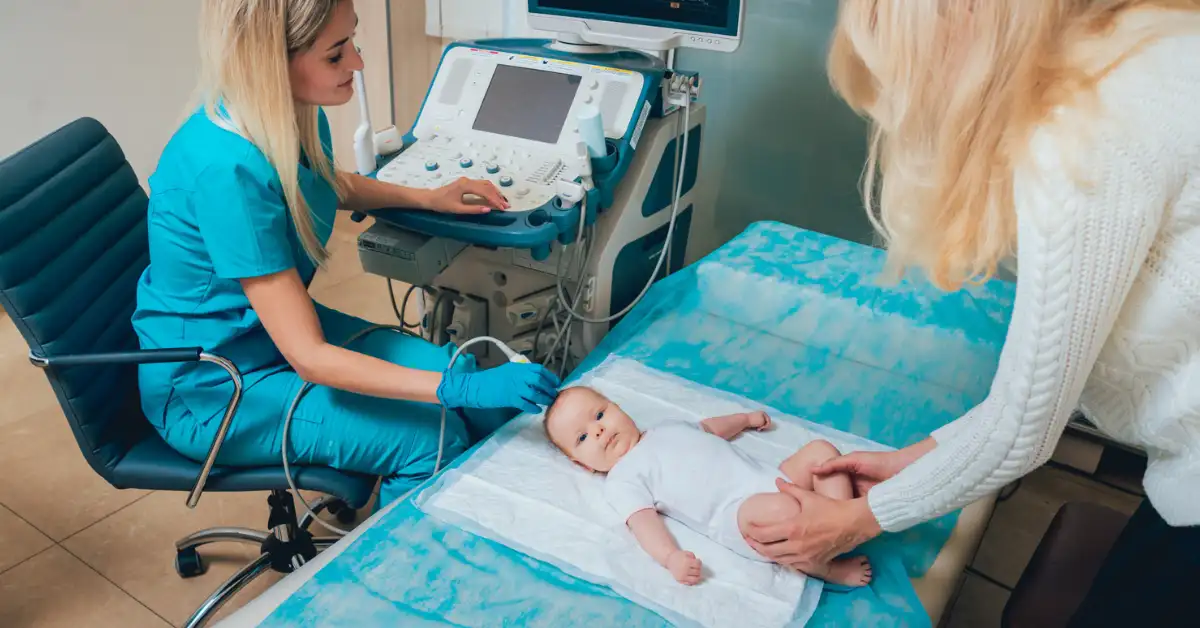
Paediatrics & Neonatology

Paediatrics & Neonatology focuses on medical care of infants, newborns, children, and adolescents’ health.
Paediatrics & Neonatology

Paediatrics & Neonatology focus on what matters most—your child’s health from day one to adolescence. From fragile newborns needing intensive care to growing kids facing infections, nutrition issues, or developmental concerns, timely and expert medical attention makes all the difference. Modern paediatric care goes beyond treating illness; it’s about prevention, growth tracking, emotional wellbeing, and long-term health outcomes. With advancements in neonatal technology and evidence-based paediatrics, today’s children have better survival rates, faster recovery, and healthier futures. A trusted paediatric and neonatology team ensures your child gets safe, compassionate, and age-appropriate care at every milestone.

What is Paediatrics & Neonatology?

Paediatrics & Neonatology are specialized medical fields dedicated to newborns, infants, children, and adolescents.

  • Paediatrics: Focuses on overall child health, growth, development, disease prevention, and treatment. Paediatricians monitor physical, emotional, and cognitive milestones while managing acute and chronic conditions.
  • Neonatology: A super-specialty dealing with newborns, especially premature or critically ill babies. Neonatologists manage NICU care, breathing support, infections, feeding issues, and birth-related complications.

Together, these specialties ensure continuity of care—from the first breath to teenage years.

Conditions Treated in Paediatrics & Neonatology

  • Newborn Complications: Prematurity, low birth weight, birth asphyxia, neonatal jaundice, and infections are managed with advanced NICU support.
  • Common Childhood Illnesses: Fever, cough, cold, diarrhea, vomiting, and viral or bacterial infections treated with evidence-based protocols.
  • Growth & Developmental Concerns: Delayed milestones, poor weight gain, speech delay, and learning difficulties are identified early.
  • Chronic Paediatric Conditions: Asthma, epilepsy, diabetes, congenital heart disease, and allergies require long-term, structured care.
  • Nutrition & Immunity Issues: Malnutrition, anemia, vitamin deficiencies, and immunity-related problems are addressed through personalized plans. 

Neonatal Intensive Care Unit (NICU) Services

  • Advanced Life Support for Newborns: State-of-the-art ventilators, CPAP, and monitoring systems ensure round-the-clock neonatal safety.
  • Care for Premature Babies: Temperature regulation, feeding support, and infection control help preterm infants thrive.
  • Management of High-Risk Deliveries: Immediate neonatal resuscitation and stabilization reduce complications after birth.
  • Infection Control & Sepsis Care: Early diagnosis and targeted treatment significantly improve neonatal survival rates.
  • Parental Counselling & Support: Parents are guided through care plans, feeding methods, and long-term follow-up needs.

Preventive Paediatric Care

  • Immunization Programs :Complete vaccination schedules as per national and international guidelines.
  • Regular Growth Monitoring: Height, weight, BMI, and developmental tracking at every stage.
  • Nutrition & Feeding Guidance: Breastfeeding support, weaning advice, and diet planning for healthy growth.
  • Early Screening: Vision, hearing, developmental, and metabolic screenings for early intervention.

Why Specialized Paediatric & Neonatal Care Matters

  • Children are not mini-adults—their bodies respond differently to illness and treatment. 
  • Early diagnosis prevents long-term complications. 
  • Specialized equipment and trained staff improve survival and recovery. 
  • Family-centered care reduces anxiety and improves compliance. 

Bottom line: the right care, at the right time, saves lives and builds healthier futures.

Before Care Guidelines (What Parents Should Do)

  • Carry complete medical and vaccination records. 
  • Note symptoms, feeding patterns, and behavioral changes. 
  • Avoid self-medication, especially in newborns. 
  • Ensure timely antenatal check-ups for high-risk pregnancies. 
  • Follow pre-admission instructions for NICU or paediatric procedures. 

Preparation = better outcomes. Always.

During Treatment & Hospital Stay

  • Continuous monitoring by trained paediatricians and neonatologists. 
  • Transparent communication with parents about diagnosis and progress. 
  • Child-friendly environment to reduce stress and fear. 
  • Strict infection control and hygiene protocols. 
  • Multidisciplinary approach involving nutritionists and therapists if required. 

After Care & Follow-Up

  • Scheduled follow-ups for growth and developmental assessment. 
  • Clear medication and feeding instructions at discharge. 
  • Immunization reminders and nutrition counselling. 
  • Long-term monitoring for premature or high-risk babies. 
  • Easy access to doctors for concerns after discharge. 

Post-care isn’t optional—it’s essential.

Technology & Expertise in Paediatrics & Neonatology

  • Modern NICU with advanced monitoring systems 
  • Evidence-based treatment protocols 
  • Skilled paediatric and neonatal specialists 
  • Emergency-ready infrastructure 
  • Family-focused, compassionate care model 

Healthcare has evolved—and so has child care.

Conclusion

Paediatrics & Neonatology play a crucial role in shaping a child’s present health and future potential. From managing complex neonatal conditions to guiding healthy childhood development, expert care ensures safety, growth, and confidence for both children and parents. Early intervention, preventive care, and advanced neonatal support dramatically improve outcomes and quality of life. Choosing the right hospital means choosing expertise, technology, and trust. MAHI Hospitals is committed to delivering comprehensive paediatric and neonatal care with compassion, precision, and a child-first approach—because every child deserves the strongest possible start in life.

Frequently Asked Questions

Common questions about Paediatrics & Neonatology and our services

A newborn should ideally be evaluated within the first few days after birth. Early visits help assess feeding, weight gain, jaundice, and overall adaptation to life outside the womb.

Mild infections are common as immunity develops, especially in school-going children. However, repeated or severe infections need evaluation to rule out nutritional deficiencies or immunity issues.

Yes. Vaccinations protect children from serious, preventable diseases. Following the recommended immunisation schedule builds strong immunity and reduces long-term health risks.

Related Blogs

No data was found

Need Help With Our Services?

Fill out the form and our patient care coordinators will get back to you within 24 hours to assist with appointments, queries, or any guidance you need.