
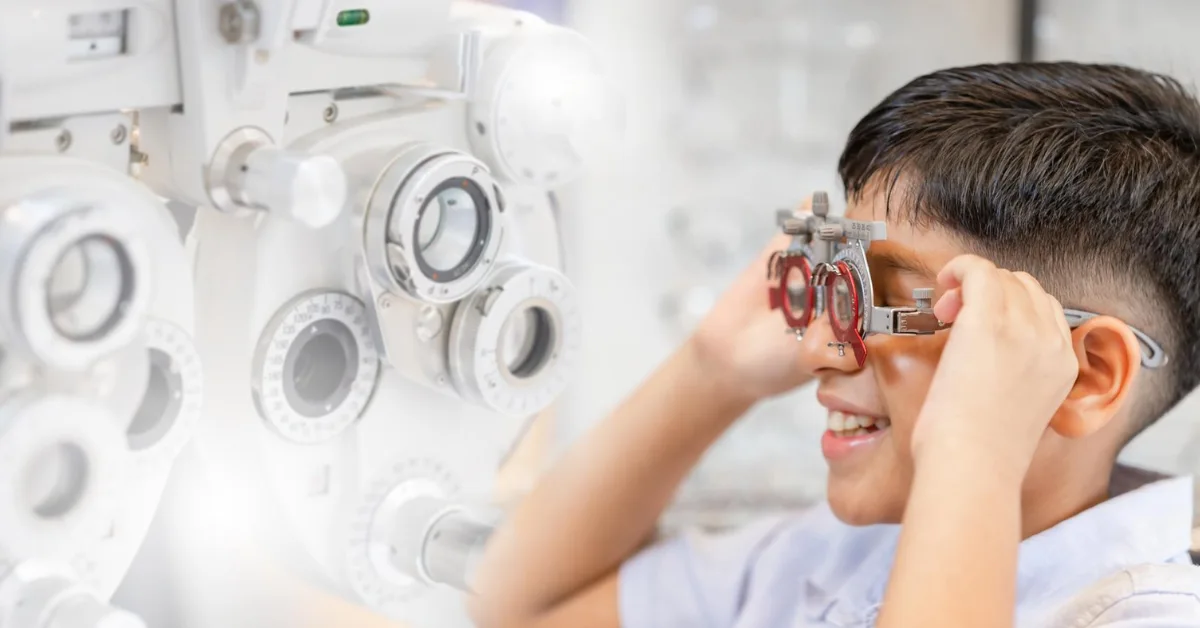
Ophthalmology is the medical specialty dedicated to protecting, restoring, and enhancing vision across all age groups. From routine eye exams to advanced microsurgeries, modern ophthalmology blends precision technology with clinical expertise. Vision issues often develop silently, making early diagnosis and timely treatment critical. With increasing screen exposure, lifestyle changes, and age-related eye conditions, comprehensive eye care is no longer optional—it’s essential. A well-equipped ophthalmology department focuses not just on treatment, but on prevention, long-term eye health, and quality of life, helping patients see clearly, confidently, and comfortably every day.
Ophthalmology deals with the diagnosis, treatment, and prevention of eye diseases and vision disorders.
Key aspects explained:
Eye problems vary widely and require specialised evaluation.
Conditions managed include:
Accurate diagnosis is the foundation of effective eye treatment.
Diagnostic tools explained:
Children need specialised eye care for proper visual development.
Paediatric services include:
Age-related eye changes require consistent monitoring and care.
Focused care includes:
Technology has transformed how eye diseases are treated.
Advanced technology explained:
Prevention is the smartest approach to long-term eye health.
Preventive measures explained:
Lifestyle guidance for eye-friendly nutrition.
Preparation improves outcomes and safety.
Before treatment or surgery:
Clarify recovery timelines and expectations.
Recovery plays a key role in visual outcomes.
After treatment or surgery:
Report pain, redness, or vision changes immediately.
Eye health directly impacts independence and quality of life.
Its importance explained:
Supports lifelong visual wellness.
Ophthalmology plays a critical role in maintaining clear vision and overall well-being through every stage of life. From preventive screenings to advanced eye surgeries, comprehensive eye care ensures early diagnosis, effective treatment, and long-term visual health. With modern diagnostics, skilled specialists, and patient-focused care, eye conditions can be managed safely and successfully. At MAHI Hospitals, the Ophthalmology department is committed to delivering precise, compassionate, and technology-driven eye care—helping patients see better, live confidently, and protect their vision for the future.
Adults should undergo a comprehensive eye examination at least once every one to two years, even without symptoms. People with diabetes, high blood pressure, or a family history of eye disease may need more frequent checks. Regular eye exams help detect silent conditions like glaucoma and retinal damage early, preventing irreversible vision loss.
Yes, modern eye surgeries are highly safe due to advanced technology, refined surgical techniques, and strict safety protocols. Most procedures are minimally invasive, performed under local anaesthesia, and have quick recovery times. Proper pre-operative evaluation and post-operative care further reduce risks and improve outcomes significantly.
Absolutely. Excessive screen time, poor diet, smoking, and lack of sleep can strain and damage the eyes over time. Healthy habits like balanced nutrition, regular breaks from screens, proper lighting, and protective eyewear help maintain eye comfort and reduce the risk of long-term vision problems.
Fill out the form and our patient care coordinators will get back to you within 24 hours to assist with appointments, queries, or any guidance you need.