
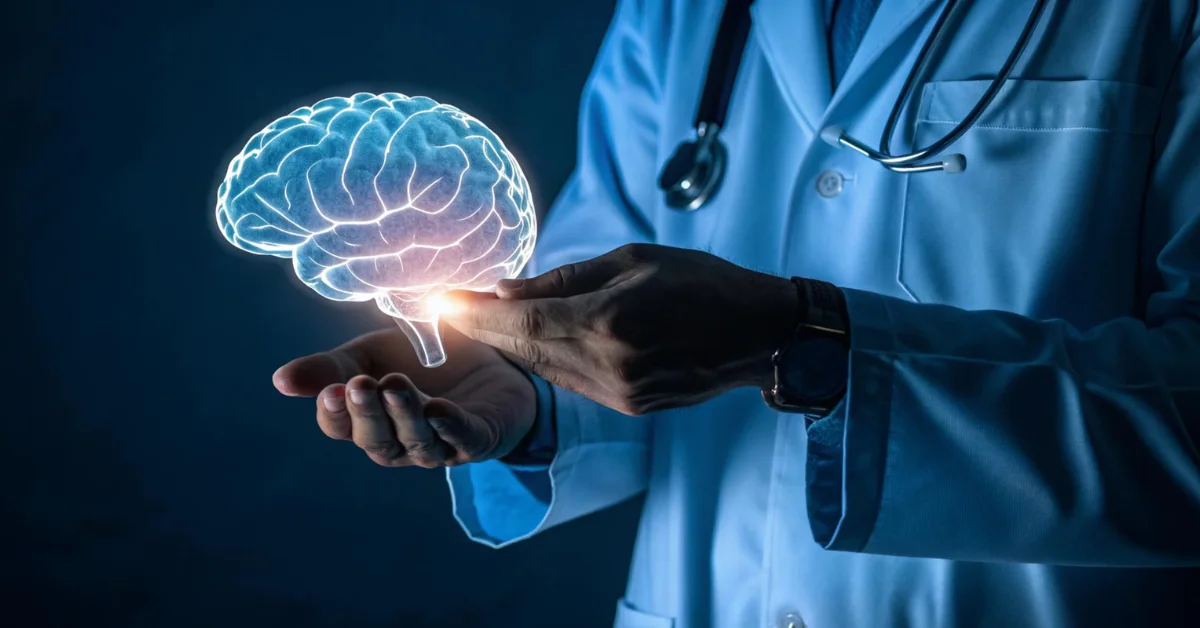
Neurology & Neuro Surgery

Neurology & Neurosurgery focuses on diagnosing and treating disorders of the brain, spine, nerves, surgically and medically.
Neurology & Neuro Surgery

Neurology & Neuro Surgery focus on the most complex and powerful system in the human body—the brain, spine, and nervous system. These systems control movement, sensation, memory, speech, and even breathing. When something goes wrong, symptoms can range from headaches and weakness to seizures, paralysis, or life-threatening emergencies. Early diagnosis and timely intervention are critical. While neurology manages disorders through medication and non-surgical care, neurosurgery addresses conditions requiring surgical precision. With advancements in imaging, minimally invasive techniques, and critical care, modern neurological treatment offers better outcomes, faster recovery, and improved quality of life for patients across all age groups.

Understanding Neurology & Neuro Surgery

  • Neurology: A medical specialty that diagnoses and treats brain, nerve, spinal cord, and muscle disorders using non-surgical methods.
  • Neuro Surgery: A surgical specialty focused on treating neurological conditions that require operative intervention.
  • Integrated Care Approach: Many conditions need both neurologists and neurosurgeons working together for optimal outcomes.
  • Long-Term Management: Neurological disorders often require continuous monitoring, rehabilitation, and follow-up.

Together, these specialties protect the body’s command center.

Conditions Treated in Neurology

  • Stroke & Transient Ischemic Attacks (TIA): Sudden interruption of blood flow to the brain requiring immediate medical attention to prevent permanent damage.
  • Epilepsy & Seizure Disorders: Abnormal electrical brain activity managed through medications and long-term monitoring.
  • Headache & Migraine Disorders: Chronic headaches treated with lifestyle modification and targeted therapies.
  • Movement Disorders: Parkinson’s disease, tremors, and dystonia affecting mobility and coordination.
  • Neuropathy & Nerve Disorders: Tingling, numbness, or weakness caused by diabetes, vitamin deficiency, or nerve damage.

Conditions Treated in Neuro Surgery

  • Brain Tumors: Benign or malignant growths requiring precise surgical removal or biopsy.
  • Spinal Disorders: Disc prolapse, spinal stenosis, and degenerative spine diseases causing pain or weakness.
  • Head & Spine Trauma: Emergency surgical care for accidents and injuries.
  • Hydrocephalus: Excess fluid in the brain requiring shunt placement.
  • Congenital Neurological Conditions: Structural brain or spine abnormalities present from birth.

Surgery is chosen only when benefits clearly outweigh risks.

Advanced Diagnostic Services

  • MRI & CT Scan Imaging: High-resolution imaging to identify brain and spine abnormalities.
  • EEG (Electroencephalography): Measures electrical activity of the brain for seizure diagnosis.
  • EMG & Nerve Conduction Studies: Assess nerve and muscle function accurately.
  • Neurovascular Imaging: Detects aneurysms, blockages, and vascular malformations.
  • Intraoperative Monitoring: Protects critical nerve functions during surgery.Diagnosis drives decisions—accuracy matters.

Treatment Approaches in Neurology

  • Medication-Based Therapy: Tailored drug regimens to control symptoms and slow disease progression.
  • Lifestyle & Risk Factor Management: Blood pressure, sugar control, sleep, and stress management.
  • Neuro-Rehabilitation Referral: Physical, occupational, and speech therapy when required.
  • Preventive Neurology: Stroke prevention strategies and migraine prophylaxis.
  • Continuous Monitoring: Regular assessments to adjust treatment plans.

Neurology focuses on control, stability, and prevention.

Treatment Approaches in Neuro Surgery

  • Minimally Invasive Brain & Spine Surgery: Smaller incisions, reduced pain, and faster recovery.
  • Microsurgical Techniques: High-precision surgery using advanced microscopes.
  • Emergency Neuro Surgery: Life-saving procedures for trauma and brain bleeds.
  • Spinal Stabilization Procedures: Corrects deformities and relieves nerve compression.
  • Post-Surgical Rehabilitation Planning: Ensures safe and effective recovery.Modern neuro surgery is precise—not aggressive.

Why Specialized Neurological Care Matters

  • Brain and nerve damage can become permanent 
  • Delayed treatment worsens recovery chances 
  • Early intervention improves survival and function 
  • Specialized care reduces complications 
  • Rehabilitation restores independence 

When it’s neurological, timing is everything.

Before Care Guidelines (Patient Preparation)

  • Carry previous scans, reports, and prescriptions 
  • Note symptom onset, duration, and triggers 
  • Avoid self-medication for neurological symptoms 
  • Control blood pressure, sugar, and cholesterol 
  • Follow fasting or medication instructions before tests or surgery 

Prepared patients have smoother outcomes.

During Treatment & Hospital Care

  • Continuous neurological monitoring 
  • Clear communication with patients and caregivers 
  • Strict safety and infection-control protocols 
  • Multidisciplinary coordination when needed 
  • Compassionate care for both patient and family 

Neurological care is as much about trust as technology.

After Care & Long-Term Recovery

  • Scheduled follow-ups for neurological assessment 
  • Medication adherence and dose adjustments 
  • Physical, speech, or cognitive rehabilitation 
  • Lifestyle modifications to prevent recurrence 
  • Emotional and psychological support 

Recovery doesn’t end at discharge—it evolves.

Preventive Neurology & Brain Health

  • Manage blood pressure and diabetes 
  • Stay physically and mentally active 
  • Avoid smoking and excessive alcohol 
  • Prioritize sleep and stress control 
  • Seek early care for warning signs 

A healthy brain = a healthier life.

Technology & Expertise in Neurology & Neuro Surgery

  • Advanced neuro-imaging and monitoring systems 
  • Evidence-based treatment protocols 
  • Experienced neurologists and neurosurgeons 
  • ICU-ready neurocritical care 
  • Patient-centric and ethical care approach 

High-tech care, human-first mindset.

Conclusion

Neurology & Neuro Surgery play a vital role in diagnosing, treating, and managing disorders of the brain, spine, and nervous system—organs that define who we are and how we live. From controlling chronic neurological conditions to performing life-saving surgeries, expert care ensures better outcomes, faster recovery, and long-term independence. Early diagnosis, advanced technology, and coordinated care are key to protecting neurological health. With a commitment to safety, precision, and compassion, MAHI Hospitals delivers comprehensive neurology and neuro surgery services designed to restore function, preserve quality of life, and support patients at every stage of their journey.

Frequently Asked Questions

Common questions about Neurology & Neuro Surgery and our services

You should consult a neurologist if you have persistent headaches, seizures, numbness, weakness, dizziness, or memory issues. Early evaluation prevents permanent neurological damage.

No. Most neurological conditions are managed medically. Surgery is required only when there is structural damage, progressive nerve injury, or life-threatening complications.

Many can be. Managing blood pressure, diabetes, stress, sleep, and posture—along with early medical care—significantly reduces neurological risk and disease progression.


Related Blogs

No data was found

Need Help With Our Services?

Fill out the form and our patient care coordinators will get back to you within 24 hours to assist with appointments, queries, or any guidance you need.