
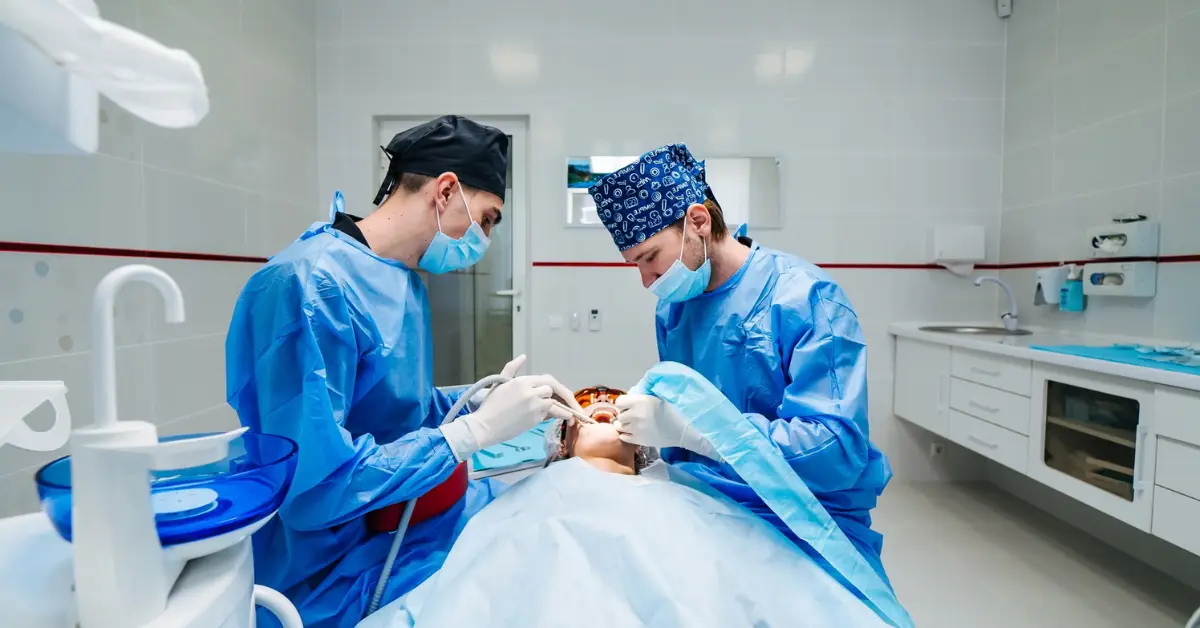
Dental & Oral Surgery

Dental & Oral Surgery is the medical specialty that diagnoses, treats, and surgically manages teeth, gums, and oral cavity disorders.
Dental & Oral Surgery

Dental & Oral Surgery goes far beyond routine tooth care—it focuses on restoring oral health, function, and confidence through advanced surgical and non-surgical treatments. From impacted wisdom teeth to complex jaw surgeries, modern oral care combines precision, safety, and patient comfort. Oral health directly impacts overall well-being, speech, nutrition, and facial structure, making timely dental intervention essential. With evolving technology, minimally invasive procedures, and evidence-based practices, Dental & Oral Surgery today is faster, safer, and more patient-friendly, ensuring long-term results with minimal discomfort and quicker recovery.

What is Dental & Oral Surgery?

Dental & Oral Surgery is a specialised branch of dentistry that treats diseases, injuries, and defects of the teeth, gums, jaw, and facial structures.

Core areas explained:

  • Surgical Tooth Management: Handles impacted, damaged, or non-restorable teeth.

  • Jaw & Facial Procedures: Treats jaw alignment, fractures, and deformities.

  • Soft Tissue Surgery: Manages gum disease and oral lesions.

  • Reconstructive Care: Restores function after trauma or disease.

Pain & Infection Control: Addresses dental infections and oral abscesses.

Common Conditions Treated

Oral conditions can progress silently if untreated.

Conditions managed include:

  • Impacted Wisdom Teeth: Teeth trapped beneath gums causing pain and infection.

  • Severe Tooth Decay: Advanced decay requiring surgical removal.

  • Gum Disease (Periodontitis): Infection affecting gums and bone.

  • Jaw Cysts & Tumours: Abnormal growths requiring surgical care.

  • Facial Trauma: Injuries to jawbones and oral structures.

  • Oral Infections: Abscesses that can spread if ignored.

Advanced Dental & Oral Surgical Procedures

Modern techniques prioritise precision and patient comfort.

Key procedures explained:

  • Wisdom Tooth Removal: Safe extraction of impacted third molars.

  • Dental Implants: Permanent replacement of missing teeth.

  • Bone Grafting: Strengthens jawbone for implants and stability.

  • Apicoectomy: Removes infected tooth root tips.

  • Oral Biopsy: Diagnoses suspicious oral lesions early.

  • Jaw Surgery (Orthognathic): Corrects bite and facial imbalance.

Dental Implants & Restorative Surgery

Missing teeth affect both function and confidence.

Implant care includes:

  • Single Tooth Implants: Replaces individual missing teeth naturally.

  • Multiple Tooth Implants: Restores chewing efficiency.

  • Full Mouth Rehabilitation: Comprehensive oral restoration.

  • Implant-Supported Dentures: Improves comfort and stability.

  • Long-Term Oral Function: Prevents bone loss and facial collapse.

Gum & Soft Tissue Surgery

Healthy gums are the foundation of oral health.

Gum treatments explained:

  • Gum Flap Surgery: Cleans deep infection pockets.

  • Gum Grafting: Covers exposed tooth roots.

  • Laser Gum Therapy: Minimally invasive infection control.

  • Crown Lengthening: Improves tooth structure for restoration.

  • Soft Tissue Lesion Removal: Prevents disease progression.

Paediatric Dental Surgery

Children require specialised dental surgical care.

Paediatric services include:

  • Early Tooth Extractions: Prevents alignment problems.

  • Management of Impacted Teeth: Guides proper eruption.

  • Treatment of Oral Infections: Protects developing teeth.

  • Congenital Oral Conditions: Corrects birth-related issues.

  • Child-Friendly Care: Reduces fear and anxiety.

Technology Used in Dental & Oral Surgery

Technology improves accuracy, safety, and recovery.

Advanced tools explained:

  • Digital Dental Imaging: Precise diagnosis and planning.

  • 3D CBCT Scans: Detailed bone and nerve assessment.

  • Laser Dentistry: Reduced bleeding and faster healing.

  • Sterile Surgical Suites: Infection-controlled environments.

  • Modern Anaesthesia Techniques: Enhanced patient comfort.

Pain Management & Patient Comfort

Comfort is a priority in oral surgery.

Pain control methods include:

  • Local Anaesthesia: Numbs treatment area effectively.

  • Conscious Sedation: Keeps patients relaxed and calm.

  • Post-Surgical Pain Protocols: Reduces discomfort after procedures.

  • Minimally Invasive Techniques: Limits tissue trauma.

  • Personalised Care Plans: Tailored to patient tolerance.

Before Care – Preparing for Dental & Oral Surgery

Preparation ensures smooth treatment and recovery.

Before surgery, patients should:

  • Share complete medical and medication history.

  • Inform about allergies or bleeding disorders.

  • Follow fasting instructions if sedation is planned.

  • Avoid smoking and alcohol before procedures.

Arrange post-procedure transportation if required.

After Care – Post-Surgical Oral Care

Proper aftercare prevents complications.

After surgery, patients should:

  • Follow prescribed medications and mouth rinses.

  • Avoid hard, spicy, or hot foods initially.

  • Maintain gentle oral hygiene as instructed.

  • Avoid smoking to promote healing.

  • Attend follow-up visits for monitoring.

Importance of Timely Dental & Oral Surgery

Delaying treatment can worsen outcomes.

Why early care matters:

  • Prevents spread of infection.

  • Reduces pain and complications.

  • Preserves jawbone and oral structure.

  • Improves speech and chewing function.

  • Enhances overall quality of life.

Conclusion

Dental & Oral Surgery is essential for maintaining healthy teeth, gums, and jaw function while preventing serious oral complications. With timely diagnosis, advanced surgical techniques, and patient-focused care, even complex dental issues can be treated safely and effectively. From routine extractions to advanced implant and jaw surgeries, comprehensive oral care ensures lasting results and improved confidence. At MAHI Hospitals, the Dental & Oral Surgery department delivers precise, compassionate, and technology-driven care—helping patients restore oral health, function, and smiles for life.

Frequently Asked Questions

Common questions about Dental & Oral Surgery and our services

Most dental and oral surgical procedures are performed under effective local anaesthesia or sedation, making them virtually painless. Mild discomfort after surgery is normal and managed with prescribed medications. Modern minimally invasive techniques significantly reduce pain, swelling, and recovery time, ensuring a comfortable treatment experience for most patients.

Recovery time depends on the type of procedure and individual healing ability. Minor procedures may heal within a few days, while complex surgeries can take a few weeks. Following aftercare instructions, maintaining oral hygiene, and attending follow-ups help speed up recovery and prevent complications.

Yes, dental implants are a safe and reliable solution for missing teeth when placed by experienced specialists. Made from biocompatible materials, implants integrate with the jawbone and can last many years with proper care. Good oral hygiene and regular dental check-ups ensure long-term implant success.


Related Blogs

No data was found

Need Help With Our Services?

Fill out the form and our patient care coordinators will get back to you within 24 hours to assist with appointments, queries, or any guidance you need.