
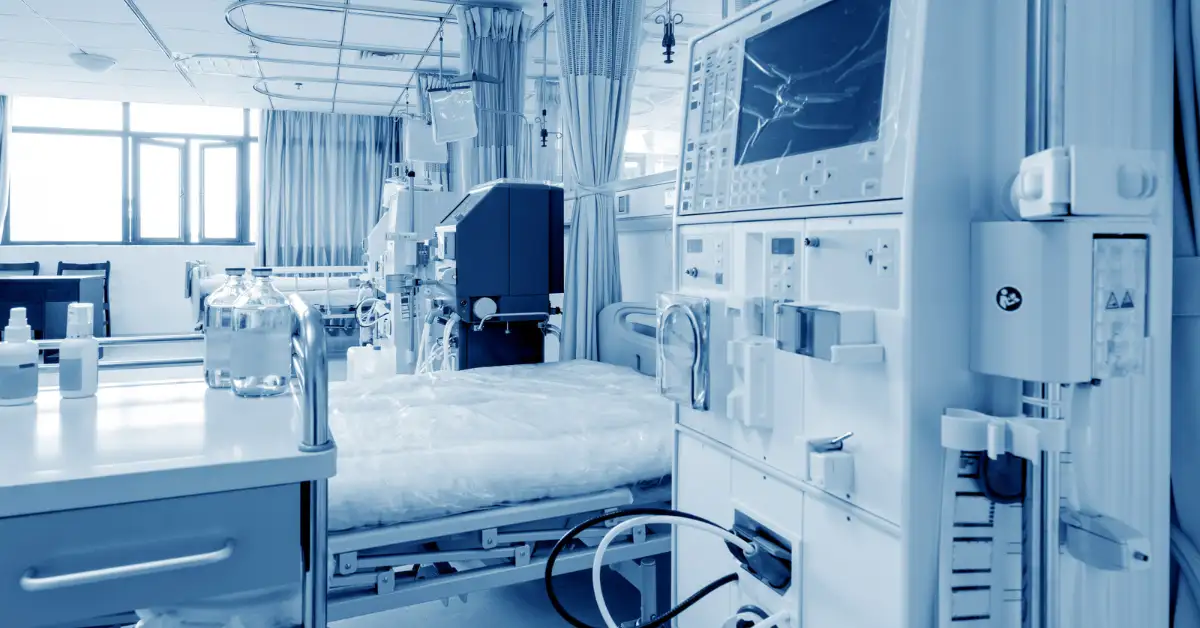
Anaesthesiology and the Intensive Care Unit (ICU) are the silent backbone of modern healthcare. From pain-free surgeries to round-the-clock life support, this department ensures patients stay stable, safe, and closely monitored during critical moments. Anaesthesiologists manage vital functions before, during, and after surgery, while ICU specialists handle complex medical emergencies with precision. Using advanced monitoring systems, evidence-based protocols, and a multidisciplinary approach, Anaesthesiology & ICU care focuses on patient safety, comfort, and recovery. It’s high-stakes medicine where timing, technology, and expertise work together to save lives and restore health.
Anaesthesiology is the medical specialty focused on pain control, sedation, and vital function management during surgical and diagnostic procedures.
Key roles explained:
Different procedures require different anaesthesia techniques, chosen based on patient safety and comfort.
Common types with explanations:
The ICU is designed for patients who need constant monitoring and advanced life support.
What ICU care includes:
Technology is non-negotiable in critical care—it saves time and lives.
Key technologies used:
Infection-Controlled ICU Design: Reduced risk of hospital-acquired infections.
Safety is the top priority in Anaesthesiology and ICU services.
Safety measures explained:
Critical care works best when specialists collaborate.
Team-based care includes:
Preparation improves safety and outcomes.
Before anaesthesia or ICU admission:
Post-procedure care is just as important as treatment.
After anaesthesia or ICU stay:
This department often determines survival and recovery.
Its impact explained:
Anaesthesiology & Intensive Care Unit services are the foundation of advanced hospital care, handling moments when precision truly matters. From safe anaesthesia delivery to continuous ICU monitoring, this department protects patients during surgery, trauma, and life-threatening illness. At MAHI Hospitals, expert anaesthesiologists, intensivists, and critical care teams work together using modern technology and evidence-based protocols to ensure patient safety, comfort, and recovery. It’s not just about treatment—it’s about trust, timing, and delivering care when every second counts.
Anaesthesia is highly safe when administered by qualified anaesthesiologists. Before any procedure, doctors evaluate medical history, medications, and risk factors. Continuous monitoring during surgery ensures early detection of problems. Modern drugs, advanced equipment, and strict safety protocols have significantly reduced complications, making anaesthesia safe for most patients, including the elderly and those with chronic illnesses.
ICU care is required when patients need constant monitoring or life-support systems. This includes severe infections, breathing failure, heart problems, major surgeries, or trauma. The ICU provides advanced equipment, specialised staff, and immediate intervention, ensuring critical conditions are managed safely until the patient stabilises and can be shifted to a regular ward.
ICU stay depends on the patient’s condition, response to treatment, and recovery speed. Some patients may need only 24–48 hours of monitoring, while others require longer support. Doctors review progress daily and shift patients out of ICU as soon as their condition stabilises, ensuring safety without unnecessary prolonged critical care.
Fill out the form and our patient care coordinators will get back to you within 24 hours to assist with appointments, queries, or any guidance you need.