
Orthopedics
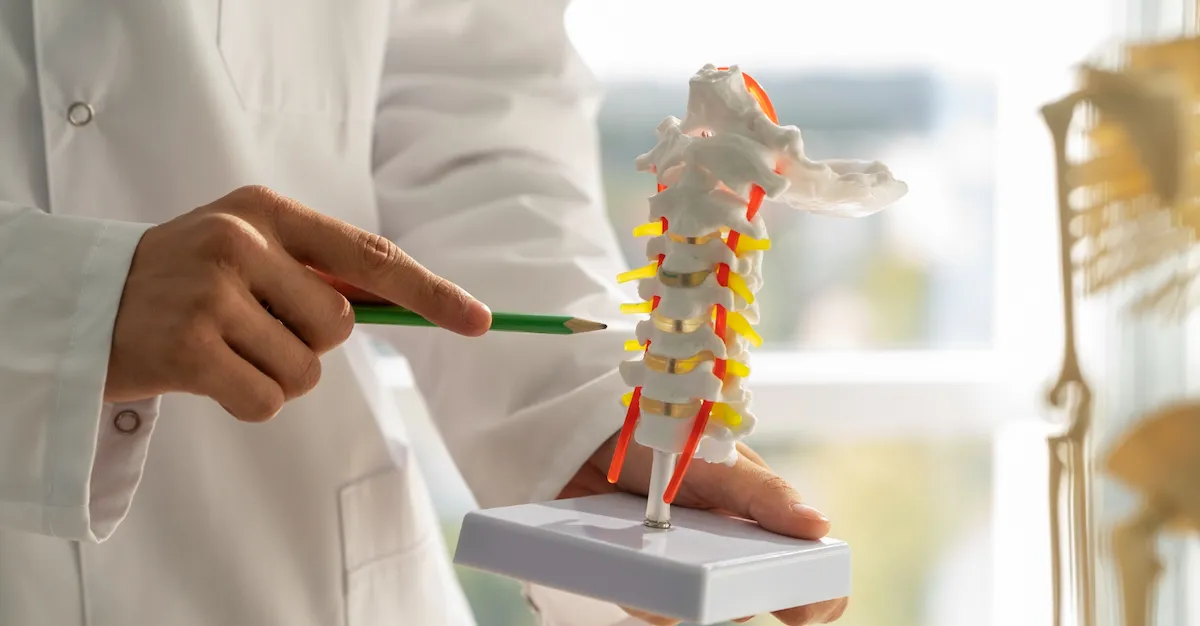
Orthopedics is the medical specialty focused on diagnosing, treating, and preventing conditions affecting bones, joints, muscles, ligaments, tendons, and the spine. Basically, if it helps you move, bend, lift, run, or even sit without pain—orthopedics has your back (literally). From sports injuries and fractures to arthritis and complex joint problems, modern orthopedics blends clinical expertise with advanced technology to restore mobility and improve quality of life. Today’s orthopedic care is no longer just about surgery; it’s about early diagnosis, precision treatment, faster recovery, and long-term joint health—so patients can get back to living, not just healing.
What Orthopedics Covers
- Orthopedics deals with a wide range of musculoskeletal conditions. Each area requires specialized knowledge and tailored treatment plans.
- Bone Disorders: Conditions like fractures, osteoporosis, and bone infections are treated using medical management, casting, or surgical fixation depending on severity.
- Joint Problems: Knee, hip, shoulder, and ankle issues such as arthritis, cartilage damage, and stiffness are managed through medication, physiotherapy, injections, or joint replacement surgery.
- Muscle & Tendon Injuries: Strains, tears, and overuse injuries are common in both athletes and working professionals. Treatment focuses on healing, strengthening, and preventing recurrence.
- Ligament Injuries: ACL, PCL, meniscus, and rotator cuff injuries often require minimally invasive procedures combined with structured rehabilitation.
- Spine Conditions: Back pain, disc prolapse, sciatica, and spinal degeneration are addressed through non-surgical care or advanced spine procedures when required.
Common Orthopedic Conditions
Orthopedic problems can affect all age groups, from children to older adults.
- Arthritis: A leading cause of joint pain and stiffness, especially in knees and hips. Early intervention can delay surgery and preserve joint function.
- Sports Injuries: Includes ligament tears, muscle injuries, and stress fractures caused by physical activity or improper training.
- Fractures & Trauma: Resulting from accidents or falls, these require prompt alignment and stabilization to ensure proper healing.
- Degenerative Joint Diseases: Wear-and-tear conditions that progress over time, often linked with aging or repetitive stress.
- Congenital & Pediatric Conditions: Bone deformities and growth-related issues that need early orthopedic evaluation.
Advanced Diagnostic Approach
Accurate diagnosis is the foundation of effective orthopedic care.
- Clinical Evaluation: Detailed assessment of pain, movement, strength, and joint stability.
- Imaging Techniques: X-rays, MRI, CT scans, and ultrasound help identify internal damage with precision.
- Functional Analysis: Gait analysis and movement studies to understand biomechanical issues.
Treatment Options in Orthopedics
Modern orthopedics emphasizes personalized, evidence-based care.
- Non-Surgical Management: Includes medications, physiotherapy, lifestyle modification, braces, and injections to control pain and inflammation.
- Minimally Invasive Procedures: Arthroscopy allows surgeons to repair joints through small incisions, reducing pain and recovery time.
- Joint Replacement Surgery: Advanced techniques restore mobility in severely damaged joints with high success rates.
- Fracture Fixation: Use of plates, screws, or rods to stabilize broken bones and promote natural healing.
- Rehabilitation & Physiotherapy
Structured rehab programs are essential to regain strength, flexibility, and confidence in movement.
Why Early Orthopedic Care Matters
Ignoring joint or bone pain is not a flex—it’s a fast track to chronic problems.
- Prevents long-term disability and joint damage
- Reduces need for major surgery
- Improves recovery outcomes
- Enhances overall mobility and quality of life
Before Care (Preparing for Orthopedic Treatment)
Proper preparation improves outcomes and reduces complications.
- Medical Evaluation: Share full medical history, medications, and prior injuries with your orthopedic specialist.
- Lifestyle Adjustments: Maintaining healthy weight and quitting smoking support better healing.
- Pre-Treatment Physiotherapy: Strengthening surrounding muscles can speed up post-treatment recovery.
- Mental Readiness: Understanding the procedure and recovery timeline reduces anxiety and sets realistic expectations.
After Care (Recovery & Long-Term Joint Health)
Post-treatment care is just as important as the procedure itself.
- Physiotherapy & Exercises: Regular rehab restores strength, flexibility, and joint function.
- Pain & Wound Management: Proper medication use and wound care prevent complications.
- Activity Modification: Gradual return to daily activities while avoiding strain on healing joints.
- Follow-Up Visits: Regular check-ups ensure proper recovery and early detection of issues.
Lifestyle Tips for Strong Bones & Joints
Think long-term, not quick fixes.
- Stay physically active with low-impact exercises
- Maintain a calcium- and vitamin D–rich diet
- Use correct posture and ergonomics
- Avoid repetitive stress without adequate rest
Conclusion
Orthopedics is not just about fixing broken bones—it’s about restoring movement, confidence, and independence. With advancements in diagnostics, minimally invasive techniques, and rehabilitation, patients today experience faster recovery and better outcomes than ever before. Whether it’s joint pain, sports injuries, fractures, or spine problems, timely orthopedic care makes a real difference. At MAHI Hospitals, orthopedic care is delivered with a patient-first approach, combining expertise, technology, and compassionate support to help individuals move better, live stronger, and return to life without limits.
Frequently Asked Questions
You should consult an orthopedic specialist if pain lasts more than a few days, limits movement, or keeps coming back. Early evaluation prevents complications and reduces the need for invasive treatments later.
No. Most orthopedic conditions improve with non-surgical treatments like physiotherapy, medications, and lifestyle changes. Surgery is considered only when conservative options fail or mobility is severely affected.
Recovery time depends on the condition and treatment type. Minor injuries may heal in weeks, while chronic or post-surgical cases may need structured rehab over months for full functional recovery.
Related Blogs
Need Help With Our Services?
Fill out the form and our patient care coordinators will get back to you within 24 hours to assist with appointments, queries, or any guidance you need.