
Dermatology
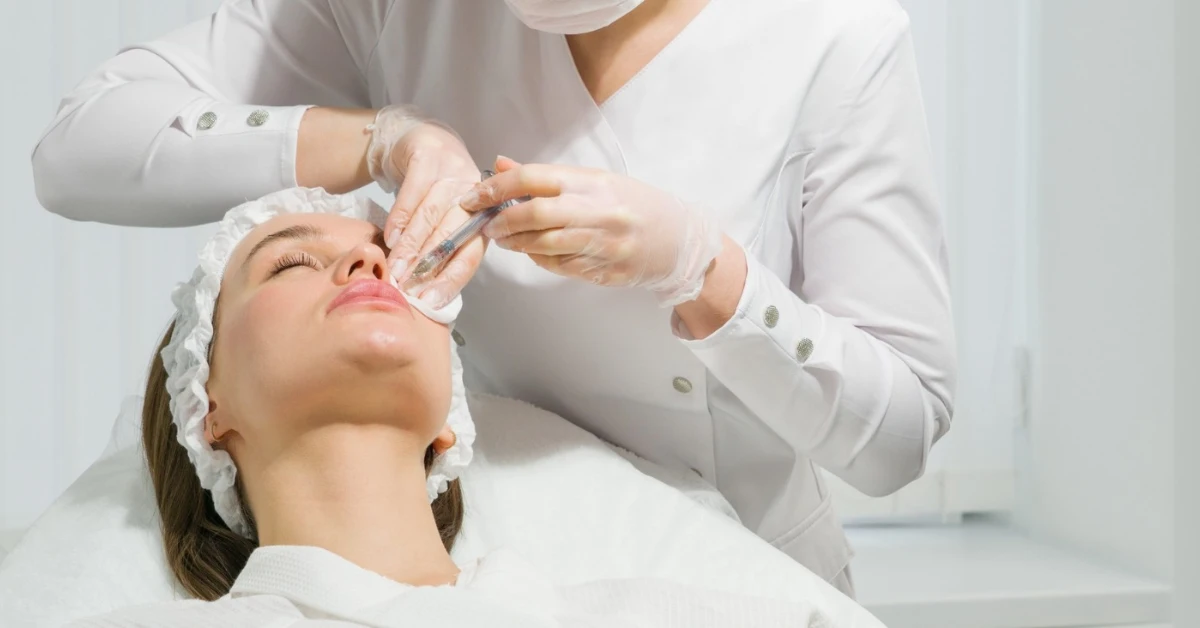
Dermatology is the medical specialty dedicated to the health of your skin, hair, and nails—basically the things everyone notices first. From acne and pigmentation to hair fall, allergies, infections, and chronic skin diseases, dermatology goes way beyond “just cosmetics.” Your skin is your body’s largest organ, and when something’s off, it often signals deeper health issues. Modern dermatology combines medical expertise with advanced technology to diagnose problems early, treat them effectively, and prevent long-term damage. The goal is clear skin, healthy hair, strong nails, and confidence that shows—without gimmicks or guesswork.
What Dermatology Covers
Dermatology addresses a wide spectrum of medical and aesthetic concerns. Each condition needs a personalized, evidence-based approach.
- Skin Conditions: Includes acne, eczema, psoriasis, vitiligo, fungal infections, and allergic rashes. Treatments focus on controlling symptoms, preventing flare-ups, and restoring skin health.
- Hair & Scalp Disorders: Hair fall, dandruff, alopecia, and scalp infections are managed through medical therapy, lifestyle correction, and targeted procedures.
- Nail Disorders: Brittle nails, fungal nail infections, discoloration, and nail deformities require proper diagnosis and long-term care.
- Pigmentation Issues: Melasma, tanning, dark spots, and uneven skin tone are treated with customized skincare plans and advanced dermatological procedures.
- Skin Infections: Bacterial, viral, and fungal infections are managed using accurate diagnosis and condition-specific medications.
Common Dermatology Problems
Skin issues can affect any age group and often worsen when ignored.
- Acne & Acne Scars: One of the most common concerns among teenagers and adults, often linked to hormones, stress, and lifestyle.
- Allergic Skin Conditions: Triggered by food, environment, cosmetics, or medications, causing itching, redness, and rashes.
- Chronic Skin Diseases: Conditions like psoriasis and eczema require long-term management rather than quick fixes.
- Hair Loss: Can be due to genetics, stress, nutritional deficiencies, or hormonal imbalance.
- Aging Skin: Wrinkles, fine lines, and loss of elasticity caused by age, sun exposure, and lifestyle factors.
Advanced Dermatology Diagnosis
Getting the diagnosis right is half the treatment done.
- Clinical Skin Examination: Detailed evaluation of skin type, lesion pattern, and symptom history.
- Dermatoscopy: Advanced magnification techniques to assess skin lesions and pigmentation accurately.
- Laboratory Tests: Blood tests or skin scrapings to identify infections, allergies, or hormonal causes.
- Biopsy (If Required): Used for suspicious lesions to rule out serious conditions like skin cancer.
Dermatology Treatment Options
Modern dermatology is personalized, precise, and science-backed.
- Medical Management: Prescription creams, oral medications, and medicated shampoos tailored to the condition.
- Procedural Dermatology: Chemical peels, laser treatments, microneedling, and scar treatments for better skin texture and tone.
- Hair Restoration Therapies: Medical treatments, PRP therapy, and scalp procedures to control hair loss and promote regrowth.
- Cosmetic Dermatology: Focuses on improving appearance while maintaining skin health—no overdone results.
- Preventive Skin Care: Early intervention to prevent progression, scarring, and pigmentation issues.
Why Early Dermatology Care Matters
Waiting it out is not a skincare strategy.
- Prevents chronic skin damage
- Reduces scarring and pigmentation
- Improves treatment success rates
- Boosts confidence and quality of life
Before Care (Preparing for Dermatology Treatment)
Preparation helps dermatology treatments work better and safer.
- Detailed Skin History: Inform your dermatologist about past treatments, allergies, and current skincare products.
- Avoid Self-Medication: Over-the-counter creams and steroid misuse can worsen skin conditions.
- Lifestyle Review: Diet, stress, sleep, and sun exposure directly impact skin health.
- Patch Testing (If Advised): Helps rule out allergic reactions before starting new treatments.
After Care (Post-Treatment Skin Management)
Aftercare decides how good your results will be.
- Strict Medication Adherence: Follow prescribed creams and oral medications exactly as advised.
- Sun Protection: Daily sunscreen use prevents pigmentation and protects healing skin.
- Gentle Skincare Routine: Avoid harsh products and stick to dermatologist-recommended cleansers and moisturizers.
- Follow-Up Visits: Regular reviews ensure progress and allow treatment adjustments.
Lifestyle Tips for Healthy Skin & Hair
Skin health is built daily, not overnight.
- Stay hydrated and eat a balanced diet
- Manage stress and get quality sleep
- Avoid smoking and excessive alcohol
- Maintain a simple, consistent skincare routine
Conclusion
Dermatology is a blend of medical science, preventive care, and aesthetic balance. Healthy skin and hair are not about shortcuts or viral hacks—they’re about correct diagnosis, expert treatment, and long-term care. With modern dermatology, most skin, hair, and nail conditions can be effectively managed or completely resolved when addressed early. At MAHI Hospitals, dermatology care is patient-focused, evidence-based, and designed to deliver visible results safely—helping you feel confident in your skin every single day.
Frequently Asked Questions
You should see a dermatologist if skin or hair problems persist beyond two weeks, worsen, or keep recurring. Early consultation prevents complications, long-term damage, and misuse of over-the-counter products.
Yes, when prescribed correctly. Dermatology treatments are safe if used under medical supervision. Self-medication or prolonged steroid use without guidance can cause side effects, which is why professional care matters.
Results vary based on the condition. Acne and infections may improve within weeks, while pigmentation or hair issues may need consistent treatment over a few months for visible, lasting improvement.
Related Blogs
Need Help With Our Services?
Fill out the form and our patient care coordinators will get back to you within 24 hours to assist with appointments, queries, or any guidance you need.