
ENT

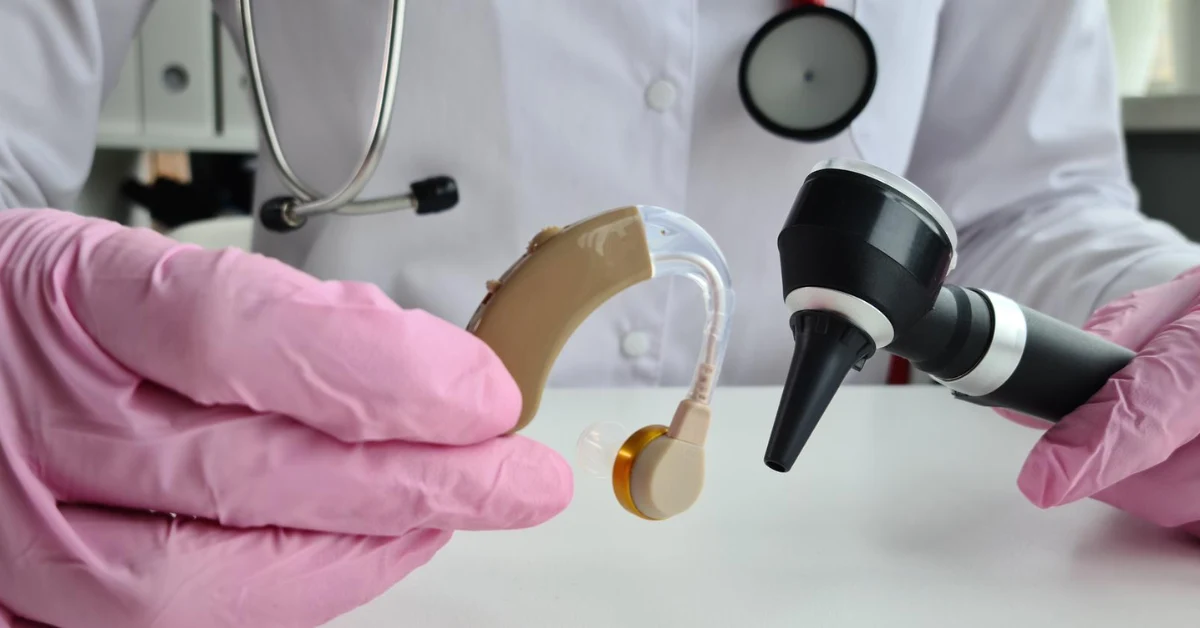
ENT is the medical specialty treating ear, nose, throat disorders, including hearing, sinus, voice, balance problems.
ENT

ENT (Ear, Nose & Throat), also known as Otorhinolaryngology, focuses on diagnosing and treating conditions affecting hearing, breathing, speech, balance, smell, and swallowing. These functions are essential to everyday life, yet ENT issues are often ignored until they start disrupting sleep, communication, or work productivity. From recurring sinus infections and throat pain to hearing loss and voice problems, ENT care today is advanced, precise, and patient-focused. Modern ENT treatment emphasizes early diagnosis, minimally invasive procedures, and long-term symptom control—so patients don’t just manage discomfort, they regain quality of life.

What ENT Covers

ENT care spans a wide range of conditions across all age groups, from children to older adults.

  • Ear Disorders: Conditions affecting hearing and balance, including ear infections, wax buildup, tinnitus, and vertigo. Early care prevents permanent hearing damage.
  • Nose & Sinus Conditions: Problems like sinusitis, nasal blockage, allergies, and deviated nasal septum that affect breathing and sleep quality.
  • Throat Disorders: Infections, voice issues, swallowing difficulties, and chronic sore throat requiring accurate diagnosis and targeted treatment.
  • Head & Neck Conditions: Lumps, thyroid-related ENT issues, and salivary gland disorders that need expert evaluation.
  • ENT Problems in Children: Tonsillitis, adenoid enlargement, ear infections, and speech-related issues common in pediatric age groups.

Common ENT Conditions

ENT problems often seem minor but can become chronic if untreated.

  • Sinusitis: Inflammation of sinus cavities causing facial pain, nasal blockage, and headaches.
  • Hearing Loss: Can be age-related, infection-related, or noise-induced, affecting communication and social life.
  • Tonsillitis & Throat Infections: Recurrent infections causing pain, fever, and difficulty swallowing.
  • Allergic Rhinitis: Persistent sneezing, nasal congestion, and runny nose triggered by allergens.
  • Vertigo & Balance Disorders: Inner ear problems causing dizziness and imbalance.

Advanced Diagnostic Approach in ENT

Accurate diagnosis ensures effective and lasting treatment.

  • Clinical ENT Examination: Detailed evaluation of ears, nasal passages, throat, and neck.
  • Endoscopic Examination: Nasal and throat endoscopy for clear visualization of internal structures.
  • Audiology Testing: Hearing assessments to detect hearing loss early and accurately.
  • Imaging Studies: CT scans and X-rays to evaluate sinus and ear structures.
  • Voice & Swallowing Assessment: Specialized tests for speech and swallowing disorders.

ENT Treatment Options

ENT treatment is personalized, evidence-based, and often minimally invasive.

  • Medical Management: Antibiotics, anti-allergy medications, nasal sprays, and ear drops tailored to the condition.
  • Minimally Invasive ENT Procedures: Endoscopic sinus surgery and other procedures with faster recovery and minimal discomfort.
  • Hearing Rehabilitation: Medical treatment, hearing aids, or surgical options depending on hearing loss type.
  • Voice & Speech Therapy Support: For voice strain, nodules, and speech-related disorders.
  • Surgical ENT Care: Tonsillectomy, adenoidectomy, septoplasty, and other surgeries when required. 

Why Early ENT Care Matters

Ignoring ENT symptoms can affect daily functioning.

  • Prevents hearing and voice damage 
  • Reduces chronic infections 
  • Improves sleep and breathing 
  • Enhances communication and confidence 

Early care = fewer complications.

Before Care (Preparing for ENT Treatment)

Preparation helps improve treatment outcomes.

  • Symptom Documentation: Note duration, triggers, and severity of ENT symptoms.
  • Medical History Disclosure: Inform the ENT specialist about allergies, medications, and past infections.
  • Lifestyle Review: Smoking, pollution exposure, and vocal strain impact ENT health.
  • Diagnostic Readiness: Follow instructions for tests like hearing exams or endoscopy.

After Care (Recovery & Long-Term ENT Health)

Aftercare ensures symptom control and prevents recurrence.

  • Medication Compliance: Completing prescribed treatments prevents relapse.
  • Nasal & Ear Hygiene: Proper care reduces infection and inflammation risk.
  • Voice Rest & Therapy: Essential after voice-related treatments or surgeries.
  • Follow-Up Visits: Monitoring recovery and adjusting treatment as needed.

Lifestyle Tips for Better ENT Health

Small habits protect essential senses.

  • Avoid smoking and secondhand smoke 
  • Use protective gear in noisy environments 
  • Stay hydrated and maintain nasal hygiene 
  • Manage allergies proactively 
  • Avoid overuse of earphones 
  • Your senses deserve daily care.

ENT Care for Children

Children need special ENT attention due to developing anatomy.

  • Early treatment prevents speech and learning issues 
  • Reduces recurrent infections and sleep disturbances 
  • Supports healthy hearing and breathing 
  • Timely care shapes long-term health.

Conclusion

ENT health directly affects communication, breathing, balance, and overall comfort—making it a vital part of daily well-being. From simple infections to complex hearing and sinus conditions, early and accurate ENT care prevents long-term complications and improves quality of life. With advancements in diagnostics and minimally invasive procedures, ENT treatment today is safer and more effective than ever. At MAHI Hospitals, ENT care is delivered with precision, compassion, and patient-focused expertise—helping individuals breathe better, hear clearer, and live more comfortably every day.

Frequently Asked Questions

Common questions about ENT and our services

You should see an ENT specialist if symptoms like nasal blockage, throat pain, ear discomfort, or hearing issues las

No. Repeated throat infections may indicate allergies, chronic tonsillitis, or immune issues. Proper evaluation helps identify the cause and prevent recurrence.

Yes. Allergy control, nasal hygiene, avoiding smoking, proper hydration, and early treatment of infections significantly reduce the risk of chronic ENT conditions.

Related Blogs

No data was found

Need Help With Our Services?

Fill out the form and our patient care coordinators will get back to you within 24 hours to assist with appointments, queries, or any guidance you need.